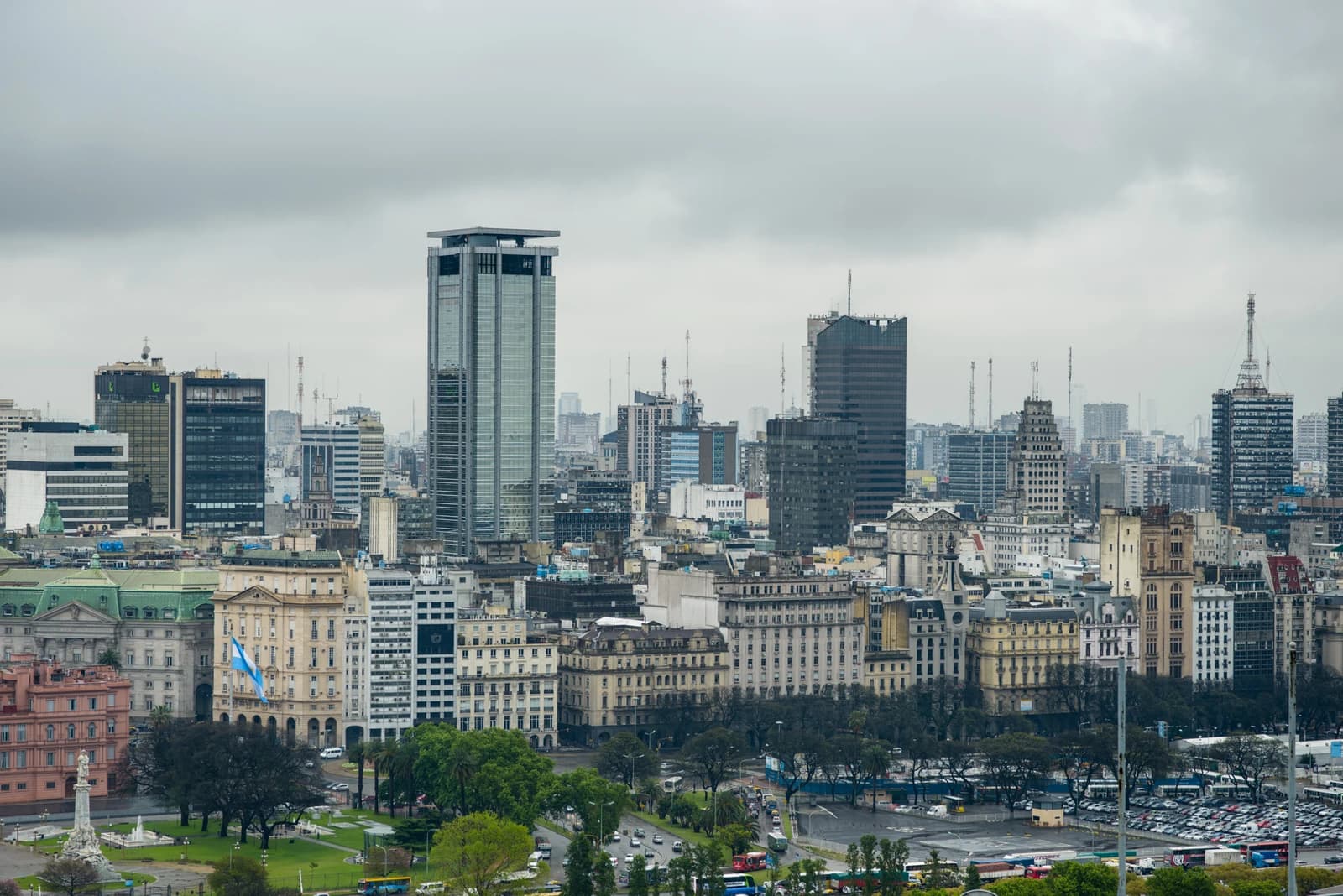
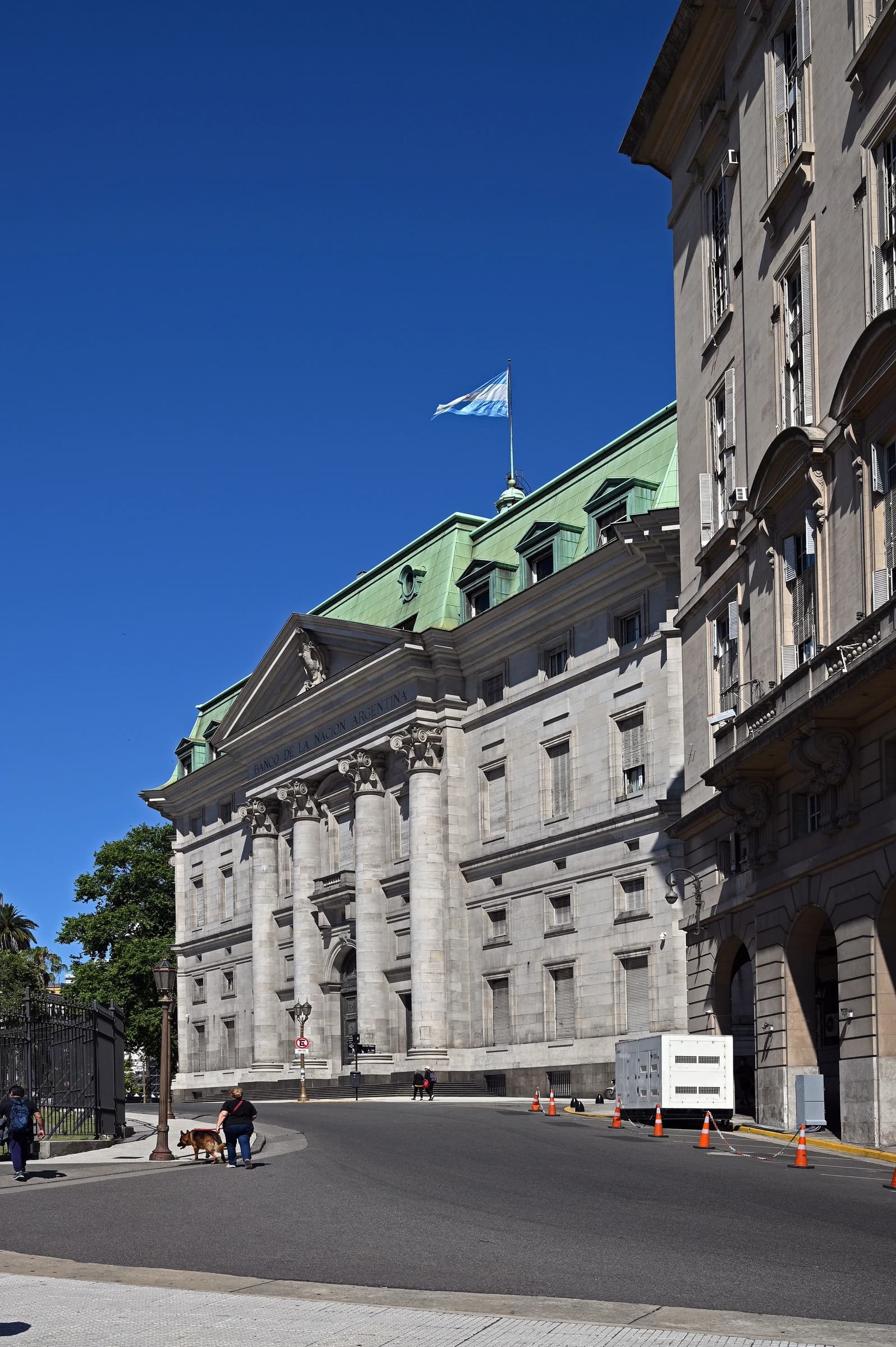
Argentina’s bid to revive New York listings has run into the same problem that has lately battered its economy and markets: falling asset prices are making it too expensive for sellers to go public.
Argentina IPO Revival Delayed by Falling Asset Prices

Two of the country’s best-known energy groups, Genneia SA and YPF Luz, have put US initial public offerings on hold, underscoring how a sharp sell-off in Argentine stocks and bonds has chilled equity capital formation even as the energy sector continues to attract foreign money.
Sentiment Indicators
The retreat matters because Argentina had been hoping that a stronger energy story — especially shale, renewables and power infrastructure — would reopen a long-shuttered equity pipeline. Instead, the market rout has pushed valuations lower just as companies would have to sell stakes, turning potential listings into a poor trade-off for existing shareholders.
Genneia, a renewable-energy producer, has delayed its New York offering until at least 2027, according to people familiar with the matter, after the slump in Argentine assets hit its prospective valuation. YPF Luz’s planned IPO was effectively shelved after its controlling shareholder agreed to buy out a minority investor whose exit had been a major reason for the deal.
The timing is poor. Argentina’s S&P Merval has fallen almost 30% in dollar terms from its June peak, while sovereign bonds rank among the worst performers in emerging markets since September. Investors have also become more cautious ahead of President Javier Milei’s re-election campaign next year, as the country heads toward what may be another volatile political cycle.
For issuers, the message is straightforward: the public market is not offering acceptable prices. “At these multiples, companies would be selling too cheaply for a normalised Argentina scenario,” Balanz research director Ezequiel Fernández said, adding that unless share prices rebound, firms are likely to wait for 2027.
That wait has already become familiar. Argentina has not had a US equity debut since Vista Energy’s listing in 2019, after earlier offerings by Corp America Airports and Central Puerto in 2018. The latest delays suggest the window remains closed despite the country’s energy sector being one of the few parts of the economy still drawing capital.
The split is sharp. Energy companies have raised billions through international bond markets to fund expansion, and Genneia is still planning a green bond sale this week. But debt financing is not the same as equity issuance: bond buyers can be more forgiving when growth is strong, while stock investors demand a valuation cushion that Argentina’s recent price action has erased.
Genneia had advanced far enough to file with US regulators in July for a listing in New York and Buenos Aires and lined up Morgan Stanley and BTG Pactual as global coordinators. The company has benefited from energy storage contracts, a stake in the country’s biggest electricity-line company and a 17% jump in second-quarter Ebitda as new solar assets came online. In a healthier market, those metrics might have supported a listing. In the current one, they are not enough to offset country risk.
YPF Luz’s case was different but ends in the same place. The IPO was conceived partly as an exit route for a GE spin-off shareholder that owned about 25% of the business. Once YPF SA agreed to pay $430 million for that stake, the need for a public sale largely disappeared. The company could still revisit the idea later, but near-term prospects are dim.
Broader market conditions are doing the rest of the damage. Higher US Treasury yields earlier this year, a global risk-off turn and persistent concern over Argentina’s policy outlook have combined to depress demand for local assets. Even as US yields have eased from recent highs, Argentine equities have failed to recover, suggesting the problem is now as much about confidence as about rates.
| Entity | Gains | Losses |
|---|---|---|
| Genneia SA | ▲Avoids discounted listing | ▼Loses IPO timing |
| YPF Luz | ▲Secures private exit for seller | ▼Loses public-market debut |
| Argentine equity investors | ▲Wait for lower country risk | ▼Miss new listings |
| Argentine energy sector | ▲Keeps debt market access | ▼Equity financing stays shut |