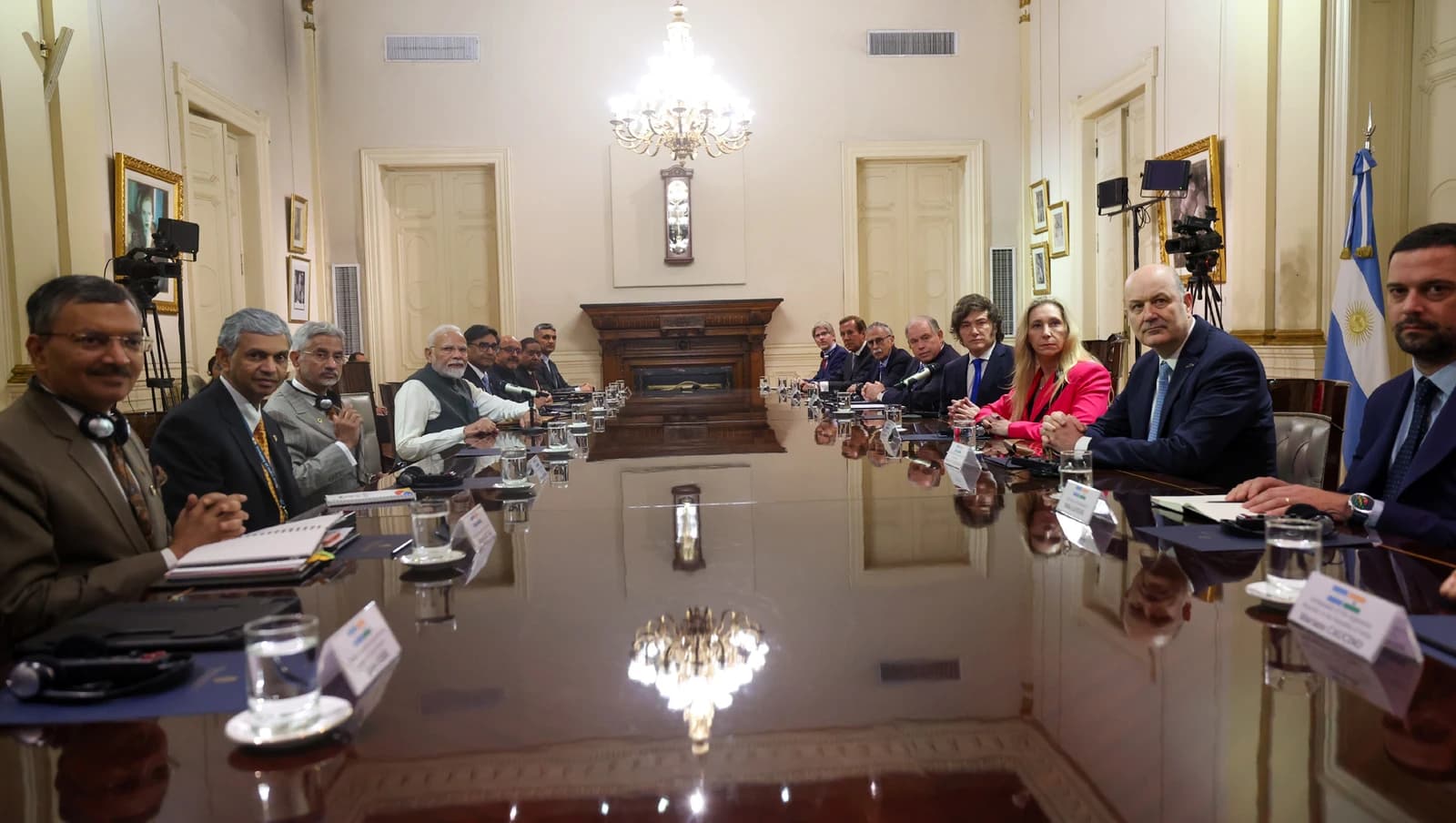
Argentina’s recovery is losing momentum, with weak domestic spending, factory closures and uneven sector performance raising the odds that the economy is sliding into a moderate recession even as inflation cools and macro stability improves.
Argentina recovery slows as consumption weakens
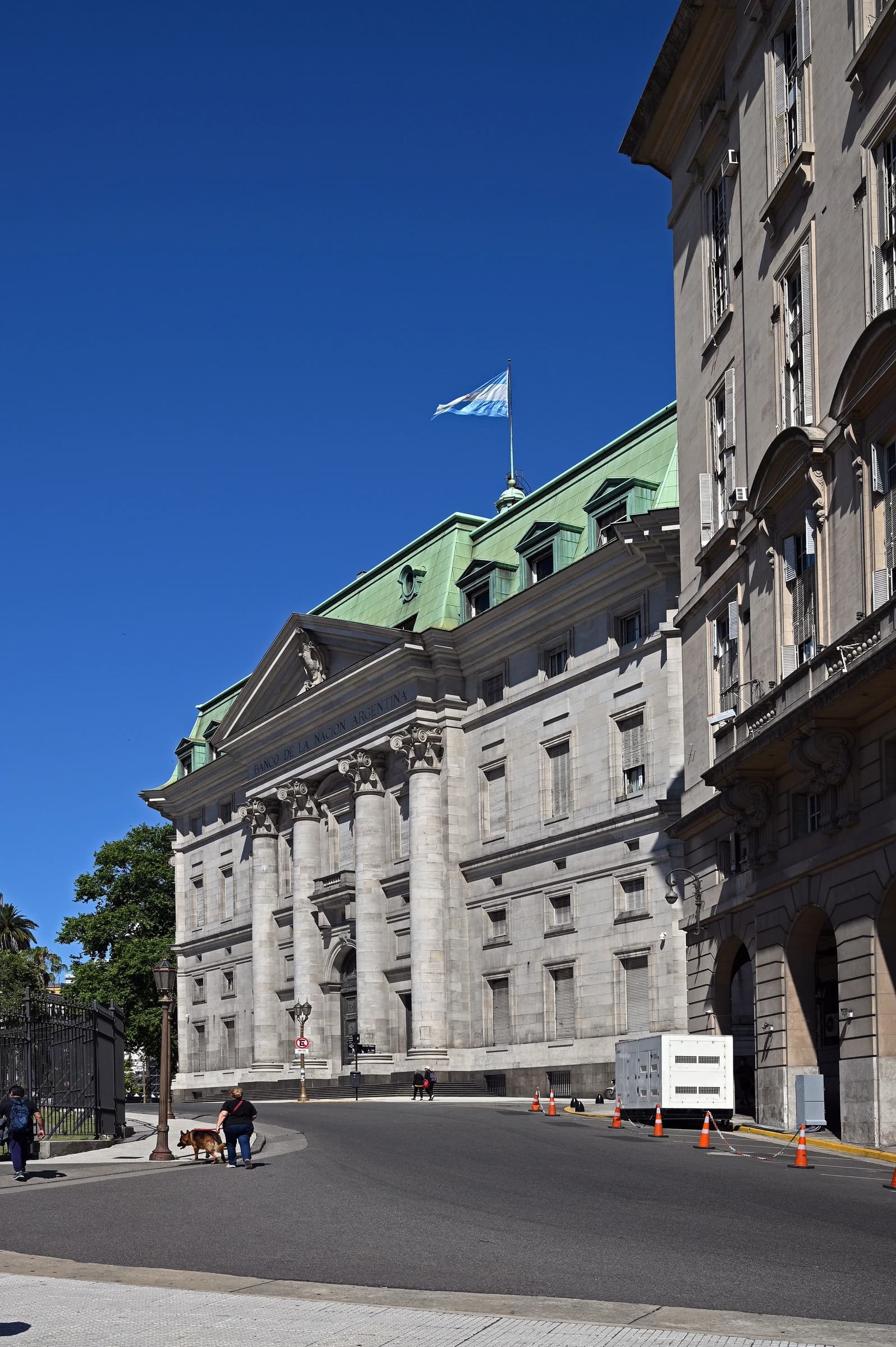
That mismatch between lower prices and weaker activity is now the central issue for investors and policymakers. Reuters reported consumption fell 2.7% in the first nine months of 2026 from a year earlier, a sign that households are still pulling back on purchases of essentials and durable goods despite the government’s success in slowing inflation. For an economy heavily reliant on internal demand, the drop in spending is a direct drag on sales, production and employment.
Sentiment Indicators
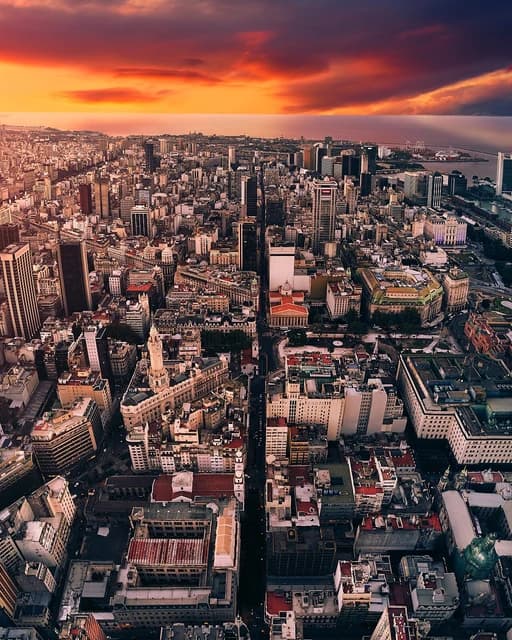
The strain is showing up most clearly in industry, commerce and construction, where firms are facing softer demand, import competition and idle capacity. Reuters said about 32,300 companies have closed since December 2023, underscoring the depth of the adjustment. While those exits cannot all be traced to one cause, they point to a tougher operating environment for smaller businesses and manufacturers that depend on local consumers and credit.
Economists cited by Reuters see a real possibility that Argentina will post a second consecutive quarterly contraction in July-September, which would meet the usual definition of a technical recession. That matters because it would confirm that the economy is not simply cooling from an earlier rebound but is losing broad-based traction.
The story is not uniformly negative. Energy, mining and agriculture continue to offer better prospects because they are tied to exports and investment rather than household spending. Those sectors can bring in foreign currency and support capital formation, but they are not large enough, on their own, to pull the whole economy back onto a firm growth path. In practice, that leaves Argentina with two speedometers: one for export-oriented sectors and another for the domestic economy, which remains under pressure.
For Javier Milei’s government, the challenge is becoming one of transmission. The administration can point to disinflation and a more stable macro backdrop, but that does not automatically restore real wages, pensions or access to credit. Without a visible improvement in purchasing power, the cooling in consumption could persist even if prices remain contained.
Investors will be watching whether the slowdown stays confined to the domestic-demand sectors or starts to spill into the broader economy. That includes corporate earnings, employment trends, bank lending and the next official growth readings. If consumption does not stabilize soon, Argentina’s stabilization story may increasingly look like a macro victory that has yet to reach households and companies on the ground.
| Entity | Gains | Losses |
|---|---|---|
| Exporters in energy, mining and agriculture | ▲Stronger foreign-currency earnings | ▼Limited spillover from domestic weakness |
| Domestic retailers and manufacturers | ▲Lower inflation if it holds | ▼Softer sales and excess capacity |
| Argentine government | ▲Better macro stability narrative | ▼Pressure over slow real-economy recovery |
| Households and small firms | ▲Some relief from slower price rises | ▼Weak purchasing power and demand |