October inflation in Argentina is expected to ease to below 2%, reinforcing a fragile disinflation trend that could shape everything from peso assets to consumer demand heading into year-end.
Argentina inflation seen below 2% in October

Private consultancies are putting the monthly rise in consumer prices at 1.8% to 1.9%, with some estimates reaching 2%, ahead of the official INDEC reading. If the 1.9% consensus proves right, annual inflation would slip to 32.8%, the lowest since April and another sign that price pressures are cooling even if they are not disappearing.
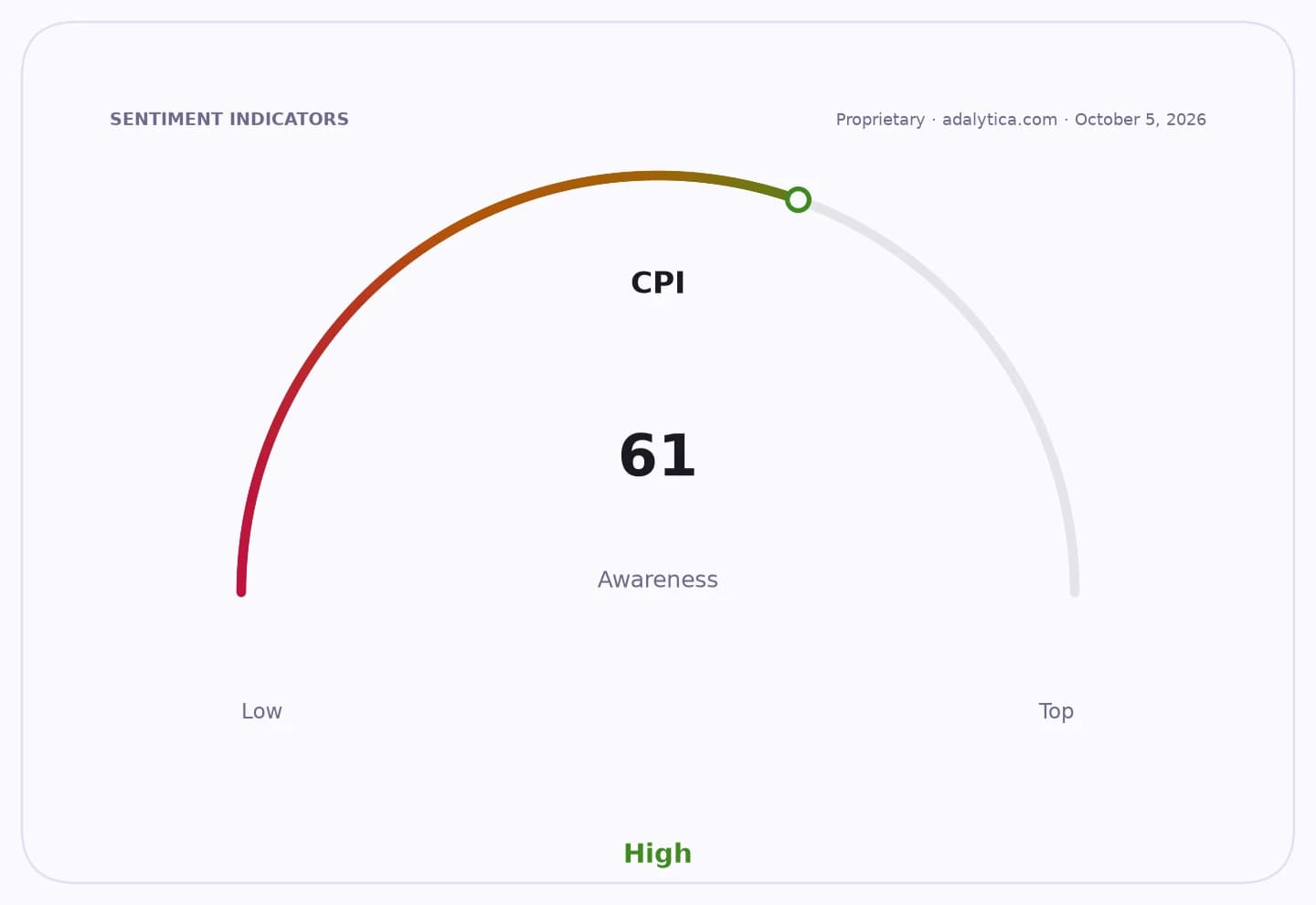
Sentiment Indicators
CPI
That matters because Argentina’s inflation dynamic remains the central macro variable for investors. A print below 2% would strengthen the case that the sharpest phase of monthly price acceleration is behind the economy, even as the composition of the data shows lingering vulnerabilities. Seasonals helped drive October’s reading, with vegetables up 7% and fruit 4% in one private survey, while core inflation still hovered near 1.6% to 1.8% depending on the gauge. In other words, the slowdown is real, but it is being helped by base effects and the absence of September’s tariff shocks rather than by broad-based price stability.
For markets, that distinction is crucial. Softer inflation tends to support the case for lower policy rates, easier financing conditions and a steadier peso, while also improving the earnings outlook for domestic consumer companies that have been squeezed by weak purchasing power. But the next move is not one-way. Transport rose sharply after fuel increases late in September, medicine accelerated, and housing is now emerging as a risk for November, according to private trackers. Those are exactly the categories that can keep inflation sticky and complicate the policy path.
CPI
The market is already leaning into the improvement. In the ETF space, Argentina exposure through EWZ and broader emerging-market exposure via EEM has been volatile, with recent technical damage showing how quickly sentiment can reverse when inflation or policy credibility disappoints. A cleaner inflation trajectory would be supportive for risk assets tied to Latin America, but Argentina itself still needs a sustained sequence of lower prints before investors can confidently price a durable disinflation cycle rather than a temporary pause.
The bigger narrative is that Argentina may be approaching an inflection point where inflation is no longer accelerating, but the economy is not yet out of the woods. If November confirms that food and housing pressures are contained, the disinflation story can gain credibility and unlock a stronger re-rating in local assets. If not, the market will keep treating each softer print as incomplete.
| Entity | Gains | Losses |
|---|---|---|
| Argentine consumers | ▲Slightly stronger real incomes | ▼Still-pressured budgets |
| Local bonds and peso assets | ▲Better policy credibility | ▼Fear of another price flare-up |
| Retailers and domestic demand stocks | ▲Easier pricing environment | ▼Weak spending if inflation stays sticky |
| Housing, transport and medicine | ▲Pricing power persists | ▼Consumers and policymakers |