Argentina’s retirees are set for another November increase under ANSES, but the bigger story is that pension checks are still being indexed to inflation rather than truly escaping it.
Argentina retirees to get November pension increase

That matters because in Argentina, pensions are not just a social-policy line item — they are one of the most sensitive gauges of household purchasing power, fiscal strain and political stability. For retirees, the monthly adjustment mechanism tied to the consumer price index is designed to stop benefits from being eroded by inflation, yet it also means income gains tend to arrive after prices have already moved. In practical terms, the system protects purchasing power only imperfectly, and that leaves millions of pensioners exposed whenever inflation accelerates.
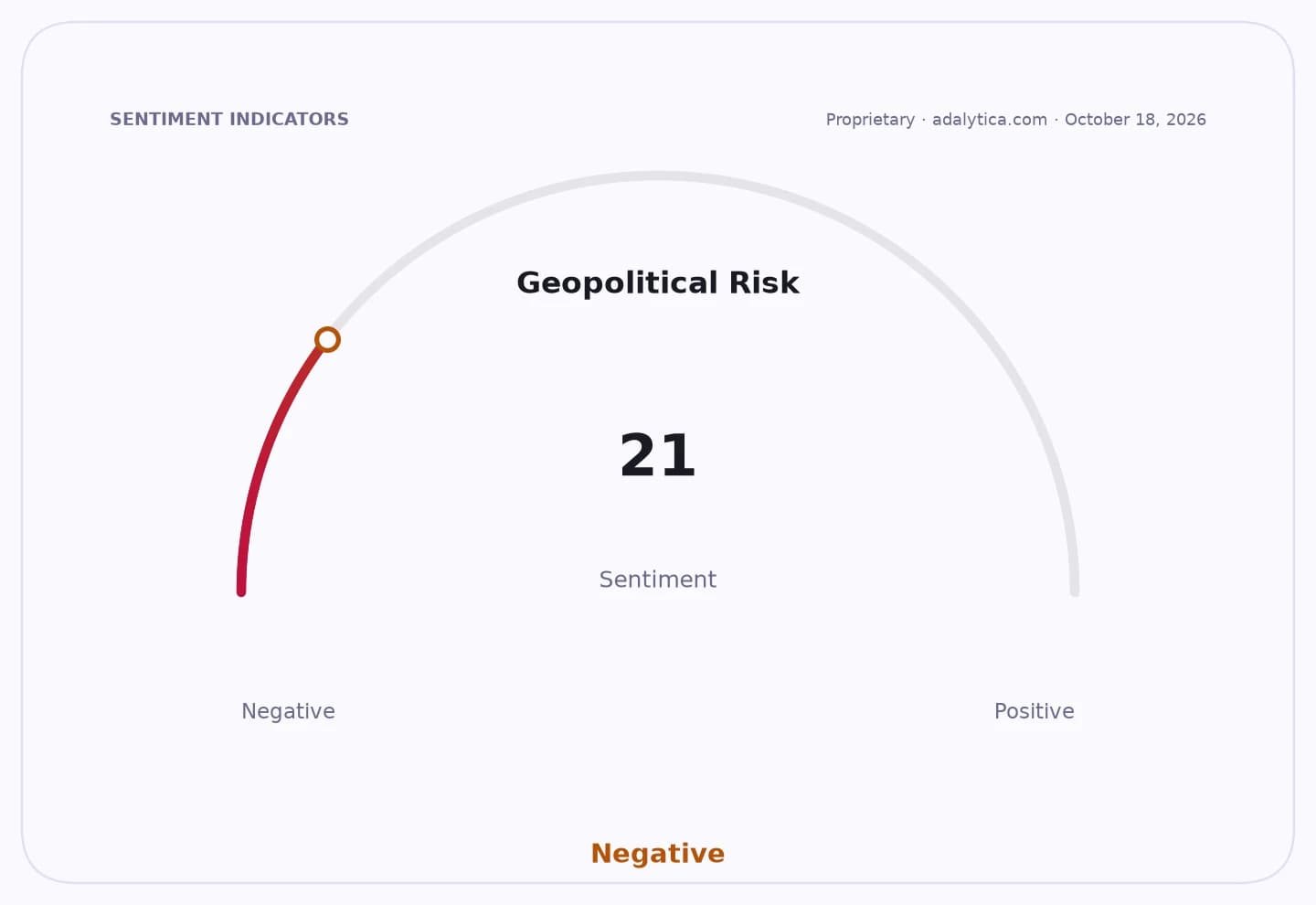
Sentiment Indicators
The update will apply to the Sistema Integrado Previsional Argentino, or SIPA, through ANSES, the state social security agency. The adjustment follows the monthly mobility formula that links benefits to the CPI from two months earlier. That lag is important for investors because it shows how Argentina’s macroeconomic battle still reaches directly into public finances: if inflation stays elevated, pension outlays rise mechanically, but consumer demand remains under pressure because beneficiaries are still chasing prices rather than getting ahead of them.
For equity investors, especially those with exposure to Argentina through funds such as the ARGT ETF, the pension increase is another reminder that the country’s reform story is still centered on stabilization, not growth acceleration. Argentina’s market has already been volatile, with ARGT falling below its 50-day and 200-day moving averages and its RSI sinking into deeply oversold territory in late October, a sign that sentiment has weakened sharply. That kind of price action usually reflects more than a single policy announcement: it points to continuing concern that fiscal repair, inflation control and real-income recovery are not yet firmly in sync.
The broader read-through is straightforward. A pension system indexed to inflation can be politically necessary in a high-inflation economy, but it also locks the state into higher spending whenever prices rise. That is why pension updates matter far beyond retirees themselves: they influence budget math, household consumption and, ultimately, the credibility of the government’s anti-inflation program.
If Milei can keep inflation coming down, these monthly increases should become less disruptive and more predictable. If not, retirees may continue to see nominal gains that fail to translate into real relief. For long-term investors, the key takeaway is that Argentina’s pension policy remains a live test of whether stabilization can finally feed through to everyday incomes — and that remains worth watching.
| Entity | Gains | Losses |
|---|---|---|
| ANSES retirees | ▲Higher nominal benefits | ▼Still lag inflation |
| Argentine government | ▲Social relief, political cover | ▼Higher pension spending |
| Inflation fighters | ▲More credibility if CPI falls | ▼Less progress if prices stay sticky |
| Argentina-linked investors | ▲Clearer policy path if stability holds | ▼More volatility if fiscal pressure rises |