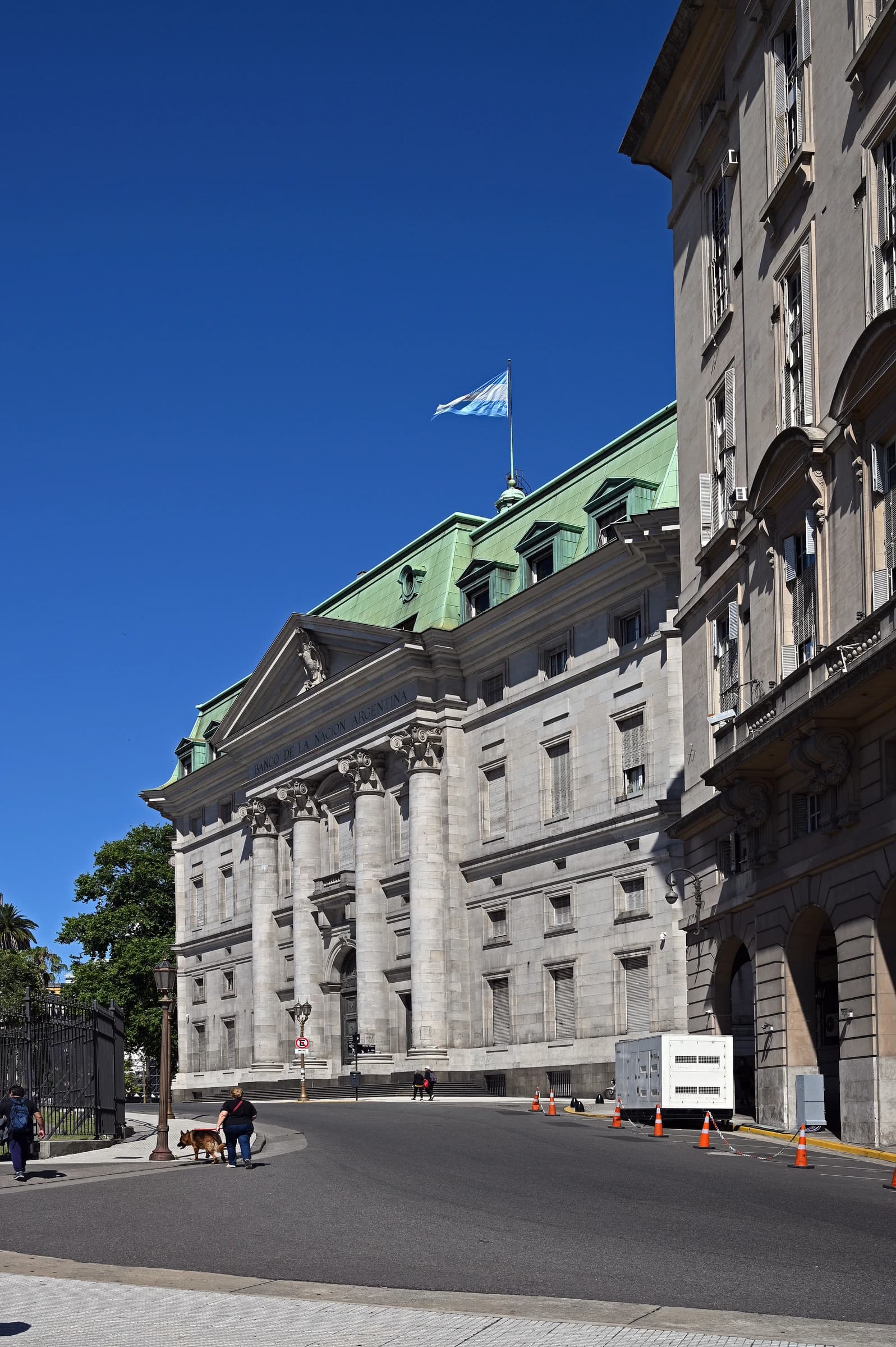
Plunging consumer demand is forcing Argentine merchants to fund day-to-day operations from their own savings or by taking on debt, underscoring a retail downturn that is eroding cash flow, squeezing small businesses and delaying any broad-based recovery in household spending.
Argentina Retailers Burn Savings as Demand Weakens
That was the warning from Daniel Milla, head of the San Juan economic federation, who said weaker purchasing power and slowing sales are leaving many businesses unable to cover fixed costs without tapping reserves or relying on credit. For the economy, the risk is not just lower sales volumes but a widening strain on working capital across the private sector: when firms exhaust savings to stay open, investment, hiring and inventory replenishment are usually the next casualties.
Sentiment Indicators
Milla said he did not yet see every technical condition for a recession, but he described daily commerce as clearly under stress. The distinction matters. Macro data can still point to stabilization, yet local retailers are seeing the opposite in cash registers and balance sheets. That gap between indicators and lived activity often defines late-cycle weakness, when inflation-adjusted incomes lag and households prioritize essentials over discretionary purchases.
The pressure is being amplified by elevated costs, competition from imported goods and international chains, and the growing use of credit cards to cover routine spending. In the short term, financing can cushion consumption; in the medium term, it can deepen household leverage and suppress future demand as borrowers spend more of their income servicing debt. For merchants, especially smaller independents, that creates a double bind: they face thinner margins while competing against larger players with lower prices and stronger purchasing power.
There are signs in broader market data that the weakness is not confined to one province. Consumer-related equity gauges have been volatile, while sentiment around the U.S. consumer and payrolls has weakened even as headline risk appetite improved elsewhere. That split reflects the same underlying tension seen in Argentina: asset prices can recover faster than households. Retail exchange-traded funds such as XRT and consumer-discretionary benchmarks like XLY have recently held above key moving averages, but those technical gains do not change the fundamental question of whether spending can sustain earnings into year-end.
For investors, the story points to continued pressure on domestic retailers, suppliers and lenders exposed to consumer credit. Businesses with strong balance sheets, efficient omnichannel sales or exposure to higher-income customers may fare better than small merchants dependent on walk-in traffic. Imported goods and large chains could keep taking share if local demand stays weak, but that would come at the expense of domestic commerce and employment.
Milla’s more constructive view is that mining investment in San Juan could eventually revive jobs and spending. But he acknowledged that any payoff will be gradual, not immediate, leaving merchants to bridge the gap with savings, debt and hope. That makes the next phase of the recovery less about a quick rebound in demand than about whether household incomes, employment and credit conditions can improve fast enough to prevent more businesses from being worn down first.
| Entity | Gains | Losses |
|---|---|---|
| Large chains/importers | ▲Gain market share | ▼Face weaker local backlash |
| Small merchants | ▲Preserve operations short term | ▼Burn savings, take on debt |
| Consumers using credit | ▲Keep spending for now | ▼Build heavier debt burden |
| Local economy | ▲Potential future mining boost | ▼Immediate retail contraction |