The CGT stepped back onto the streets on Thursday to turn Argentina’s weakening industrial base and rising job losses into a direct challenge to President Javier Milei, as labor leaders weigh whether to escalate to a fifth general strike.
Argentina CGT Protests Milei Over Jobs and Industry
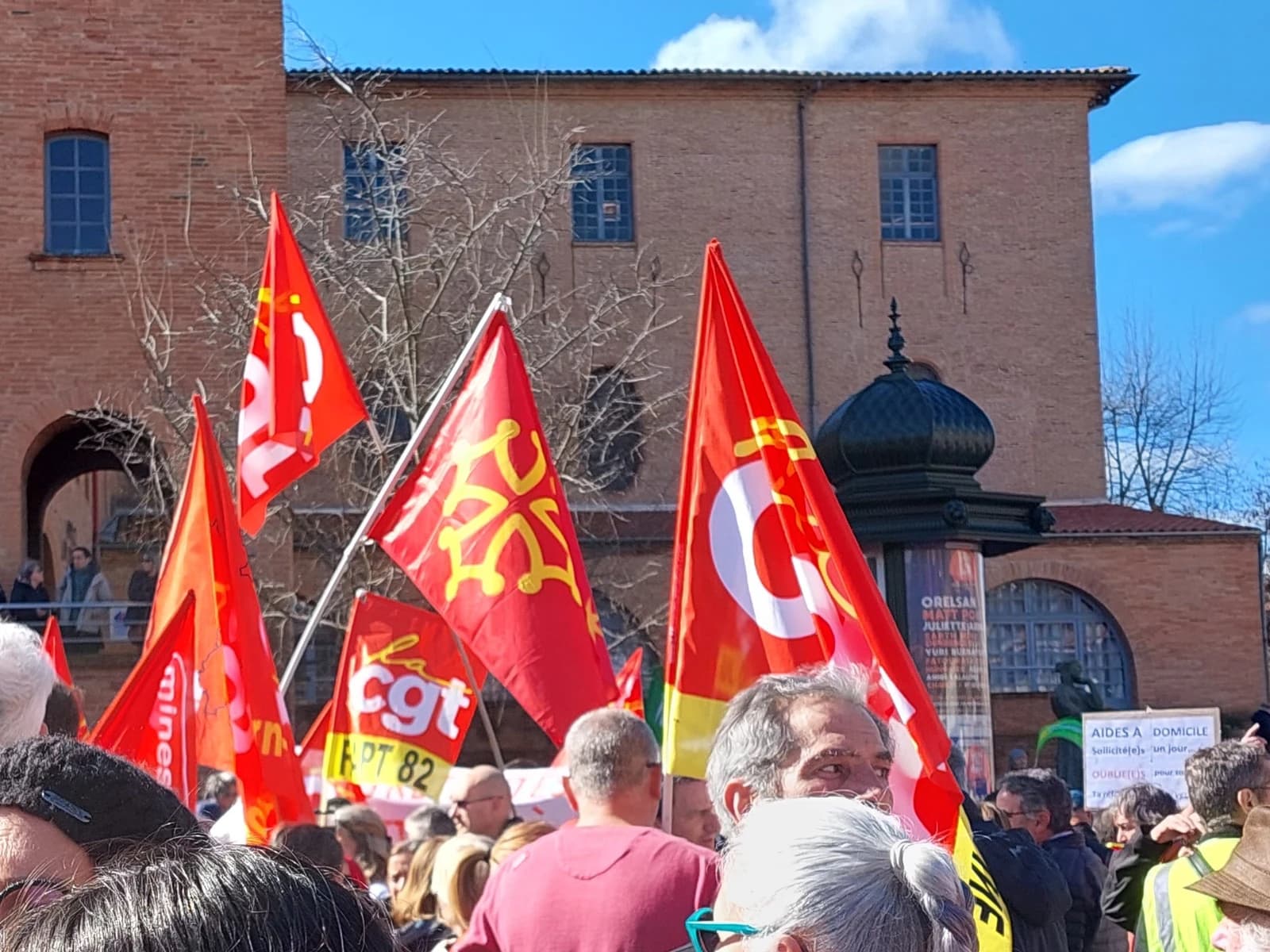
The protest, held outside the Industry Secretariat in central Buenos Aires, is more than a symbolic show of force. It underscores the political cost of Milei’s economic overhaul at a time when unions say factories, construction sites and retailers are shedding workers and small businesses are under strain. For investors, the issue is whether the government can keep pushing austerity and market liberalization without provoking a broader labor backlash that complicates reform, dents consumption and adds to social risk.
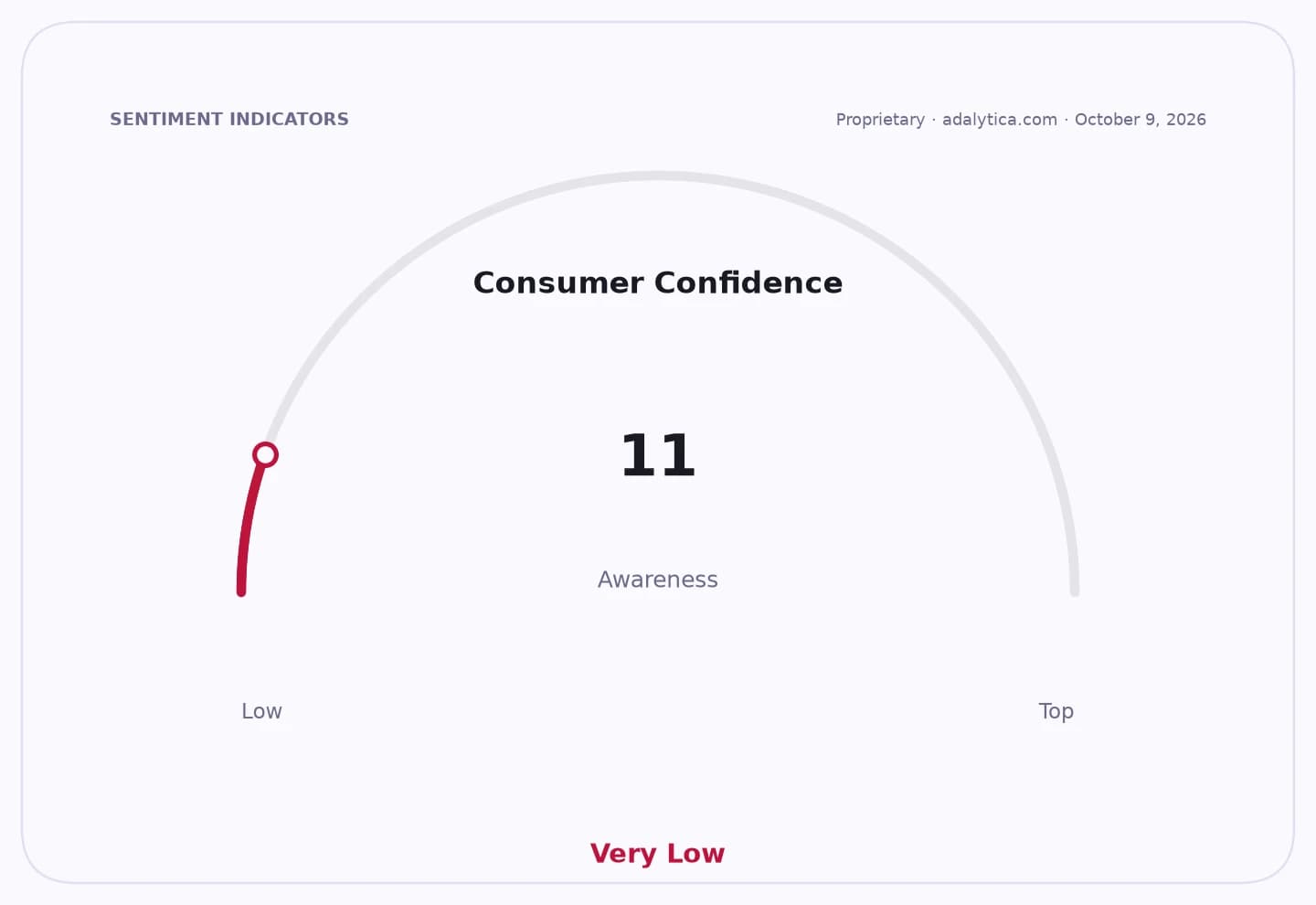
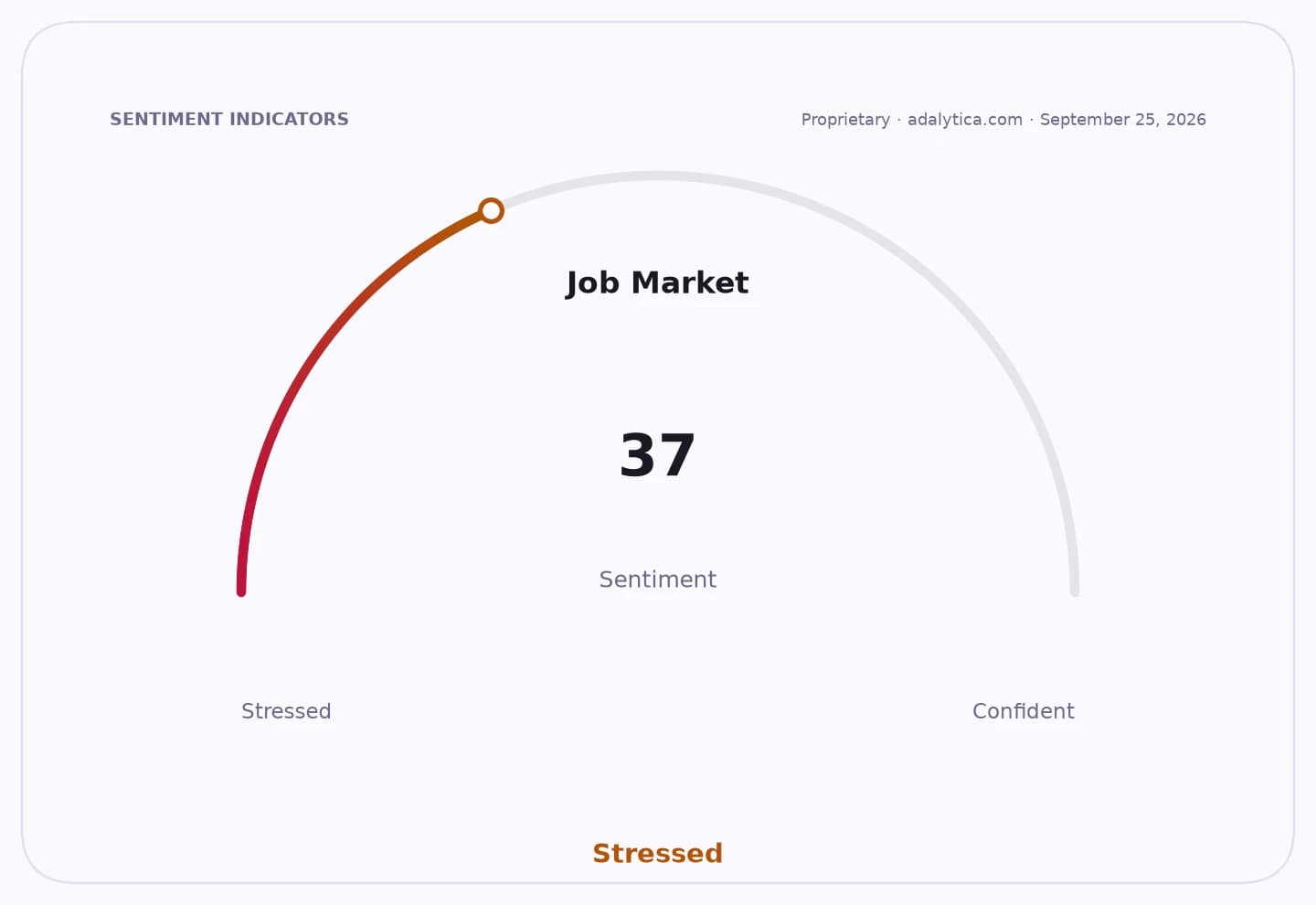
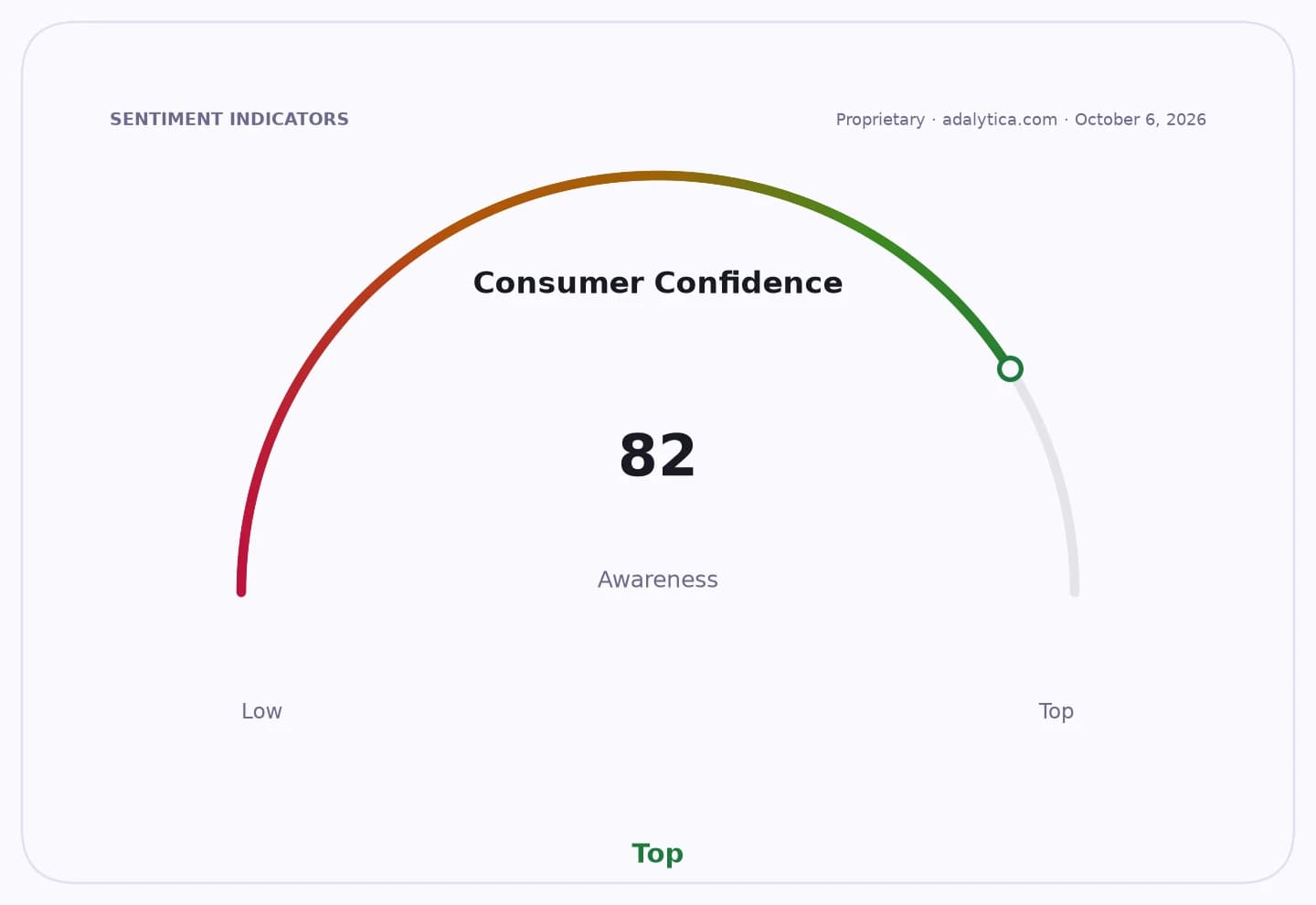
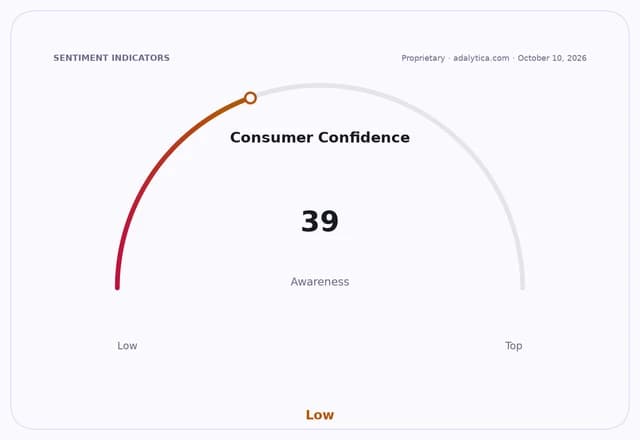
Sentiment IndicatorsⓘProprietary · adalytica.com · October 10, 2026
This is a snapshot — live sentiment, awareness and momentum for 130+ markets update continuously in the dashboard.Open AlphaPulse
CGT leaders said the administration’s programme was “destroying” the national productive system and worsening poverty, household debt and access to medicine, while also cutting into public spending on health, education, science and infrastructure. The central labor confederation framed the dispute as a fight over the distributional effects of the adjustment, arguing that one economy is benefiting from the government’s policies while another, the one faced by most Argentines, is being squeezed by falling purchasing power.
The numbers cited by CGT-aligned legislators help explain why the message is landing. According to data shared by Buenos Aires city lawmaker Claudia Neira, 3,117 companies have closed in the city since Milei took office in November 2023, with 104,090 registered jobs lost. While those figures are not national data, they capture the pressure points the unions are trying to turn into a broader indictment of the government’s model. The CGT also said the slowdown is hitting the chain of payments and weakening regional economies, a warning that matters in a country where small and medium-sized firms depend heavily on domestic demand and working-capital financing.
The mobilization comes as the government’s stabilization effort continues to depend on tight fiscal policy, wage restraint and a sharper opening to imports — measures that can help tame inflation but often hit labor-intensive sectors first. That creates a familiar Argentine tension: the macro case for adjustment versus the micro pain of layoffs, bankruptcies and falling real incomes. Labor leaders argue that pain is no longer contained to traditional union strongholds and is spreading into the broader middle class through weaker consumption and credit stress.
For Milei, the immediate risk is not just another street protest but a more coordinated opposition front. CGT leaders are still debating whether to call a fifth general strike, and the decision to keep mobilizing sector by sector suggests the confederation wants to maintain pressure without yet exhausting its most powerful weapon. Pablo Moyano, one of the movement’s most outspoken figures, urged a more active campaign both from the CGT and the Peronist opposition, signaling that street pressure could intensify if the economic backdrop fails to improve.
The broader market implication is that Argentina’s reform story is increasingly tied to the labor market. If industrial activity, construction and commerce keep weakening, the government may face mounting resistance to deregulation and trade opening, even if inflation continues to ease. That would matter for local assets, where investors remain focused on whether Milei can deliver disinflation and fiscal order without a deeper recession or a social unraveling.
The CGT’s protest is therefore not just a union rally; it is a test of how much labor pain Argentina’s adjustment model can absorb before it becomes politically and economically self-defeating. With another strike still under discussion and universities set to join demonstrations next week, the risk is that the confrontation broadens from an industrial dispute into a wider contest over the pace and social cost of the country’s reform agenda.
| Entity | Gains | Losses |
|---|---|---|
| Milei government | ▲Fiscal reform credibility | ▼Social peace, labor support |
| CGT and unions | ▲Public visibility, bargaining leverage | ▼Reform momentum |
| Industrial firms and SMEs | ▲Potential policy relief if demands stick | ▼Demand, cash flow, employment |
| Argentina assets/reform bulls | ▲If adjustment delivers stability | ▼If unrest deepens and growth weakens |