Argentina’s retail recovery remains fragile, with September sales up just 0.3% from a year earlier even as they fell 1.2% from August, underscoring that consumers are still buying only when necessary and that any rebound in household demand will be slow and uneven.
Argentina Retail Sales Rise 0.3% in September
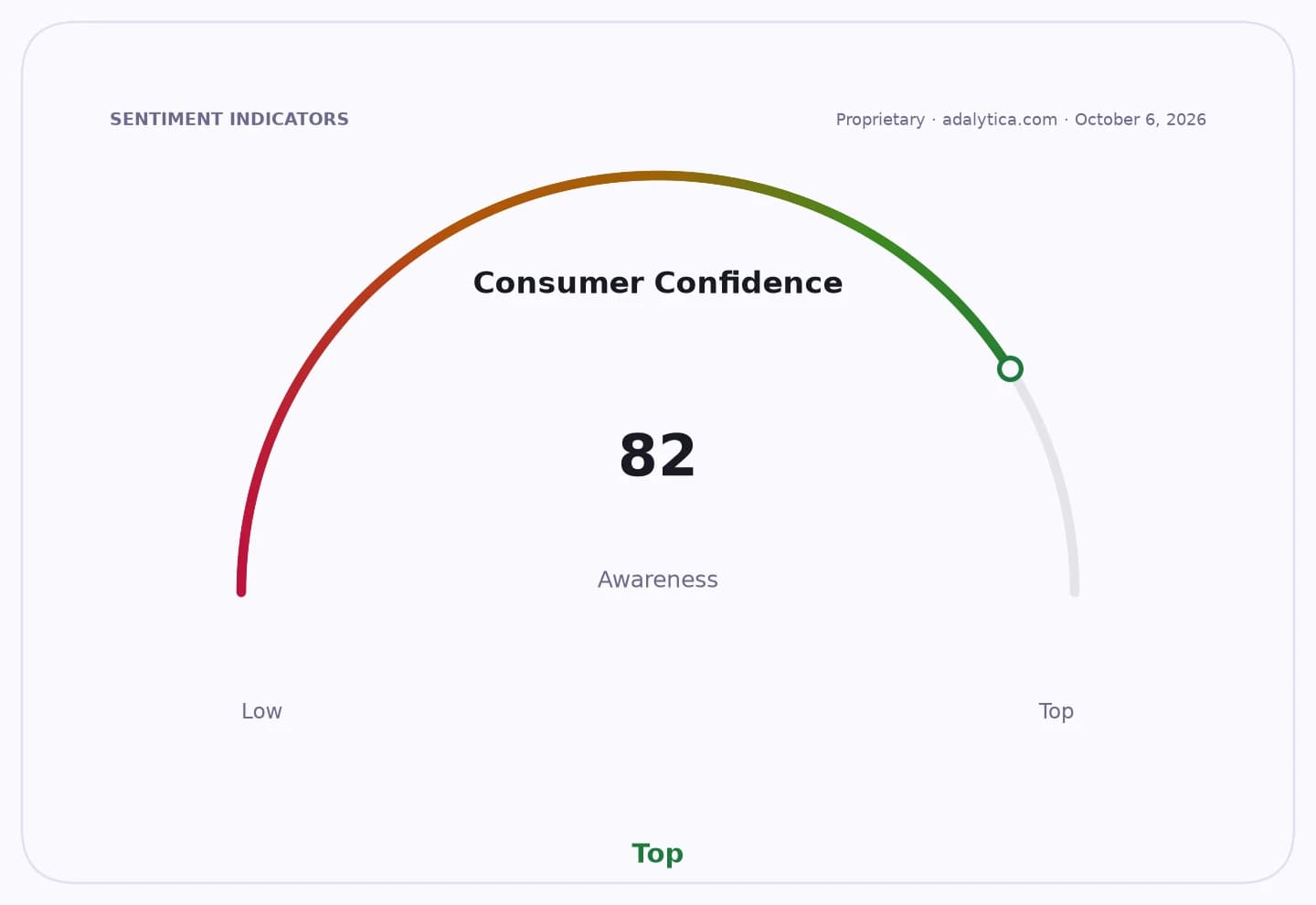
That matters because consumption is one of the few immediate engines Argentina can lean on while investment stays subdued and businesses hesitate to commit capital. CAME’s survey of 1,150 shops showed the sector still down 2.1% year to date, though that was a modest improvement from the 2.4% decline registered in the prior month. In other words, the downturn is easing, but it is not over.
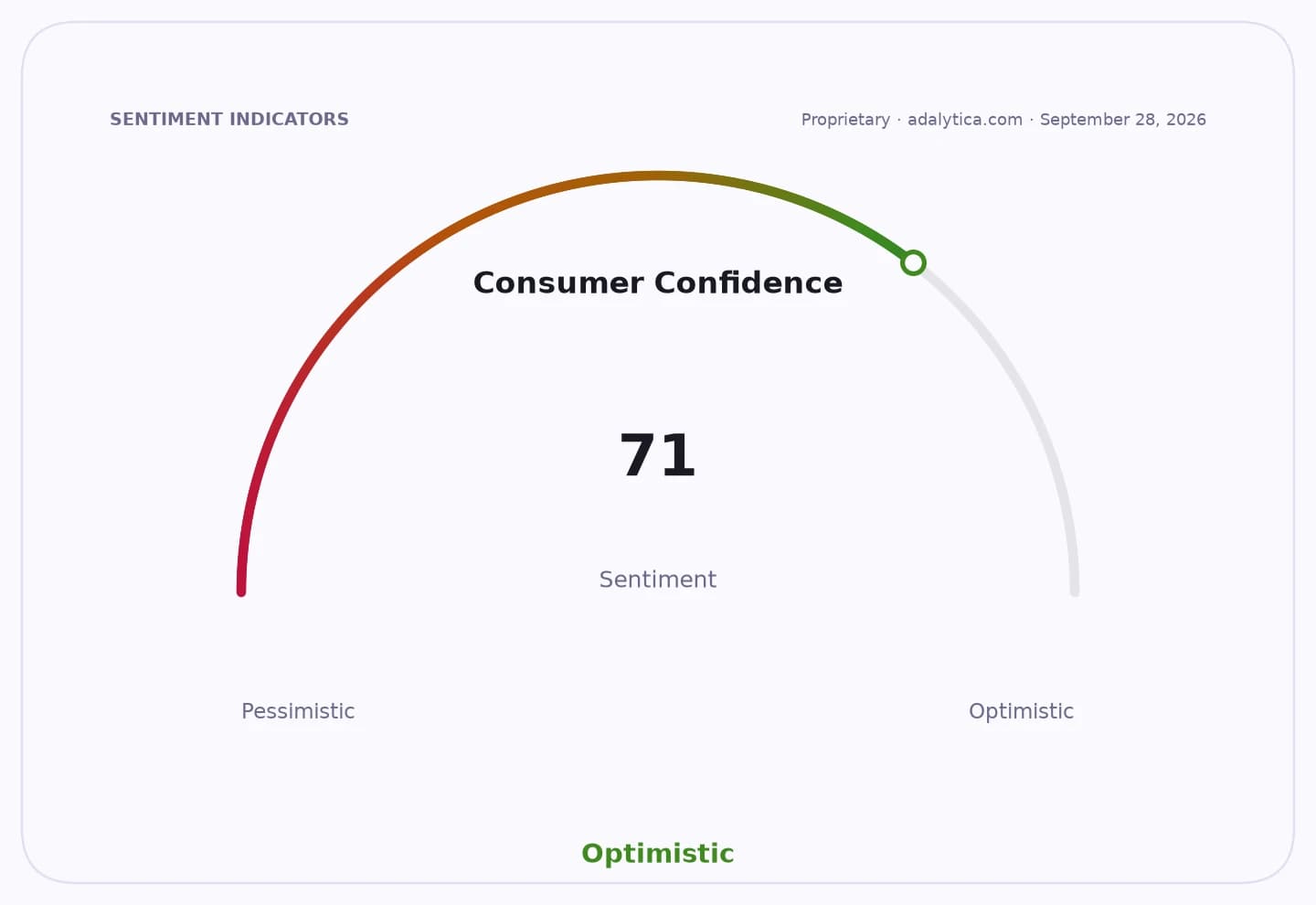
Sentiment IndicatorsⓘProprietary · adalytica.com · October 6, 2026
This is a snapshot — live sentiment, awareness and momentum for 130+ markets update continuously in the dashboard.Open AlphaPulse
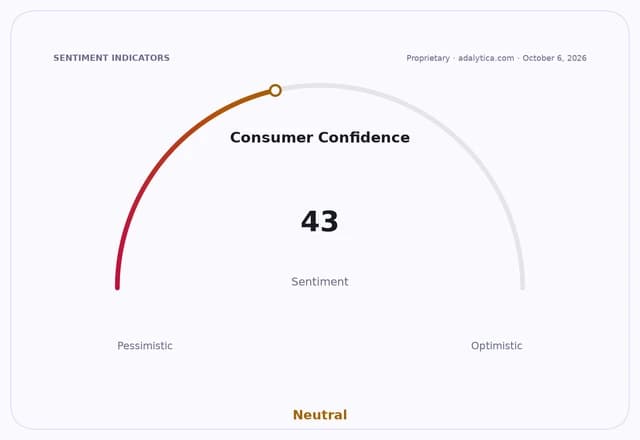
The details tell the real story. The year-on-year gain was the first positive reading since June and came against a weak comparison base, with September 2025 sales having fallen 4.2%. The improvement was also narrow: five of seven categories posted annual gains, led by textiles and apparel, which rose 5%, followed by footwear and leather goods at 3.5% and hardware and building materials at 3.3%. Food and beverages, however, still slipped 3.1%, while home furnishings dropped 3.4%.
That split is classic late-cycle consumer behavior. Households are trading down, stretching paychecks and prioritizing essentials, with CAME noting heavier substitution from beef to chicken and stronger competition from supermarkets and wholesalers. In hardware, demand is being supported by repairs and emergency fixes rather than new construction. In apparel and footwear, sales are being pushed by installment plans, liquidations and selective replenishment, not broad-based discretionary spending.
For investors, the message is that Argentina’s consumer market is stabilizing, but not yet accelerating. Retailers with exposure to value-oriented demand, promotions and credit-driven purchases should outperform those tied to big-ticket spending or new-home construction. The same is true for suppliers serving maintenance, repair and low-ticket essentials. By contrast, companies dependent on a durable pickup in middle-class discretionary spending may be getting ahead of themselves.
The broader investment implication is even more important: this is a market still trying to bottom, not one that has broken out. CAME’s own survey showed 55.7% of merchants believe now is not a good time to invest, even if that is slightly better than in August. Only 13.4% said they are ready to deploy capital. That hesitation is a warning sign for near-term growth, but it also creates a setup for an eventual upside surprise if inflation cools further, financing improves and confidence starts to rebuild.
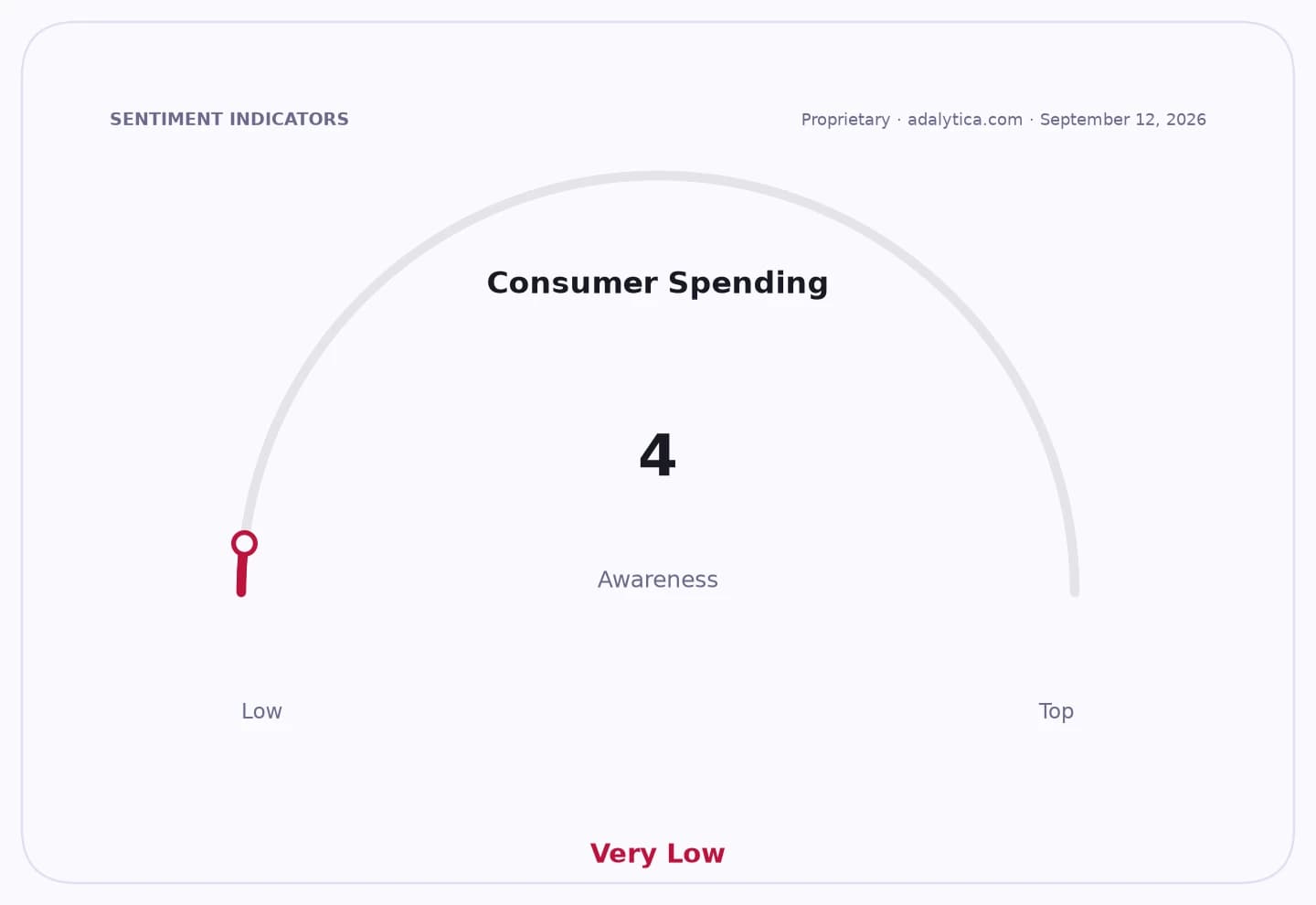
Adalytica’s consumer spending sentiment remains in fear territory, which reinforces the view that the market is underestimating how long the normalization process will take. But for contrarian investors, that is exactly where the opportunity lies: the first phase of any Argentine consumer recovery tends to reward the most defensive retailers, bargain chains and credit-enabled sellers long before the headline data turns convincingly strong.
The takeaway is simple: September’s tiny gain is not a boom, but it is a sign the collapse in household demand is easing. Investors should watch for a sustained improvement in real wages, financing conditions and consumer confidence, because the next leg higher in Argentina retail will likely be powered by the cheapest, most resilient names first.
| Entity | Gains | Losses |
|---|---|---|
| Value retailers | ▲Higher traffic | ▼Margin pressure |
| Apparel and footwear chains | ▲Promo-led sales | ▼Weak discretionary demand |
| Hardware and repair suppliers | ▲Maintenance spending | ▼New construction slowdown |
| Food wholesalers/supermarkets | ▲Trade-down buying | ▼Small neighborhood shops |