Argentina is trying to contain a diplomatic spat with Chile over the Strait of Magellan at the same time Javier Milei’s government is pitching the country to global investors in Singapore, a reminder that foreign-policy noise can quickly spill into the pricing of Argentine risk.
Argentina Denies Magellan Strait Legal Move
Foreign Minister Pablo Quirno said Buenos Aires is not preparing any legal offensive over control or sovereignty in the strait, directly rebutting a Chilean lawmaker’s suggestion that Milei’s government was gearing up for a new challenge. The dispute matters because the Strait of Magellan is not just a symbolic border issue; it is a strategic maritime corridor and a test of whether Milei can keep Argentina’s external agenda aligned with his broader effort to normalize ties, reduce risk premiums and unlock capital inflows.
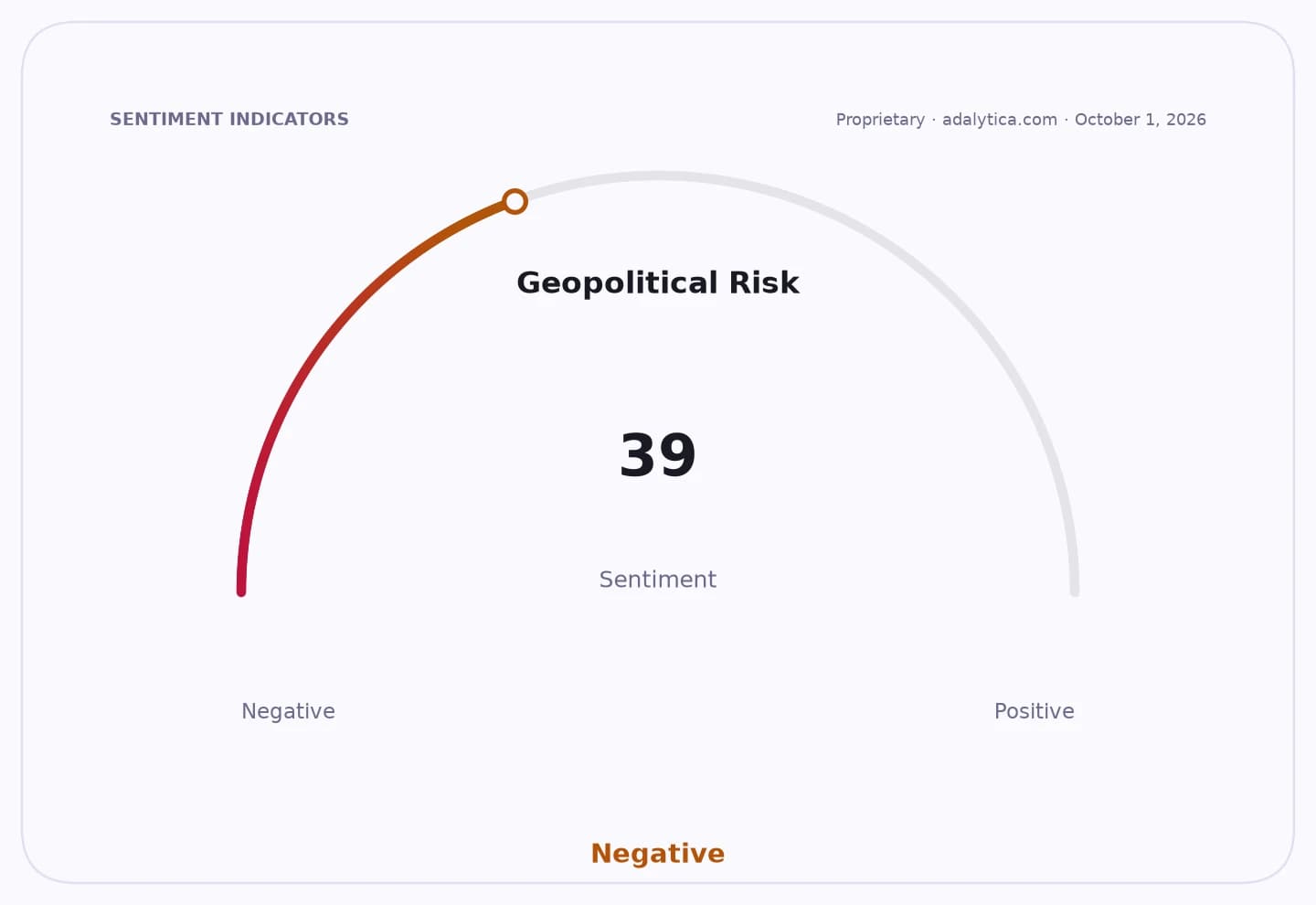
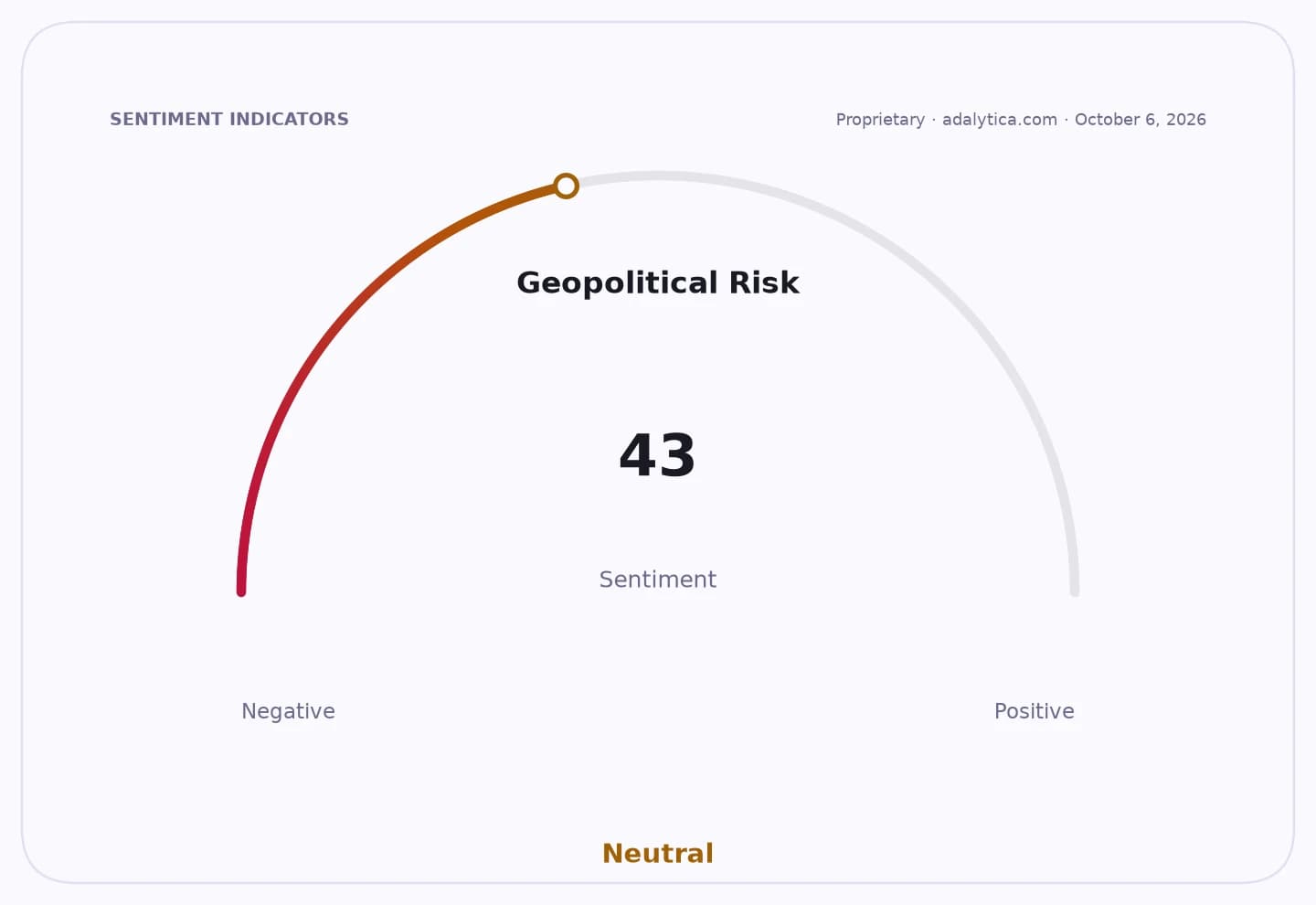
Sentiment IndicatorsⓘProprietary · adalytica.com · October 13, 2026
This is a snapshot — live sentiment, awareness and momentum for 130+ markets update continuously in the dashboard.Open AlphaPulse
That is the real investment angle. Milei’s reform story depends on convincing investors that Argentina is moving away from confrontation and toward credibility, trade and capital access. Any perception of a fresh regional dispute with Chile risks adding another layer of geopolitical discount to an economy already battling weak reserves, volatile markets and a long history of policy inconsistency. For investors, that can affect everything from sovereign spreads to the valuation multiple on Argentine equities and ADRs.
The market’s immediate read is not on territorial law but on risk appetite. Argentina-focused funds and stocks are still trading with a heavy politics premium, and the country’s investable universe remains highly sensitive to headlines that touch diplomacy, trade routes and institutional stability. That is why the latest attempt to cool rhetoric matters: it is a defensive move to preserve the thaw in Argentina’s international positioning while Milei seeks support from business leaders abroad.
The broader narrative is one of de-escalation as economic strategy. Milei needs foreign capital, not friction, and Quirno’s blunt denial suggests the government understands that geopolitical certainty is now part of the growth trade. If Buenos Aires keeps dialing down regional tension and advancing a more market-friendly external posture, the next leg for Argentina assets could come not from another domestic shock but from a gradual rerating as country risk falls.
| Entity | Gains | Losses |
|---|---|---|
| Argentina government | ▲Reduced diplomatic fallout | ▼Higher geopolitical risk premium |
| Chile government | ▲Reinforced sovereignty stance | ▼Heightened bilateral noise |
| Argentine equities/ADRs | ▲Lower tail-risk sentiment | ▼Pressure from renewed tension |
| Investors in Argentina | ▲Greater policy visibility | ▼Exposure to headline volatility |