Bolivia’s diplomatic reset is starting to matter less as symbolism and more as a potential economic lever, with President Rodrigo Paz using new ties with Chile, the United States and Israel to chase trade, investment and security gains that the country has lacked for years.
Bolivia’s diplomatic reset and trade access
That matters because Bolivia is not just trying to fix its image abroad. It is trying to turn foreign policy into growth policy at a time when the economy needs fresh sources of capital, better logistics and stronger confidence from international partners. In practical terms, that means access to ports, energy links, financing and cross-border trade routes could end up being far more valuable than any photo opportunity at a summit.
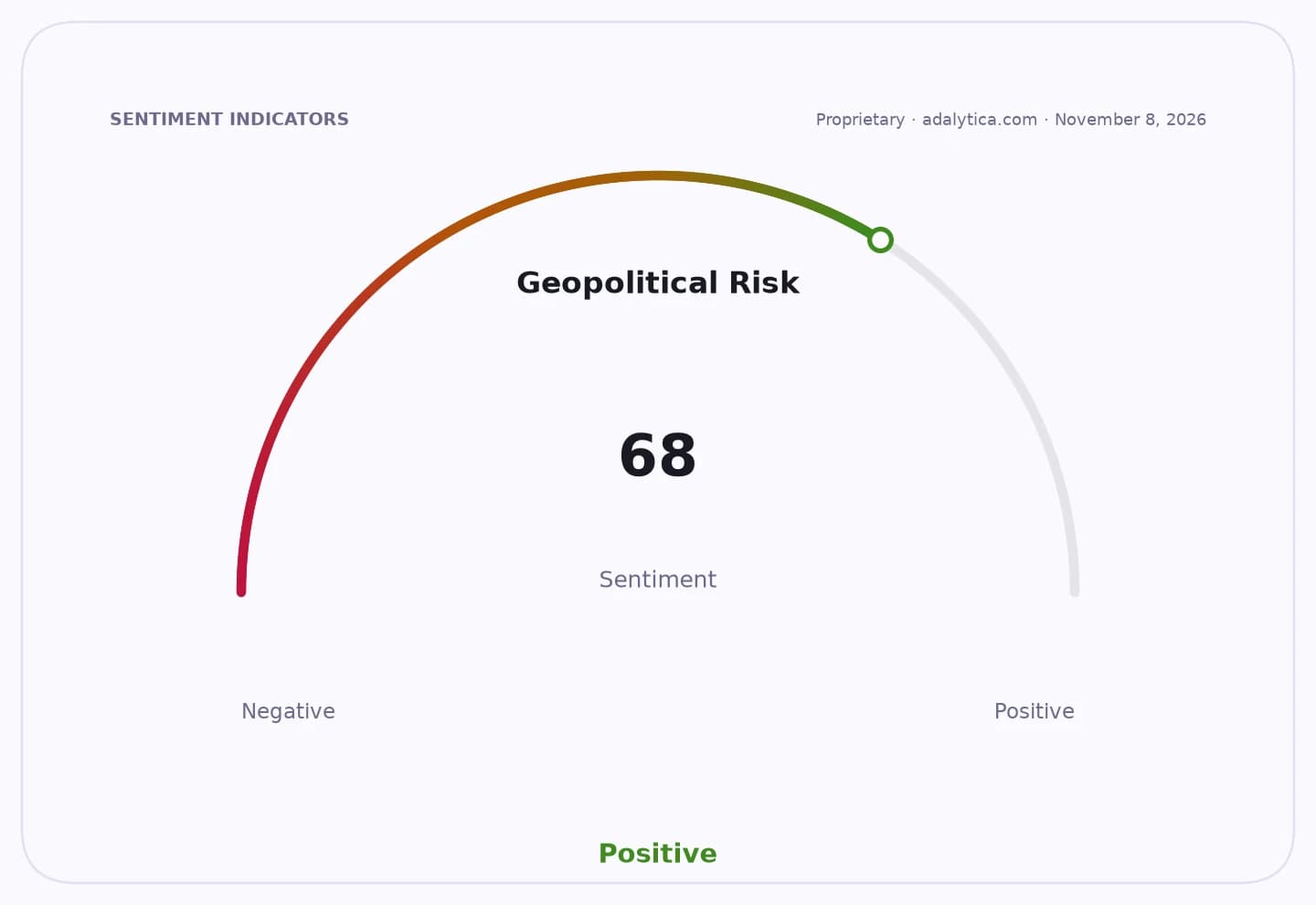
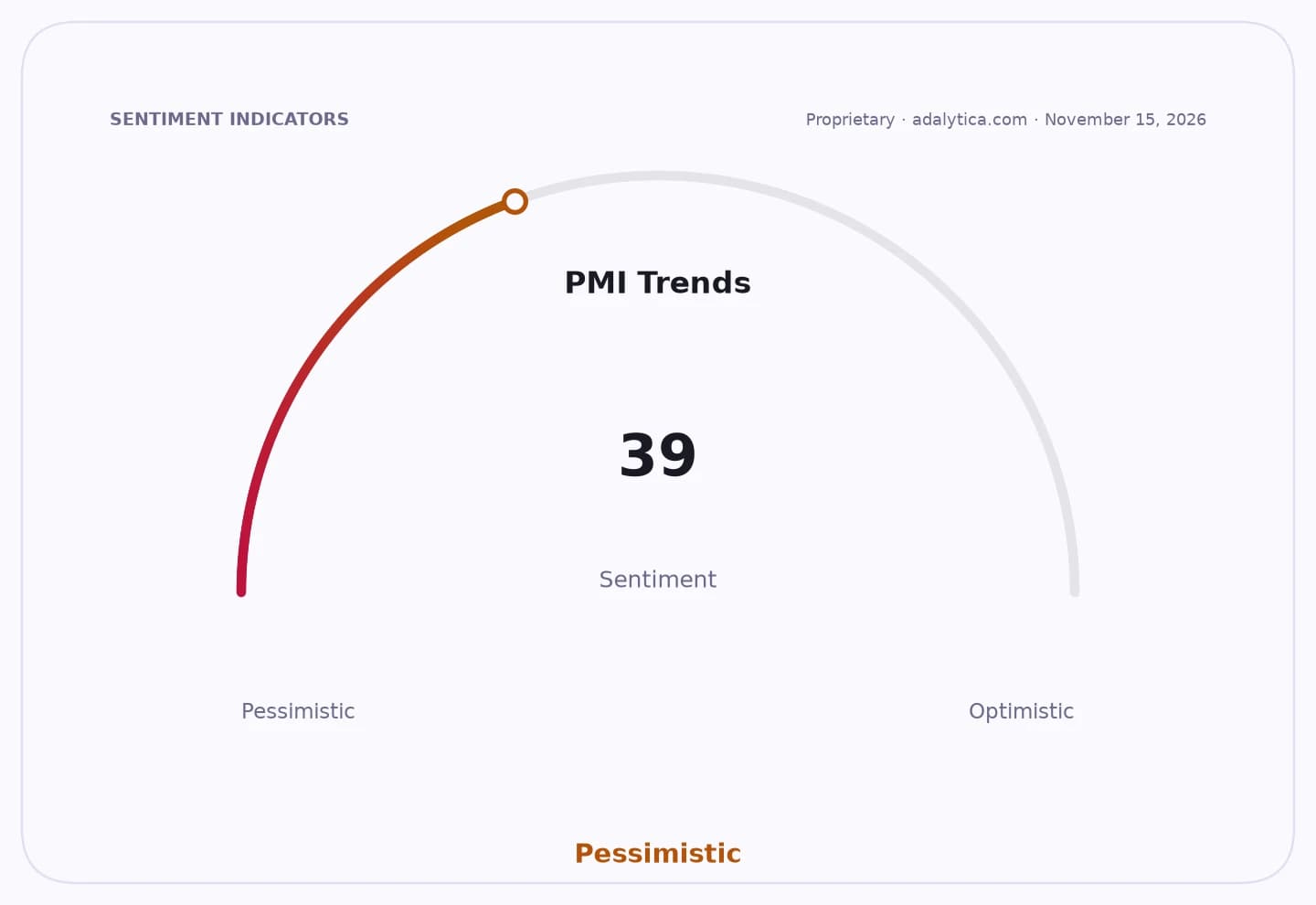
Sentiment Indicators
The clearest sign of that shift came in October, when Chilean President José Antonio Kast made the first official visit by a Chilean head of state to Bolivia in 71 years. The two governments signed accords covering commerce, mining, energy and digital connectivity, including plans to modernize the long-standing ACE 22 trade pact, cooperate on mineral exploration, explore a future power interconnection and develop a fiber-optic corridor linking Bolivia to Pacific submarine cables.
For investors, that is the kind of diplomacy that can eventually show up in earnings and asset values. Better connectivity lowers the cost of doing business. Energy cooperation can improve supply reliability. Mining partnerships can unlock one of Bolivia’s most important sectors. And closer ties with Chile — still Bolivia’s gateway to the Pacific despite unresolved historical disputes — could reduce friction for exporters and importers alike.
The government is also leaning on security cooperation as part of the same strategy. A binational border plan with Brazil, launched in August, has already led to arrests of alleged members of the PCC and Comando Vermelho, as well as the capture and expulsion of a Peruvian gang leader known as “Jhon Pulpo.” That matters economically too: organized crime raises logistics costs, scares off investment and weakens the state’s ability to control trade corridors.
Still, the real test is execution. Bolivia can collect diplomatic wins quickly; converting them into contracts, financing and lasting commercial flows will take time. That is especially true if the country wants to avoid swapping one form of dependence for another. The upside is real, but it will only compound if the government turns talks into infrastructure, trade and investment that endure beyond the current political moment.
For long-term investors, Bolivia is worth watching as a story of policy credibility and regional integration rather than a short-term trade headline. If these openings keep widening, the beneficiaries will be exporters, miners, infrastructure providers and lenders. If they stall, the gains will remain mostly rhetorical.
| Entity | Gains | Losses |
|---|---|---|
| Bolivia | ▲More trade and investment access | ▼Isolation and higher logistics costs |
| Chile | ▲Stronger commercial ties | ▼Diplomatic distance and missed routes |
| U.S. and other partners | ▲New entry points for cooperation | ▼Limited influence if talks fade |
| Criminal networks | ▲Disruption from tighter borders | ▼Easier cross-border movement |