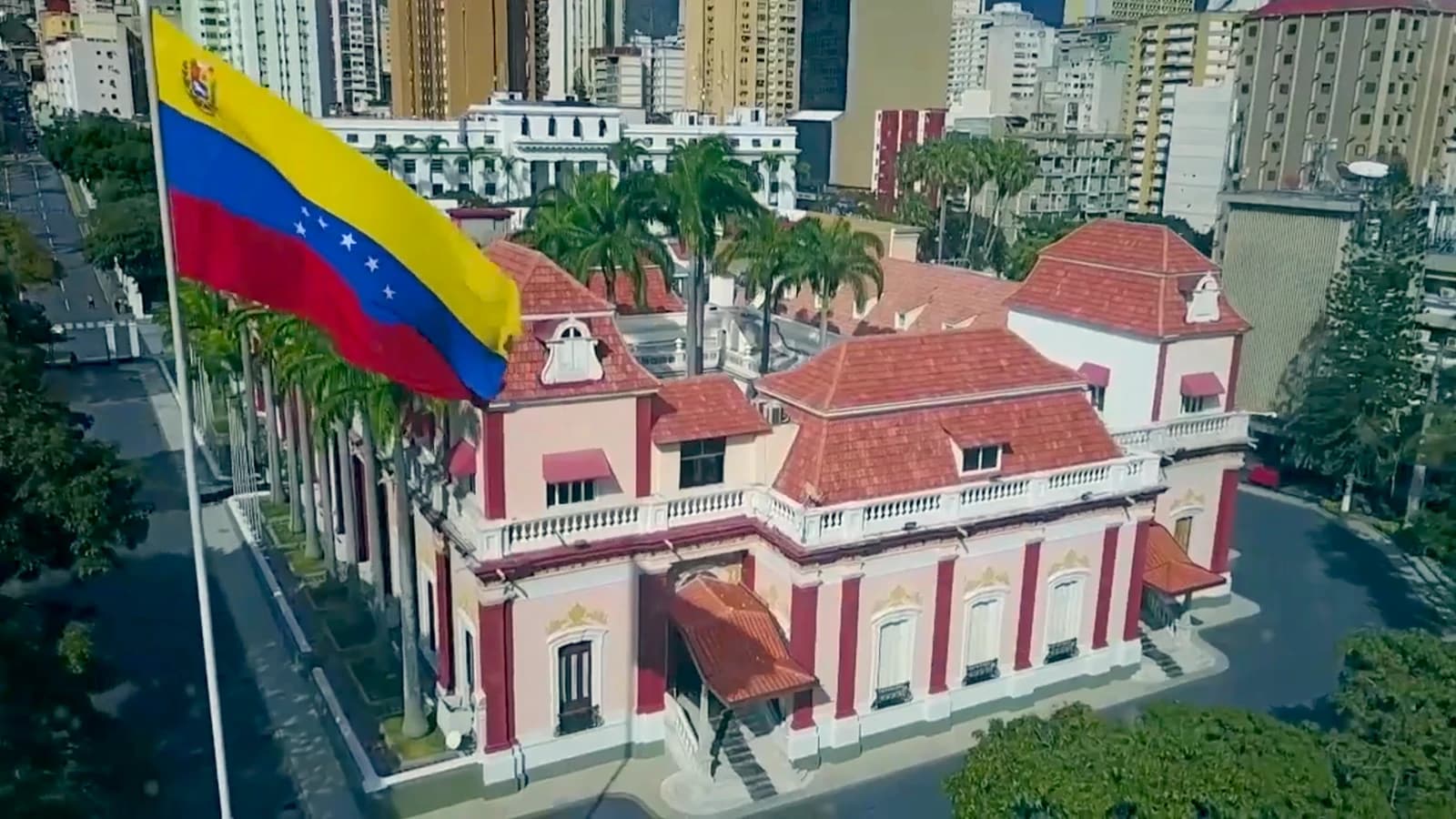
Venezuela is using the run-up to the Madrid Ibero-American Summit to press for warmer commercial ties with Brazil and Portugal, a diplomatic push that could open new channels for trade, investment and energy-linked cooperation even as Caracas remains under international pressure.
Venezuela Seeks Trade Ties With Brazil and Portugal
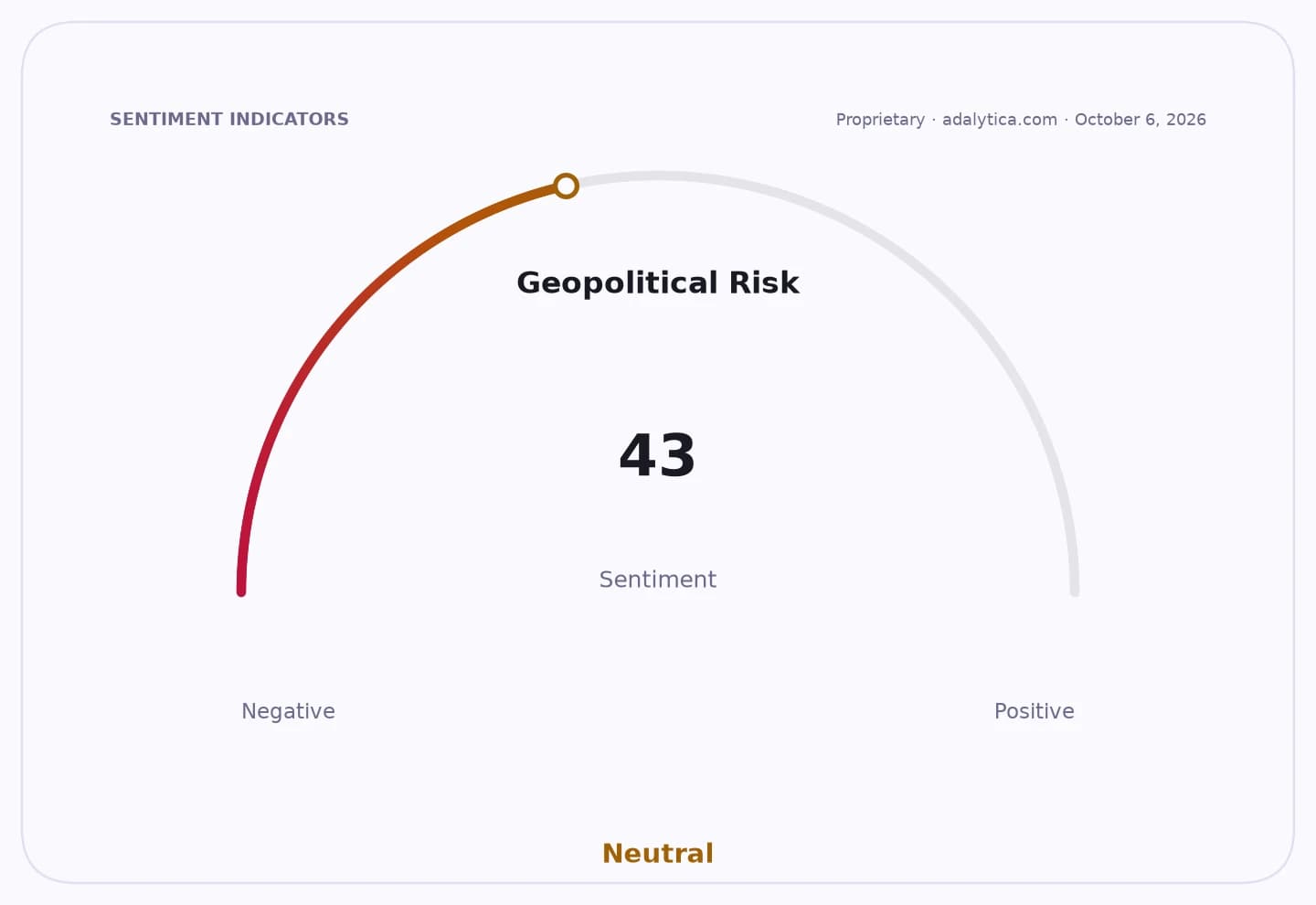
Geopolitical Risk
Foreign Minister Oliver Blanco met with Brazil’s Mauro Vieira and Portugal’s Paulo Rangel in Madrid to review bilateral trade and broader economic ties ahead of the XXX Ibero-American Summit, which brings together leaders from 22 countries on Nov. 4-5. For Venezuela, the talks matter because any incremental easing in commercial frictions or new business contacts can help a sanctions-hit economy seek foreign capital, export routes and regional legitimacy.
Sentiment Indicators
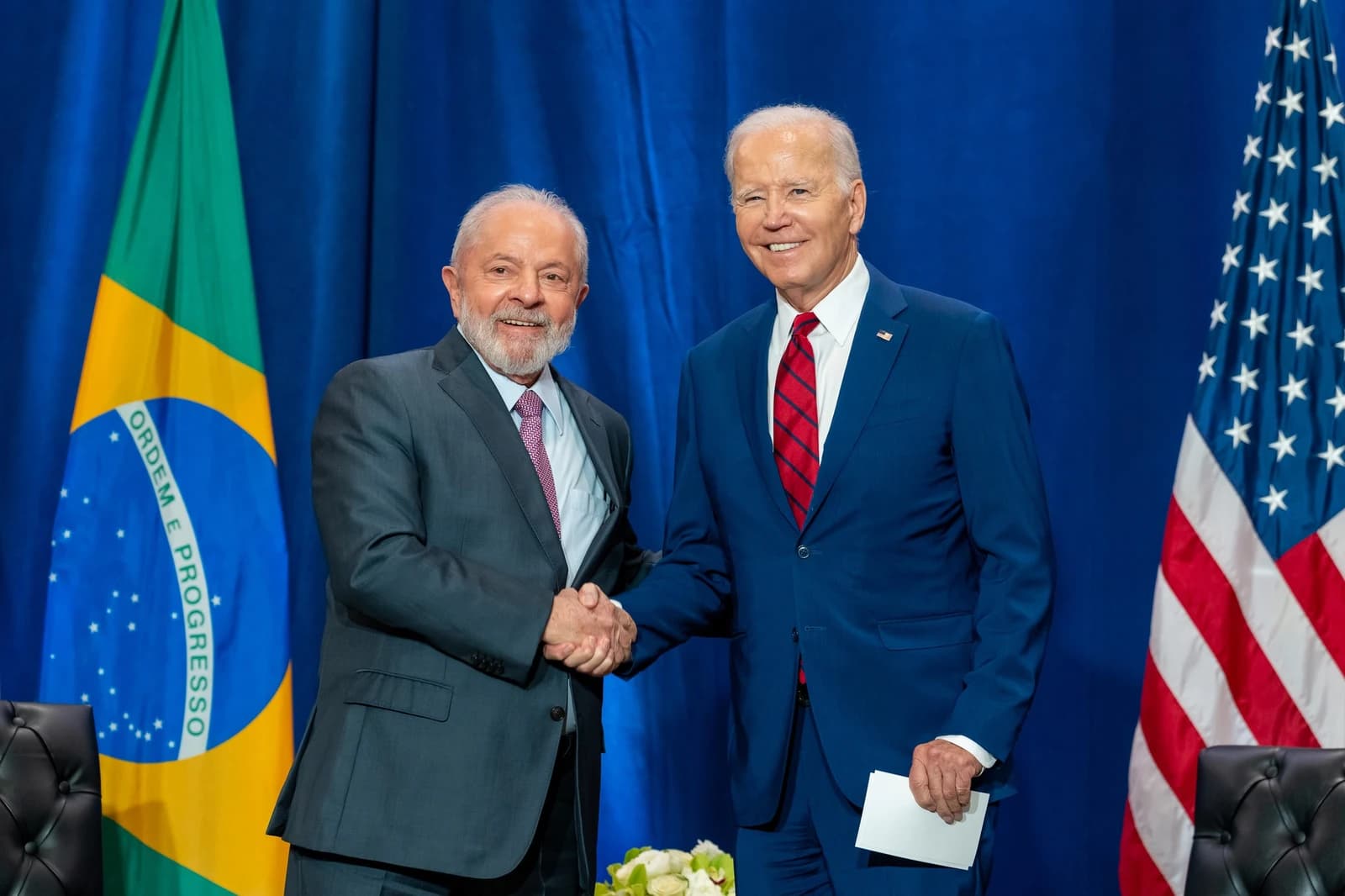
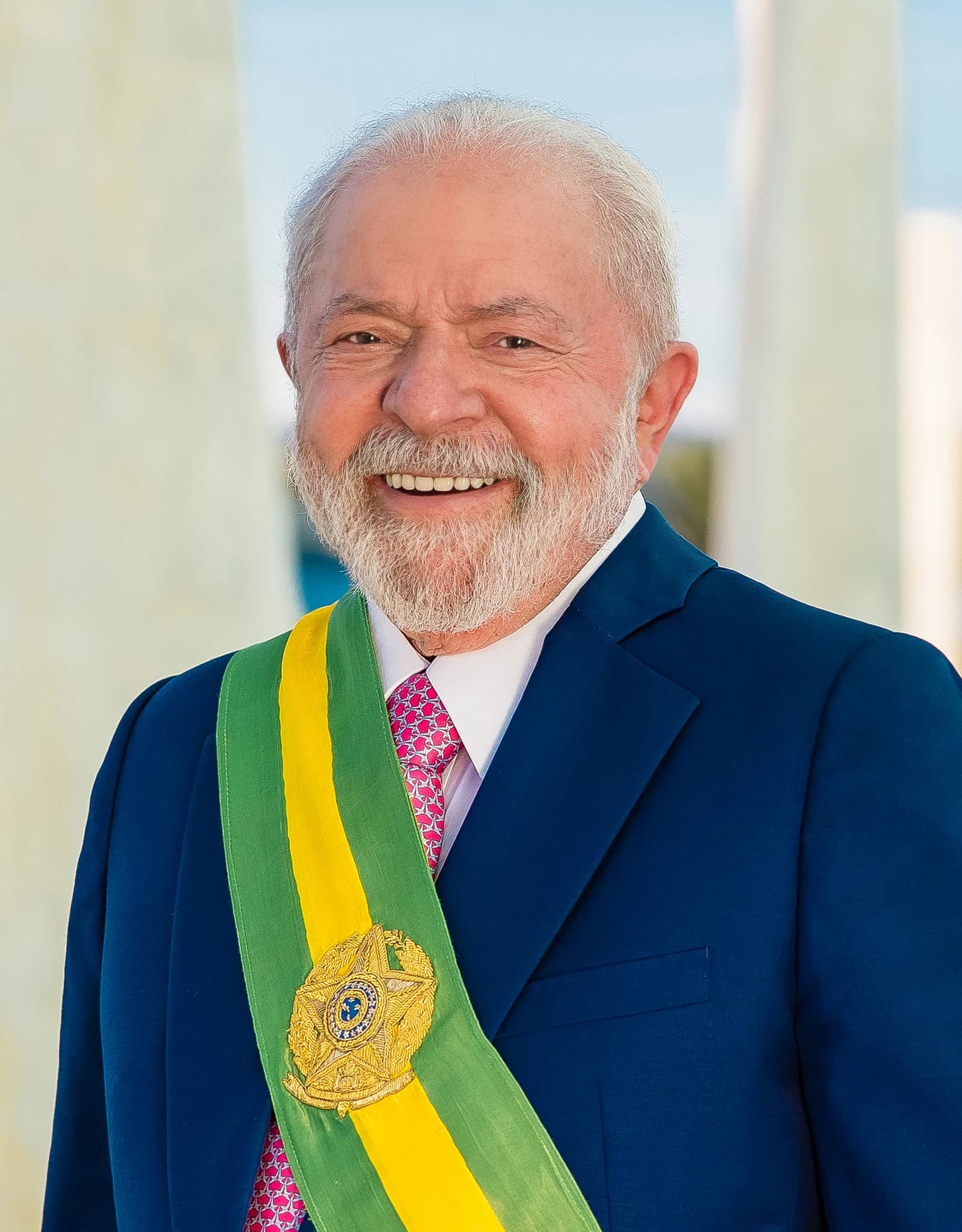
With Brazil, the discussions focused on concrete tools to lift bilateral trade and on joint work around sustainable development and Amazon protection. Caracas also used the meeting to congratulate President Luiz Inácio Lula da Silva on his re-election, underscoring the political dimension of a relationship Venezuela wants to keep anchored to regional cooperation rather than isolation.
The Portugal meeting was framed around the Venezuelan-Portuguese diaspora and recent visits by Portuguese business delegations to Caracas, which the Venezuelan foreign ministry said had created a more favorable climate for new projects. The ministry also pointed to a recent trip to Venezuela by Portugal’s economy minister, Manuel Castro Almeida, as a step that could widen investment channels between Lisbon and Caracas.
The story is less about immediate market-moving numbers than about access: access to buyers, investors, shipping networks and diplomatic cover. Brazil is Venezuela’s most important regional counterpart in this set, while Portugal offers a European bridge that could help Caracas re-engage business interests with historical ties to the country.
For investors, the relevance is indirect but real. Any thaw that improves Venezuela’s external financing prospects or trade connectivity can affect the outlook for regional commodities, shipping flows and companies with exposure to Brazil and broader Latin American trade. Technical indicators on Brazil’s EWZ ETF and miner Vale have already been volatile, reflecting how quickly Latin American assets can react to shifts in geopolitics and growth expectations.
The summit itself will keep the focus on digital transformation, artificial intelligence and disaster resilience, but Caracas is clearly using the forum to signal that it wants economic normalization through multilateral diplomacy. The key test will be whether the meetings lead to follow-up business delegations, new commercial terms or investment discussions in the months ahead.
| Entity | Gains | Losses |
|---|---|---|
| Venezuela | ▲New trade and investment openings | ▼Diplomatic isolation |
| Brazil | ▲Regional influence and Amazon agenda | ▼Extra diplomatic burden |
| Portugal | ▲Business access in Caracas | ▼Political and reputational risk |
| Foreign investors | ▲Potential re-entry opportunities | ▼Policy and sanctions uncertainty |