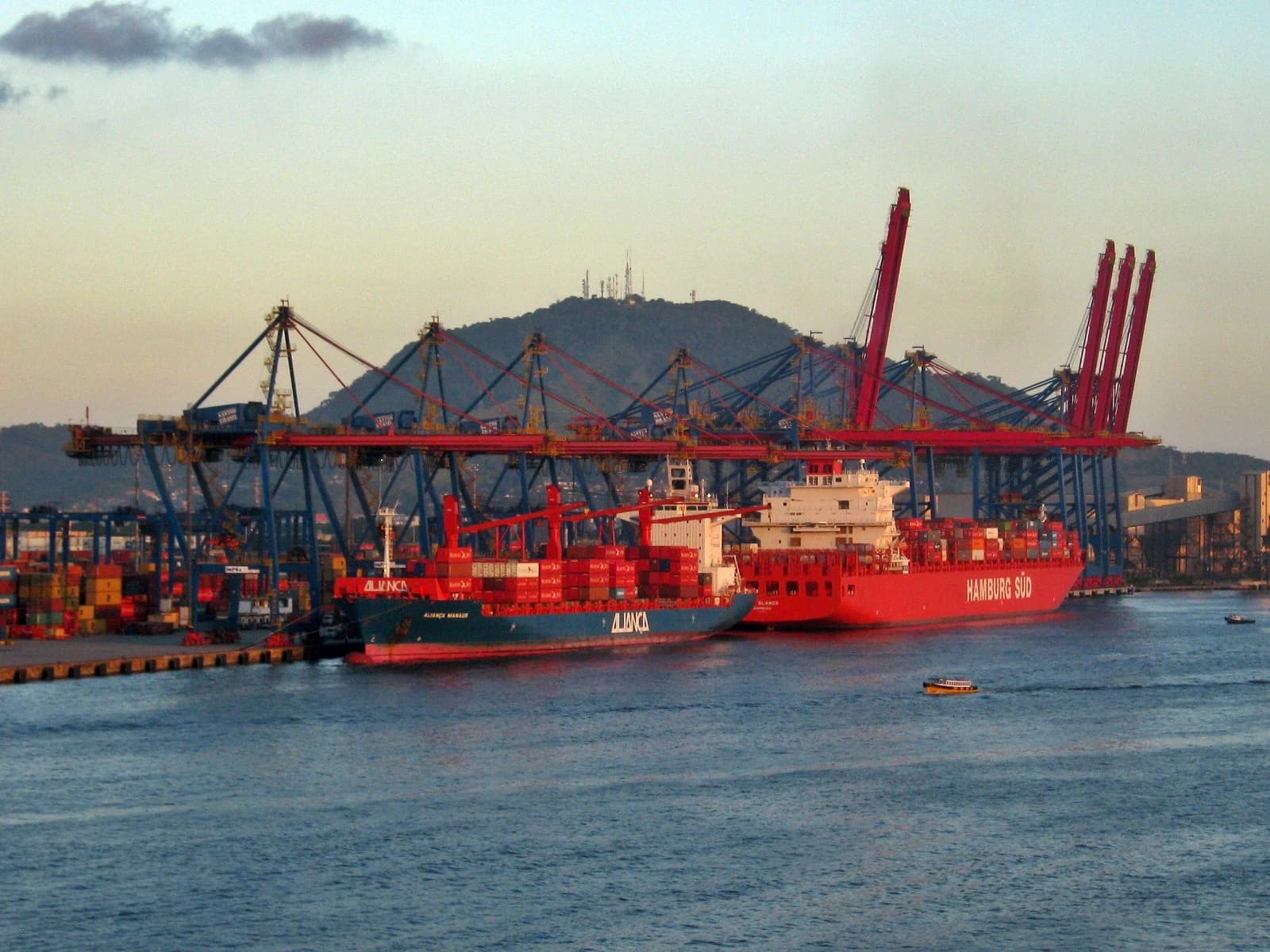
Brazil’s relationship with the United States is moving into a post-Trump phase because the economics binding the two countries are proving more durable than the politics driving the latest confrontation.
Brazil-US Trade Ties Outlast Trump Tariff Pressure
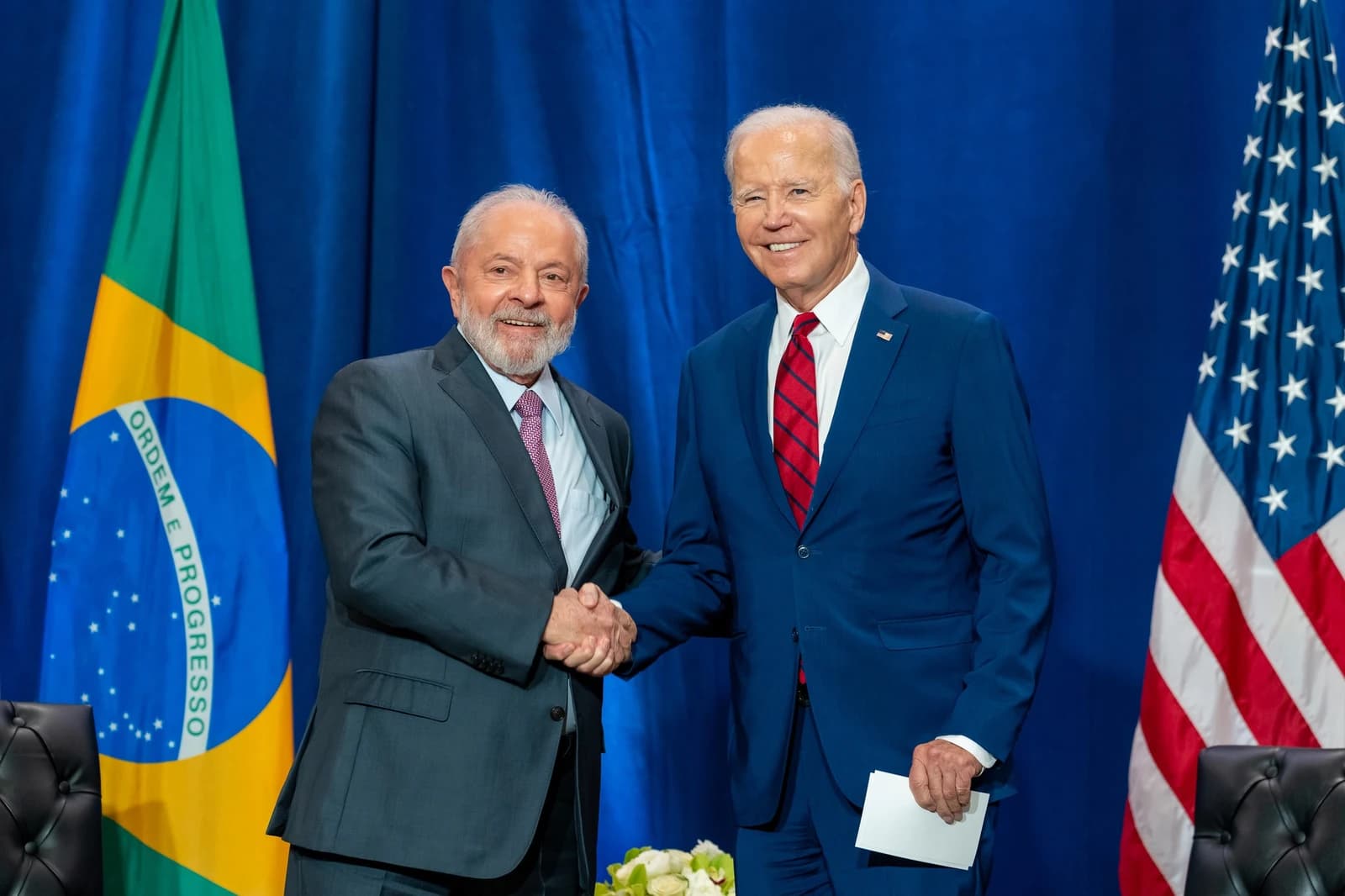
That is the central investor takeaway from a year in which Washington has used tariffs and pressure tactics on Brasília, only to discover the limits of substitution in trade and the costs of severing long-established supply chains. Even as the Trump administration kept up the rhetoric, it was forced to carve out tariff exceptions and open talks on a possible trade understanding, a sign that commercial interdependence still constrains policy.
Sentiment Indicators
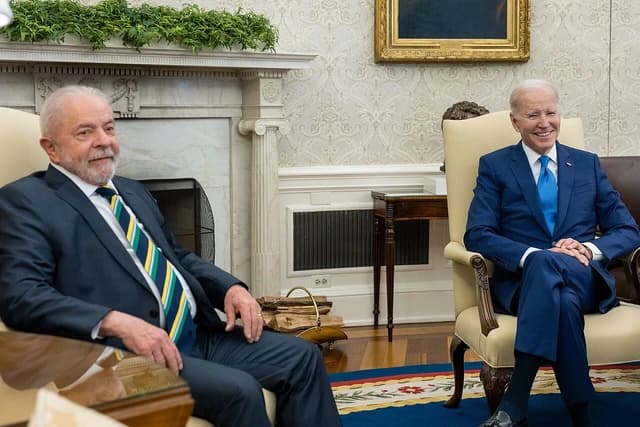
The broader implication is that Brazil-US ties are less a bilateral mood swing than a deep institutional and commercial relationship shaped by food, energy, minerals, universities and capital flows. For Brazil, that means the real opportunity is not simply to survive another US political cycle, but to broaden access to decision-makers in Congress, state governments, companies and research institutions that can outlast any one presidency. For investors, that creates a more durable framework for trade-sensitive assets, from exporters to Brazil-focused funds, even if headline risk remains high.
Markets have already been forced to price that volatility. The iShares MSCI Brazil ETF, EWZ, slid to 32.69 on Nov. 9 from 42.59 on Oct. 23, a drop of nearly 23% in less than three weeks, while its 14-day RSI sat at 15.6, a level that points to extreme oversold conditions. The ETF is now well below both its 50-day moving average of 38.0 and its 200-day average of 36.95, underscoring how quickly sentiment turned once trade tensions and political risk intensified.
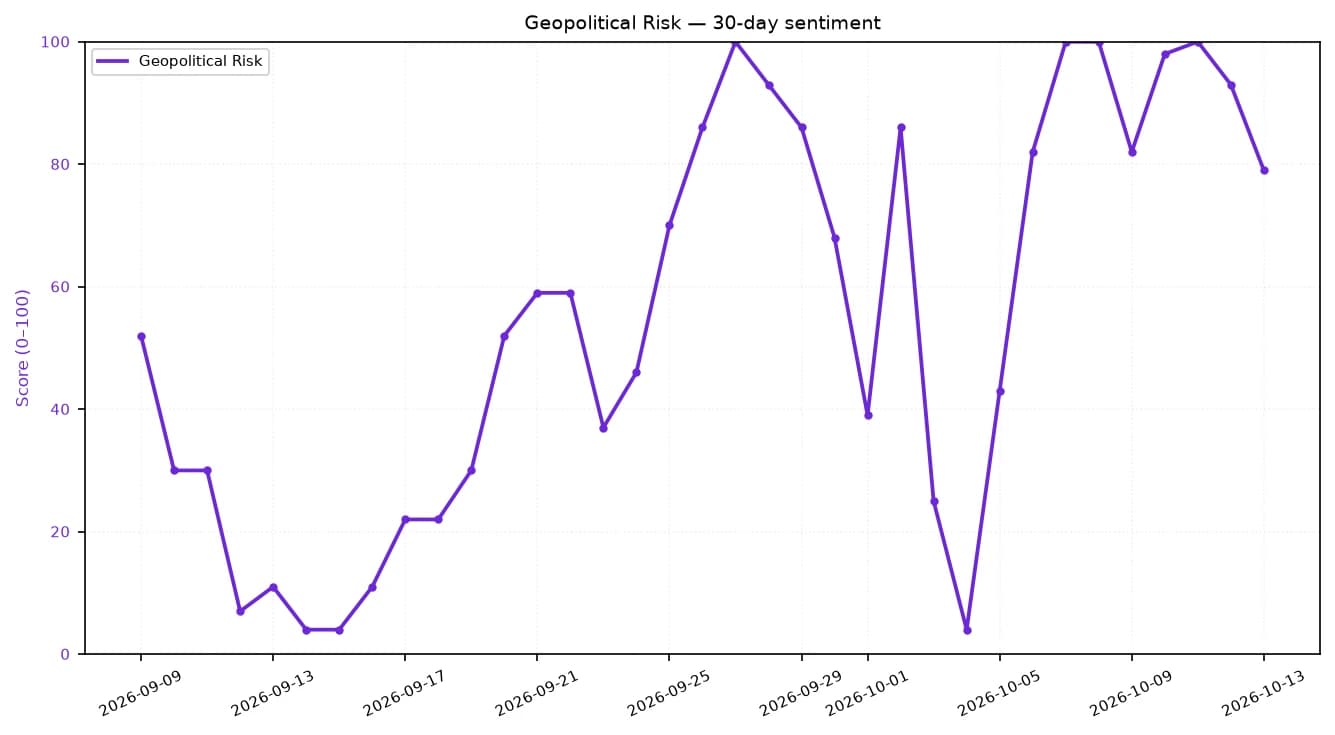
Geopolitical Risk
Brazilian assets linked more directly to the bilateral relationship have been hit even harder. Banco do Brasil shares, tracked by BBD, fell to 2.63 on Nov. 9 from 4.06 on Oct. 23, a decline of about 35%, with an RSI of 16.5 and the stock trading far under its 50-day and 200-day averages. That kind of move suggests investors are not just discounting macro noise, but also pricing exposure to funding conditions, policy uncertainty and weaker appetite for Brazil-linked risk. By contrast, the dollar has strengthened in the broader risk mix: Adalytica’s US Dollar Trade Signals show sentiment at 84, labeled greed, with awareness at 68, reflecting a market still inclined toward dollar strength when geopolitical risk rises.
The economic logic behind the selloff cuts both ways. Tariffs can hurt Brazilian exporters in the short run, but the fact that Washington has had to create exceptions also reveals how difficult it is to replace Brazilian supply in sectors tied to food, commodities and industrial inputs. That helps explain why a negotiating channel remains open despite political friction. It also explains why the next phase may be less about a single leader than about institutional coalition-building across the US system, where agricultural interests, industry groups, universities and state-level stakeholders can moderate federal policy.
That matters for investors because it changes the horizon for Brazil exposure. A relationship defined only by Trump-era confrontation would imply a binary, event-driven trade. A relationship anchored in structural interdependence implies slower but more predictable bargaining, with opportunities in exporters, agribusiness, logistics, energy and critical minerals if Brazil can convert diplomacy into longer-term contracts and investment. The risk case remains clear: if tariffs broaden or political polarization hardens, Brazil assets can remain volatile and banks, commodity exporters and the real can all come under pressure again.
| Entity | Gains | Losses |
|---|---|---|
| Brazilian exporters | ▲Tariff exceptions | ▼Policy uncertainty |
| US importers | ▲Supply access | ▼Higher replacement costs |
| EWZ investors | ▲Oversold rebound potential | ▼Volatility and drawdowns |
| Banco do Brasil shareholders | ▲None immediately | ▼Risk-off selling |