Brazil is moving to blunt the economic damage from the Trump administration’s 25% tariffs on selected Brazilian exports, a confrontation that could reshape trade flows, pressure agribusiness margins and keep investors cautious on the real and Brazil-linked assets until diplomacy or retaliation restores clarity.
Brazil Tariffs Hit EWZ and Exporters
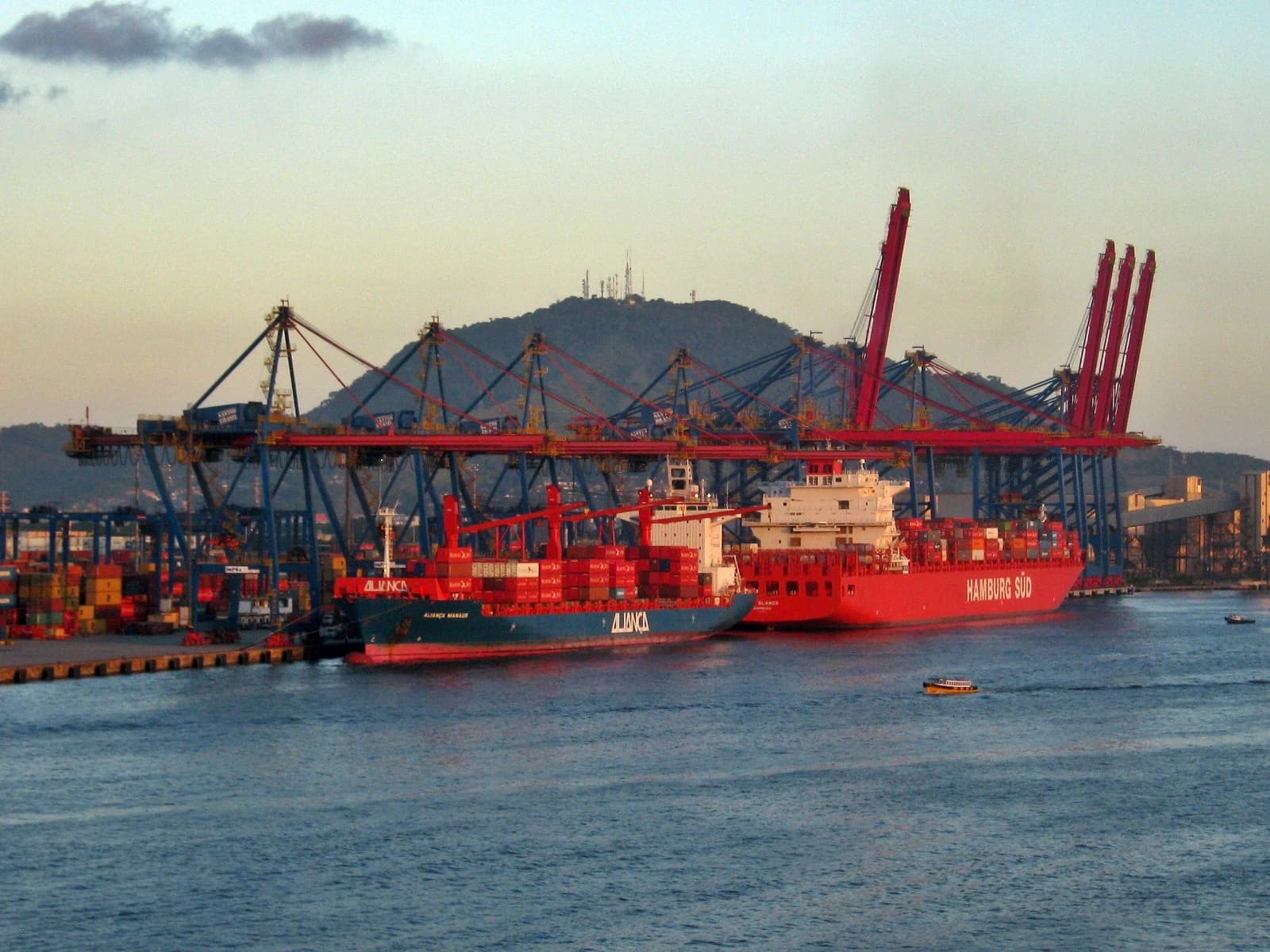
Brasília said the U.S. action is unjustified, pointing to a $424.5 billion U.S. surplus in goods and services trade with Brazil over the past 15 years and arguing Washington has no economic case for fresh duties. The government also said 76% of U.S. imports into Brazil entered tariff-free in 2025, with an average applied rate of just 3.1%, underscoring how much room there is for this dispute to spill beyond headline politics into prices, supply chains and corporate earnings.
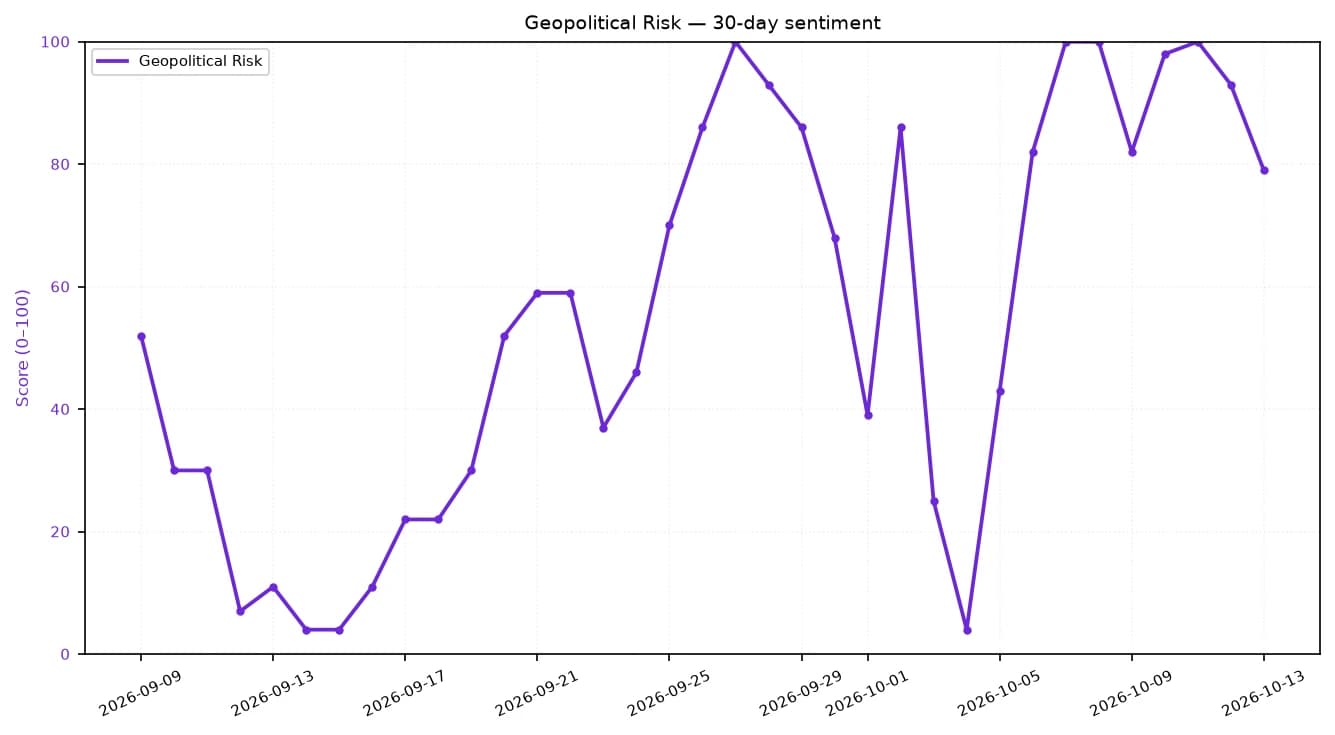
Sentiment Indicators
That matters because Brazil is not just a political target — it is a major global supplier of soybeans, beef, sugar, pulp and other commodities that feed into international food and industrial supply chains. Any escalation raises costs for U.S. buyers, complicates export routing for Brazilian producers and risks redirecting trade toward China, Europe and other markets. The government’s response — seeking diplomatic talks, invoking reciprocity rules, broadening trade partners and considering a WTO case — is designed to avoid a more damaging cycle of tit-for-tat tariffs that would hit growth on both sides.
For investors, the market is already pricing in stress. EWZ, the flagship Brazil ETF, has been crushed to $31.73 from $42.59 just days earlier, a brutal drawdown that has pushed its relative strength index to 14.6, a level that signals the market is deeply oversold. At the same time, the fund’s close below the 50-day and 200-day moving averages shows this is not a routine pullback but a repricing of Brazil risk after a sharp policy shock. That sets up a classic asymmetric trade: if Brasília wins even partial relief or secures exemptions, the rebound could be violent; if the dispute escalates, exporters and Brazil equities remain under pressure.
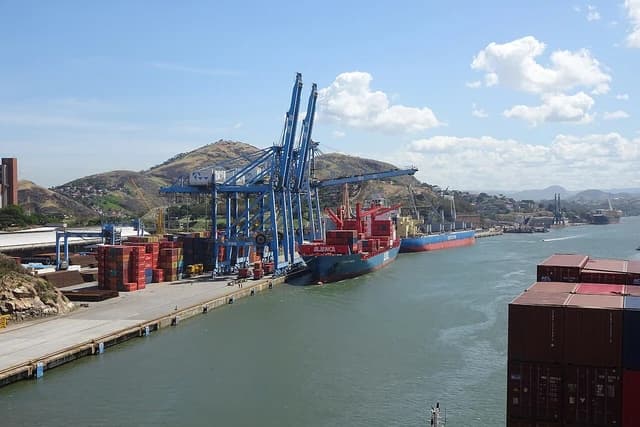
The Brazilian government is trying to frame the fight as one over economic sovereignty rather than ideology, rejecting U.S. criticism of Pix, digital regulation and environmental policy. That broader narrative matters because it suggests this is not a narrow customs dispute but a wider geopolitical and regulatory clash between the world’s largest economy and one of the most important commodity exporters. In the near term, the key catalyst is whether Washington signals room for negotiations or whether Brazil moves quickly toward countermeasures.
Our thesis is simple: the market underestimates how fast this could turn into a tradable dislocation in Brazil assets, especially for exporters and the broader equity basket. For now, investors should favor companies and funds with less direct tariff exposure, while keeping a close eye on agribusiness, logistics and FX-sensitive names that could benefit if the dispute pushes Brazil to diversify trade faster. The next move will likely come from diplomacy, but positioning now matters because tariff shocks can reprice faster than fundamentals.
| Entity | Gains | Losses |
|---|---|---|
| U.S. exporters to Brazil | ▲Potentially less competition if talks succeed | ▼Risk of retaliation and higher trade friction |
| Brazilian exporters | ▲Possible diversification into new markets | ▼Margin pressure from 25% tariffs |
| EWZ and Brazil equities | ▲Rebound if dispute eases | ▼Heavy downside from policy shock |
| Brazilian consumers and workers | ▲Support from government mitigation measures | ▼Higher costs and weaker export demand |