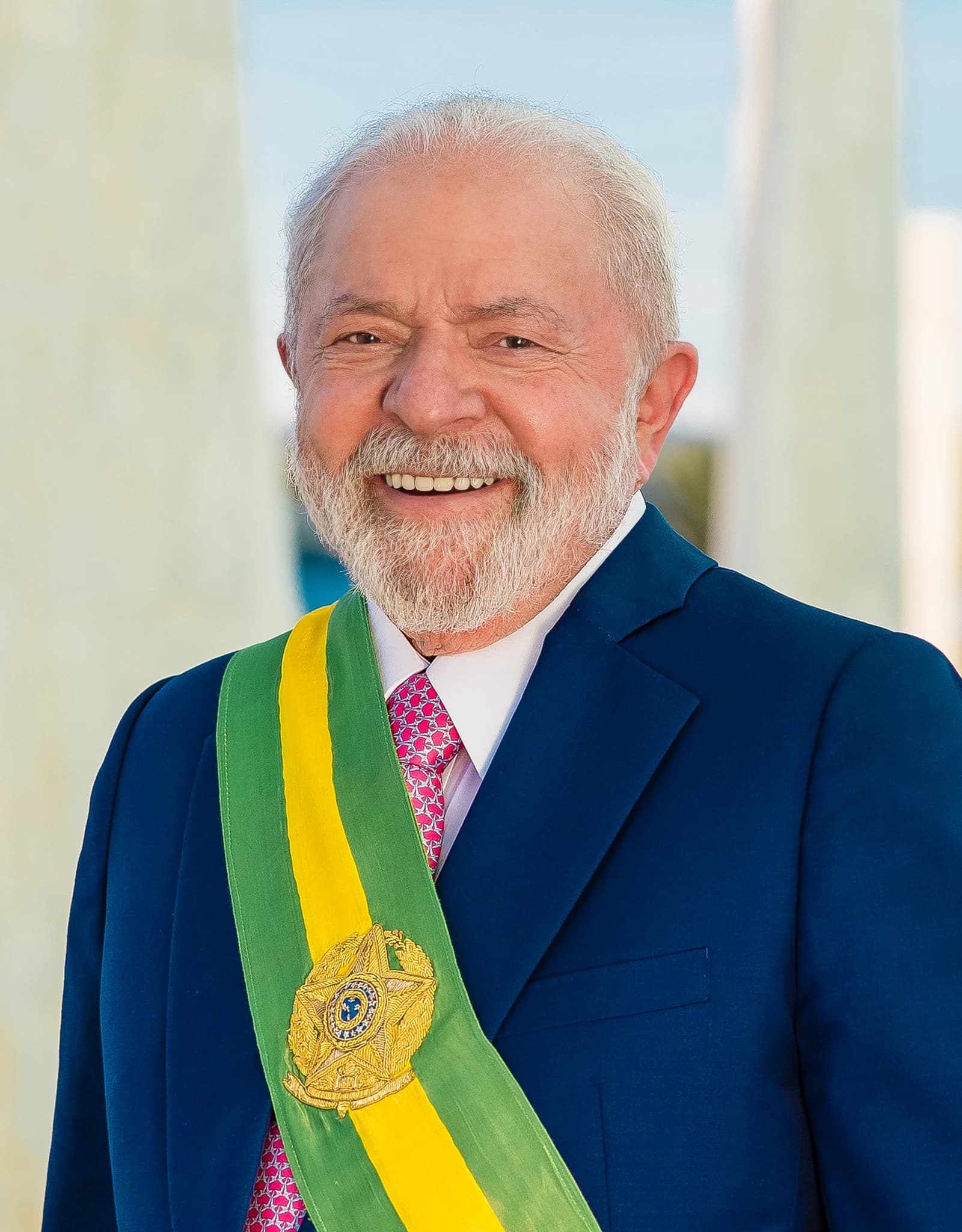
Brazilian President Luiz Inacio Lula da Silva said the U.S. decision to slap 50% tariffs on Brazilian goods from Aug. 1 is “unacceptable blackmail,” escalating a trade dispute that could hit exports, slow growth and keep markets bracing for more currency volatility.
Brazil Lula Calls U.S. Tariffs Unacceptable Blackmail
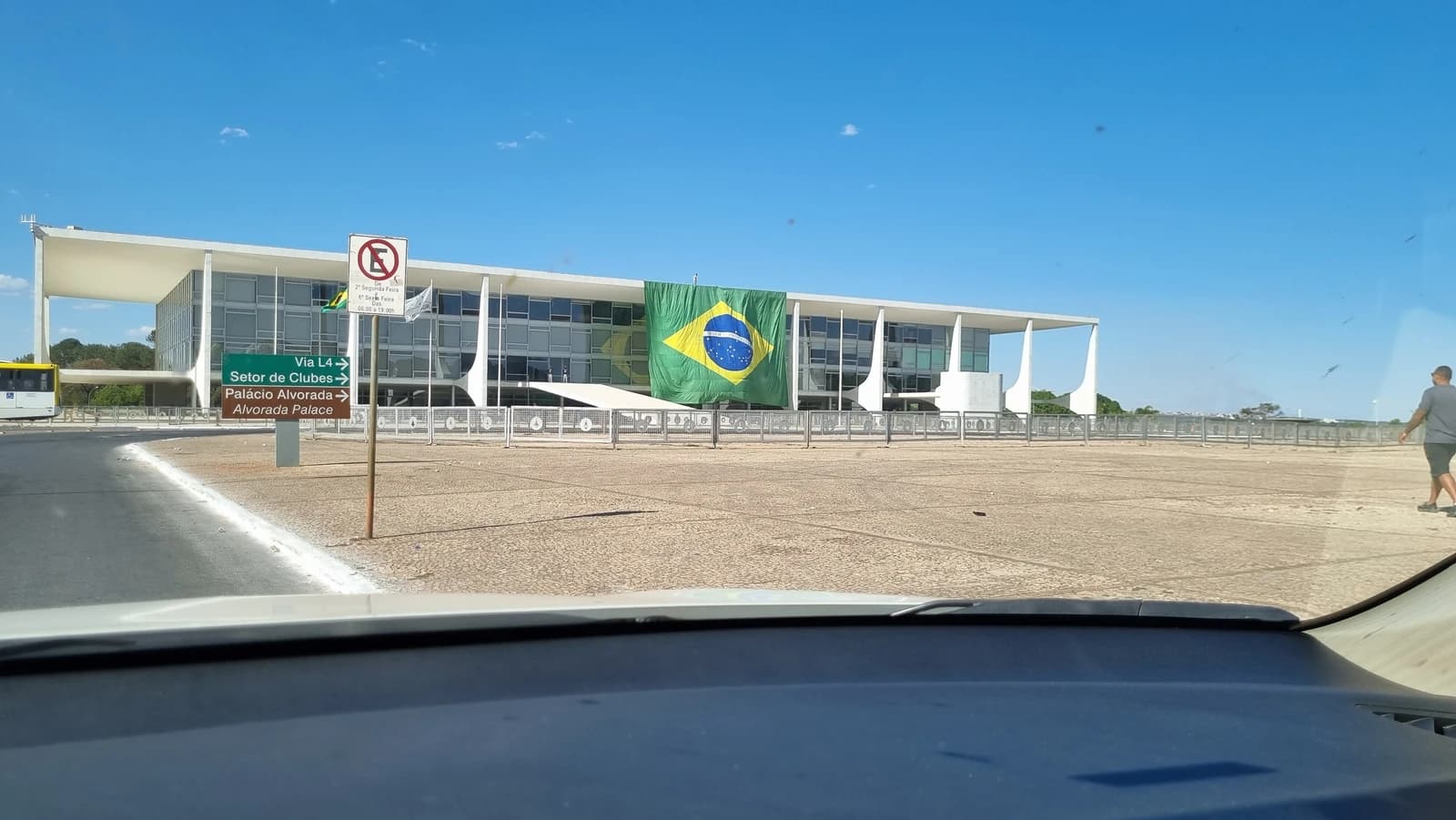
The dispute matters because Brazil sends a wide range of commodities, industrial goods and agricultural products to the U.S., and a tariff of that size would quickly squeeze margins for exporters while raising the risk of retaliation from Latin America’s biggest economy. Lula said Brasilia had already tried to open talks in May and was ignored, framing the move as an attempt by Washington to interfere in Brazil’s institutions on the basis of false information.
Sentiment IndicatorsⓘProprietary · adalytica.com · October 13, 2026
This is a snapshot — live sentiment, awareness and momentum for 130+ markets update continuously in the dashboard.Open AlphaPulse
The Brazilian president paired the economic response with a sovereignty argument, saying the country belongs to Brazilians alone and that foreign firms must obey local law, including digital platforms. He also accused domestic politicians of backing the U.S. pressure, calling them “traitors to the homeland,” underscoring how the tariff fight is bleeding into Brazil’s political arena.
For investors, the immediate question is whether the rhetoric turns into policy. Lula said the government is studying legal measures, including a complaint to the World Trade Organization and use of Brazil’s Reciprocity Law, steps that could prolong uncertainty for exporters, importers and companies with U.S. exposure.
Brazil-focused assets have been volatile as trade tensions intensify, with the iShares MSCI Brazil ETF gaining sharply in recent sessions and the real under pressure in the broader currency market. The move in EWZ has also left the fund well above its 50-day and 200-day moving averages, while the real has stayed near the weaker end of its recent range, reflecting how quickly traders are pricing in policy risk and possible spillovers into inflation and capital flows.
Lula also tied the tariff row to broader themes of national control, citing a halving of Amazon deforestation and defending Pix, Brazil’s instant-payment system, as a public asset. The next market catalyst is any formal Brazilian countermeasure, U.S. response or breakthrough in negotiations before the Aug. 1 tariff deadline.
| Entity | Gains | Losses |
|---|---|---|
| Brazilian exporters | ▲Possible relief if talks succeed | ▼50% tariff hit on U.S. sales |
| U.S. importers | ▲None immediately | ▼Higher input and sourcing costs |
| Lula government | ▲Domestic sovereignty message | ▼Trade friction and policy pressure |
| EWZ / Brazil bulls | ▲Momentum if retaliation stays limited | ▼Risk of volatility if tariffs persist |