Brazil’s Senate foreign relations committee will monitor how President Luiz Inácio Lula da Silva’s government responds to the U.S. 25% tariff on selected Brazilian exports, adding political scrutiny to a trade shock that now covers about 18% of Brazil’s shipments to its largest external market.
Brazil Senate Monitors U.S. Tariff Response

The move matters because the tariff is not just a bilateral irritant; it threatens a meaningful slice of Brazil’s export earnings and forces Brasília to choose between retaliation, negotiation and domestic support. The government has already answered with R$18.5 billion in subsidized credit for exporters and strategic sectors, underscoring that the dispute is being treated as a macroeconomic issue rather than a narrow trade quarrel.
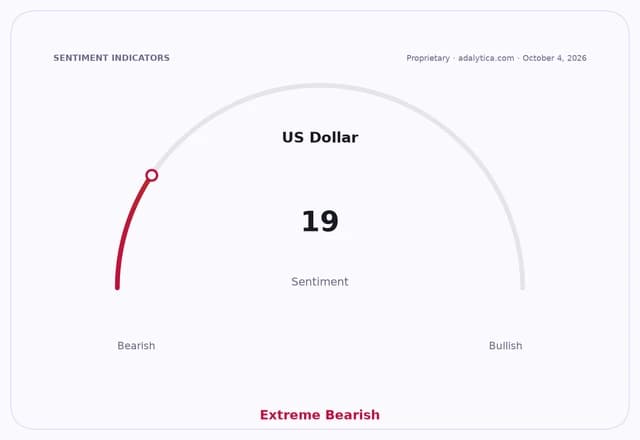
Sentiment IndicatorsⓘProprietary · adalytica.com · October 4, 2026
This is a snapshot — live sentiment, awareness and momentum for 130+ markets update continuously in the dashboard.Open AlphaPulse

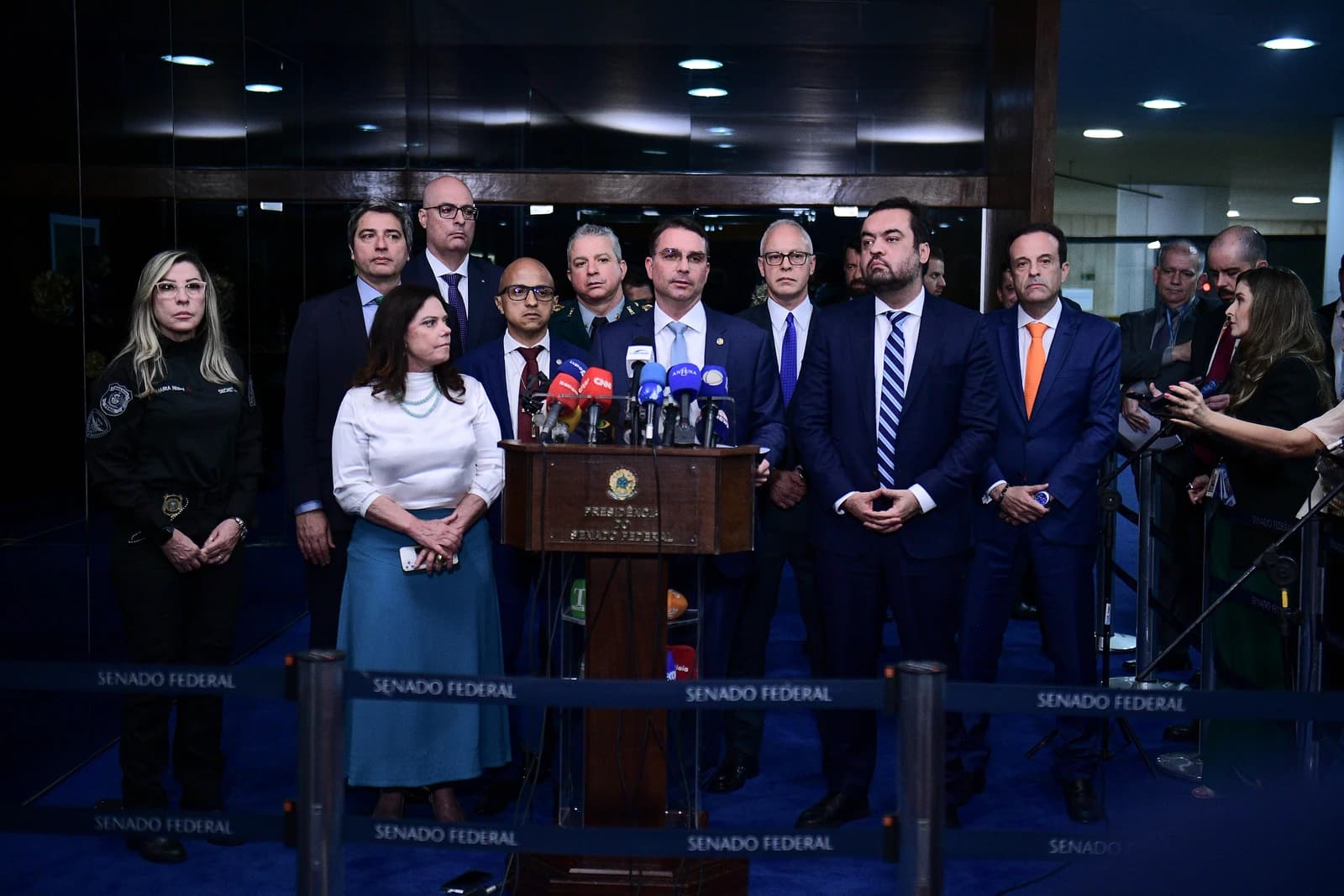
The Senate’s Commission on Foreign Relations, chaired by Senator Nelsinho Trad, said it will assess the economic impact of the levy and review the alternatives presented by the executive branch. Trad has asked the Ministry of Development, Industry, Commerce and Services for details on the application of Brazil’s Economic Reciprocity Law, studies by the foreign trade chamber Camex and any need for legislative changes.
The tariff, which took effect on July 22, applies to about 3,000 Brazilian products and, according to the ministry, affects exports worth R$37.6 billion based on 2024 data. That scale makes the issue relevant for growth, industrial output and the exchange rate, especially if companies delay shipments, absorb margins or redirect flows to other markets.
For investors, the dispute raises the stakes for Brazil’s export-heavy sectors, from agribusiness and protein producers to industrial exporters with U.S. exposure. The government’s credit package may cushion near-term stress, but it does not fully offset the risk of lost demand, higher financing costs and pressure on corporate earnings if the tariffs persist.
The political dimension is also important. By involving the Senate, the government is signaling that tariff policy could become a broader institutional test of Lula’s response to Washington. That matters for market confidence because a coordinated policy response can limit uncertainty, while a more confrontational path could prolong volatility in trade-sensitive assets.
The commission is set to discuss on Aug. 4 ways to expand access for Brazilian products to international markets, with a focus on animal proteins and participation from both government and private-sector representatives. That effort reflects a second-order consequence of the tariff fight: Brazil is being pushed to diversify buyers and reduce dependence on the U.S. market, even as it seeks a negotiated settlement.
Technically, Brazil-focused assets have already reflected the turbulence. The iShares MSCI Brazil ETF, EWZ, has traded with elevated volatility, while Petrobras shares have held up better, suggesting investors are differentiating between tariff-exposed exporters and companies with less direct sensitivity to the dispute. The broader backdrop remains fragile, with Adalytica’s global stability gauge showing extreme fear and its U.S. dollar trade signal still in fear territory, a reminder that trade shocks can feed risk aversion across emerging markets.
The main question now is whether the working group formed by Brazil and the U.S. can contain the dispute before it becomes entrenched. If negotiations ease the tariff burden, Brazilian exporters and the real could regain some ground; if not, pressure will mount for more aggressive retaliation, deeper support measures and a wider rethink of Brazil’s trade strategy.
| Entity | Gains | Losses |
|---|---|---|
| Brazilian exporters | ▲Credit support, diversification efforts | ▼U.S. market access |
| Lula government | ▲Policy room, domestic backing | ▼Fiscal costs, political scrutiny |
| U.S. importers/consumers | ▲— | ▼Higher costs, fewer Brazilian goods |
| Brazil trade rivals | ▲Market-share opportunities | ▼— |