Venezuela’s bid to secure as much as $17 billion in multilateral financing over five years matters less for the size of the ask than for the unresolved debt that still blocks a real return to international credit markets.
Venezuela Seeks $17 Billion in Multilateral Financing
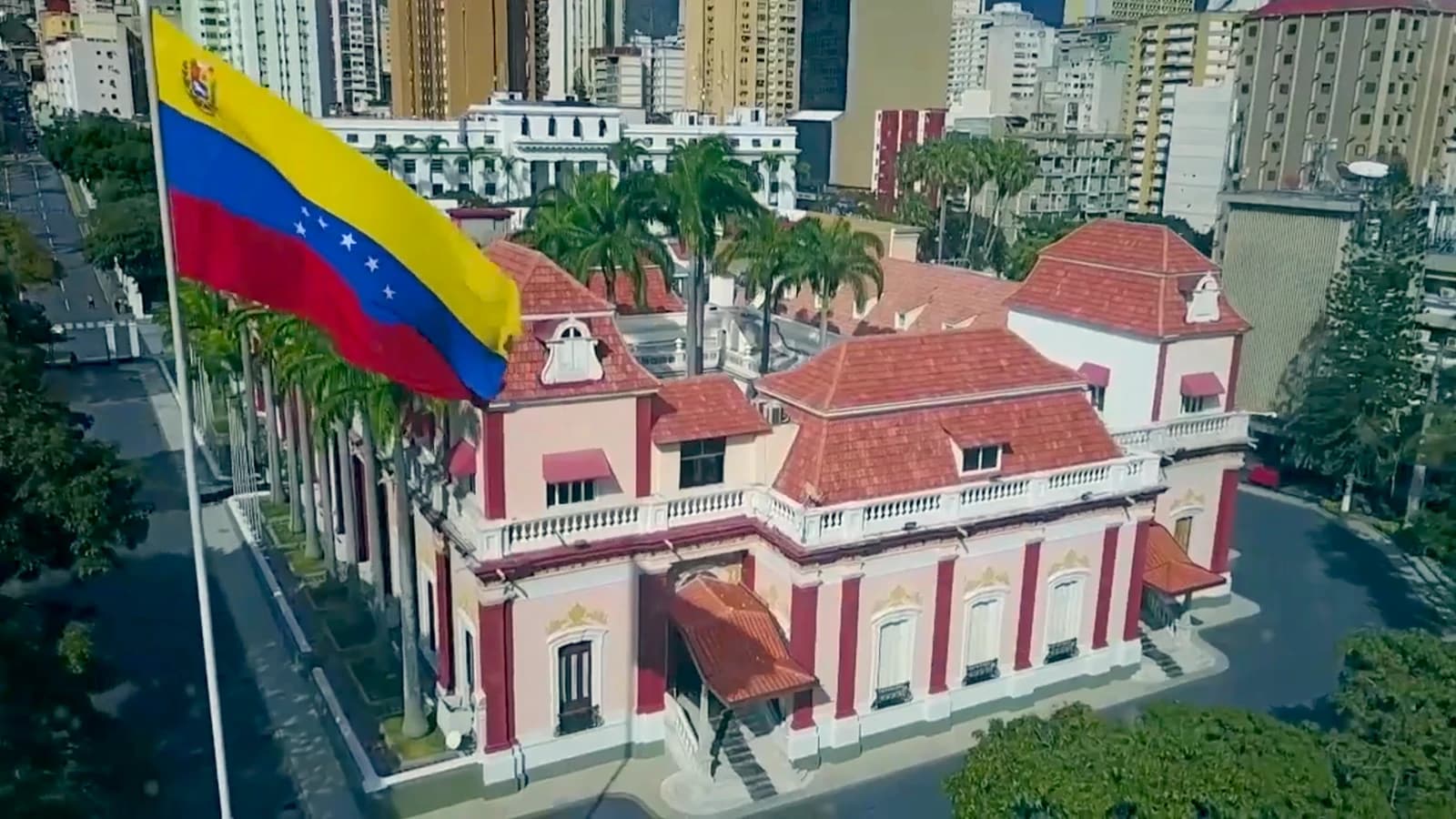
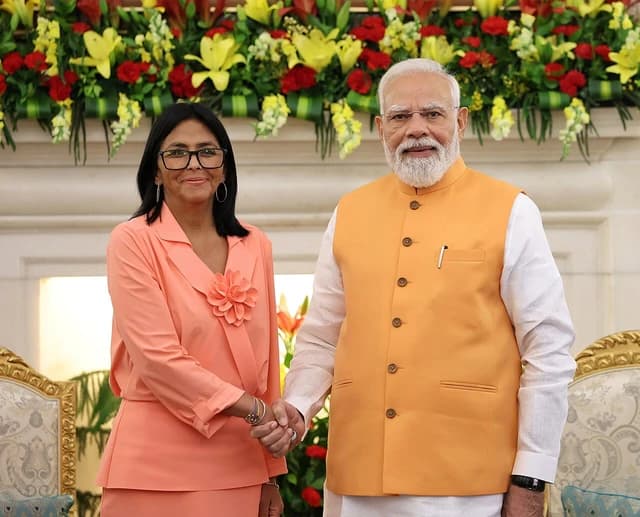
Delcy Rodríguez said the government is in talks with international financial institutions to fund public- and private-sector projects, but she gave no details on lenders, pricing or conditions. That omission is the key issue for investors: Venezuela is trying to reopen access to external capital without yet solving the basic problem of arrears, which means any fresh money would remain more promise than financing.
Sentiment Indicators
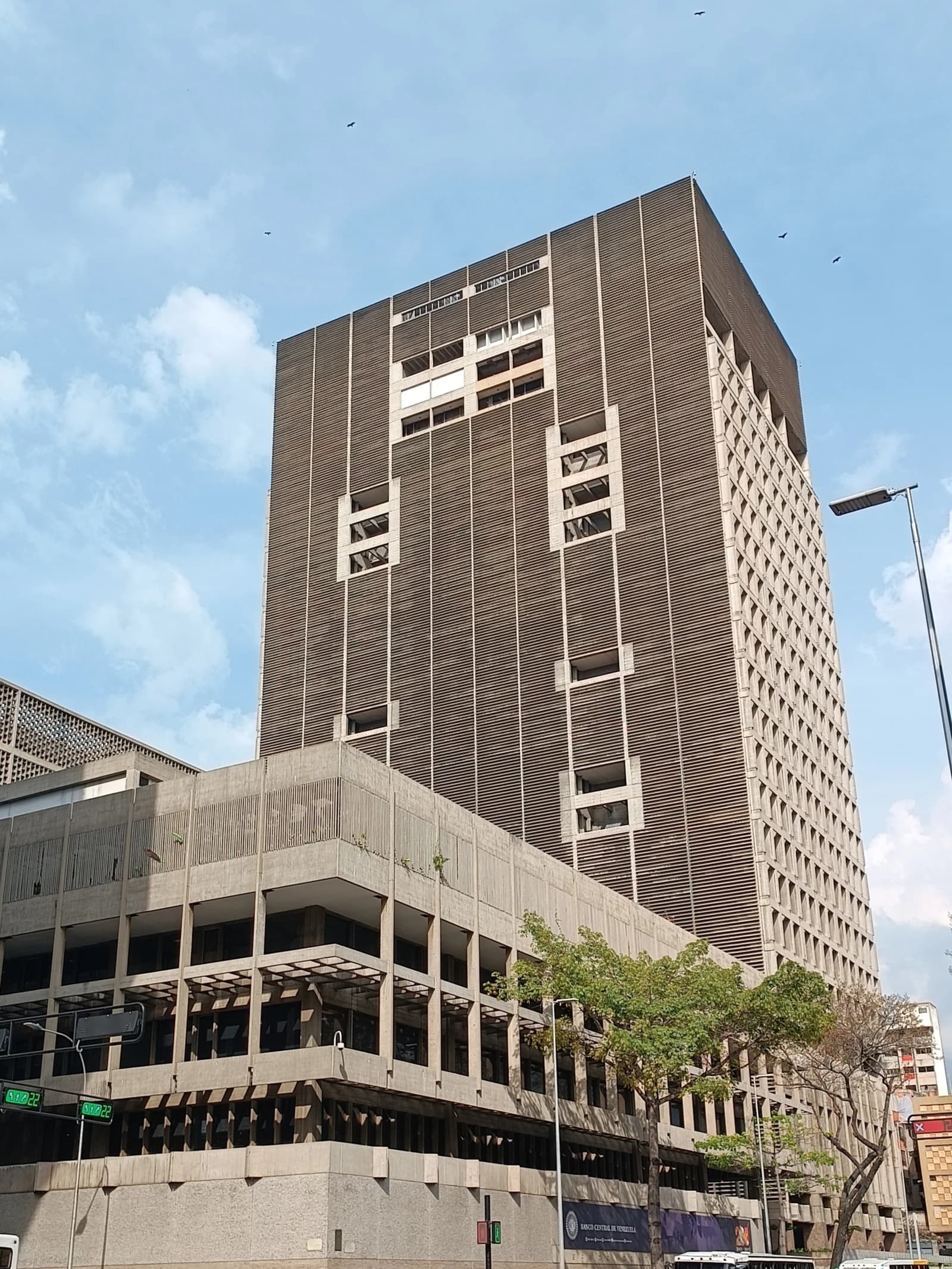
The most immediate hurdle is the country’s outstanding obligations to the Inter-American Development Bank, estimated at about $2.5 billion. The IDB restored formal relations with Venezuela in June after accepting the appointment of Calixto Ortega as the country’s representative, but that diplomatic reset did not remove the debt overhang. In practice, the re-engagement can reopen conversations, yet it does not unlock lending until the old arrears are addressed. That is why Rodríguez’s headline figure should be read as an aspiration, not a committed funding package.
The announcement came during the annual conference of Conindustria, where Rodríguez cast the talks as an effort to channel capital into production rather than consumption. That framing reflects Caracas’ need to lift domestic supply after years of economic contraction, shortages and underinvestment. For Venezuelan companies, access to multilateral financing would be meaningful because it could support working capital, imports of inputs and industrial recovery. For the state, it would offer a rare source of foreign currency outside oil receipts.
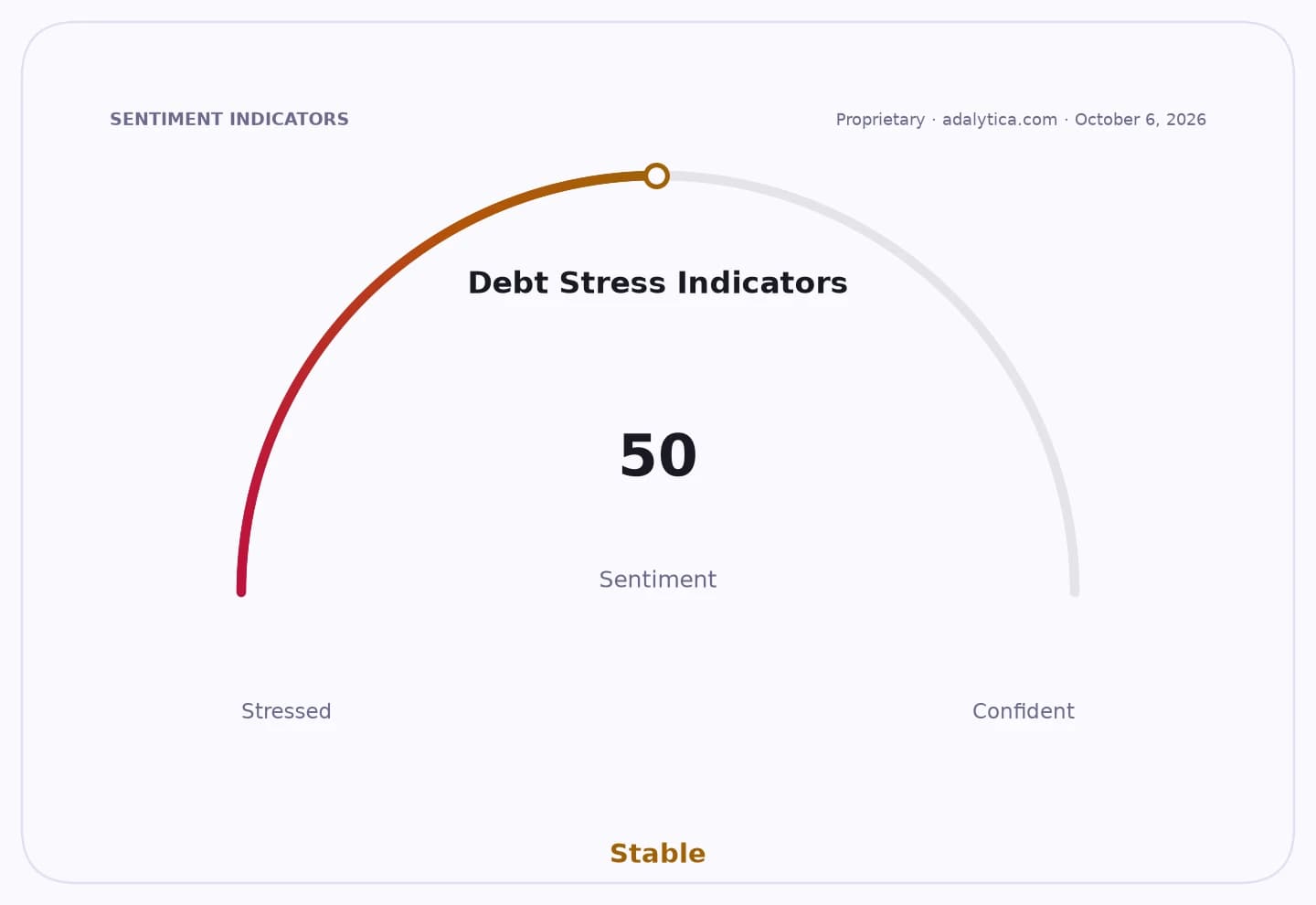
Debt Stress Indicators
But the economics remain fragile. Venezuela is still one of the region’s most sanctioned and credit-restricted economies, and international lenders will want clarity on repayment capacity, governance, project selection and whether the government can honor existing commitments. The absence of those details means the market will likely treat the announcement cautiously. Without a credible arrears settlement, multilateral money is unlikely to arrive at scale, and private capital will stay on the sidelines.
There is also a broader macro read-through. The government’s pitch underscores how dependent Venezuela remains on external institutions to finance a recovery that its own fiscal base cannot support. If the talks advance, they could help ease bottlenecks in industry and improve supply conditions over time. If they stall, the country will be left with the same structural bind: a need for investment, but a debt stock that still refuses to disappear.
| Entity | Gains | Losses |
|---|---|---|
| Venezuelan government | ▲Talks reopen financing channel | ▼Must settle arrears first |
| Private companies | ▲Potential access to project funding | ▼Uncertain disbursement timing |
| IDB / multilaterals | ▲Opportunity to re-engage | ▼Credit risk remains high |
| Existing creditors | ▲Prospects of repayment | ▼Delayed by new financing push |