Venezuela’s October inflation reading fell to 6.2%, the lowest in two years, and that matters because it gives an economy long defined by price instability a rare window for planning, spending and rebuilding confidence.
Venezuela October inflation falls to 6.2%
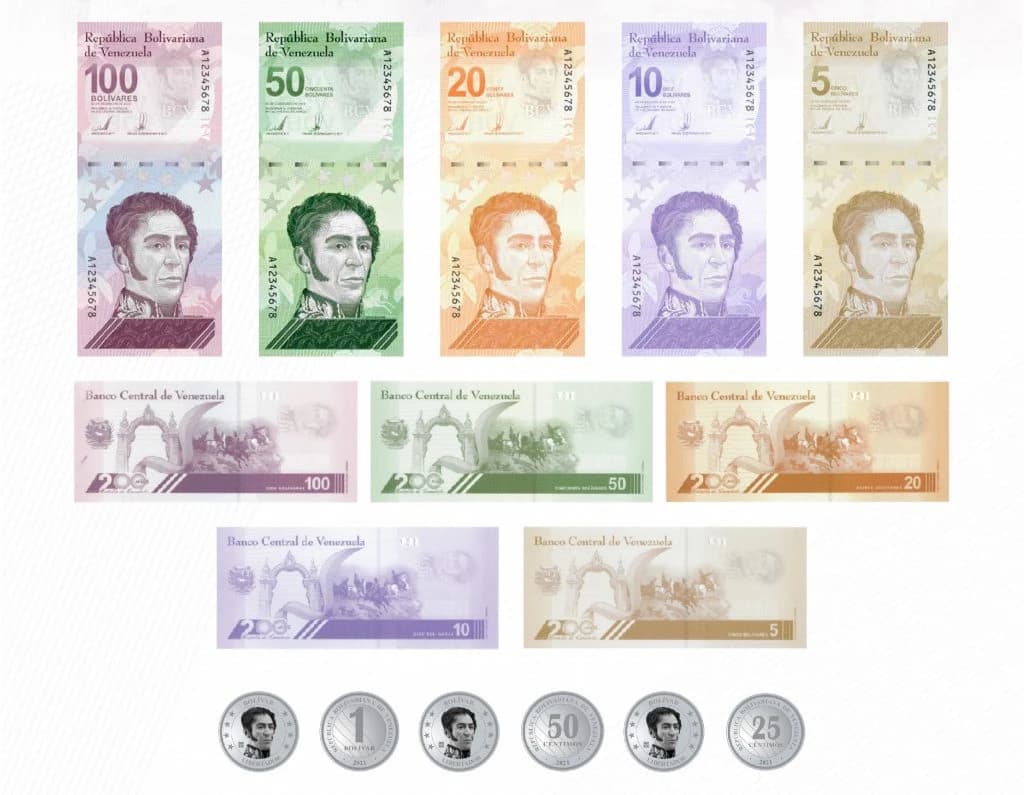
For investors, the significance is less about the monthly number itself than what it could mean if a promised $17 billion finance boost actually reaches the economy. More funding would ease pressure on imports, support basic commerce and potentially steady the bolivar, which has been one of the biggest drivers of Venezuela’s persistent price swings.
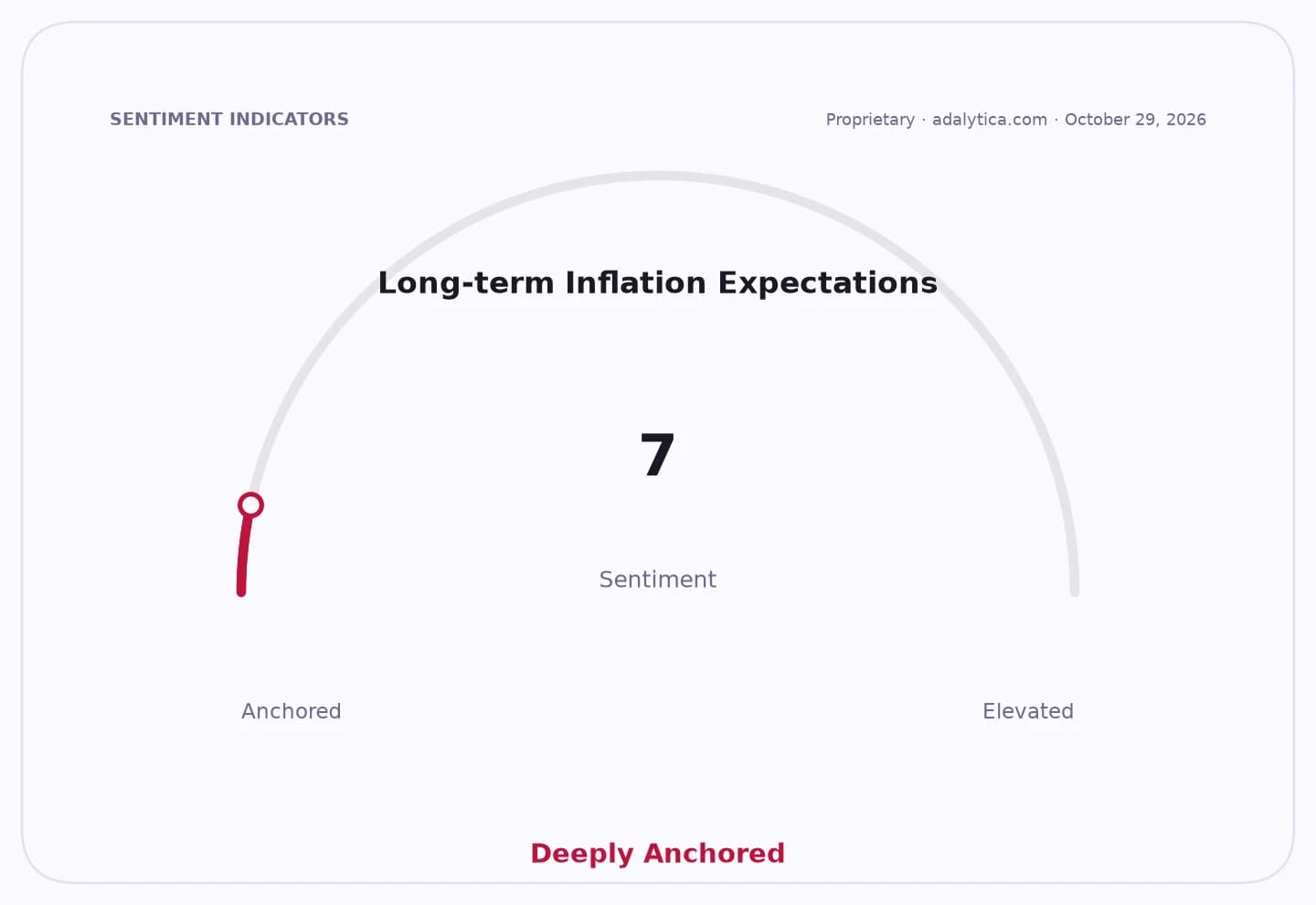
Sentiment Indicators
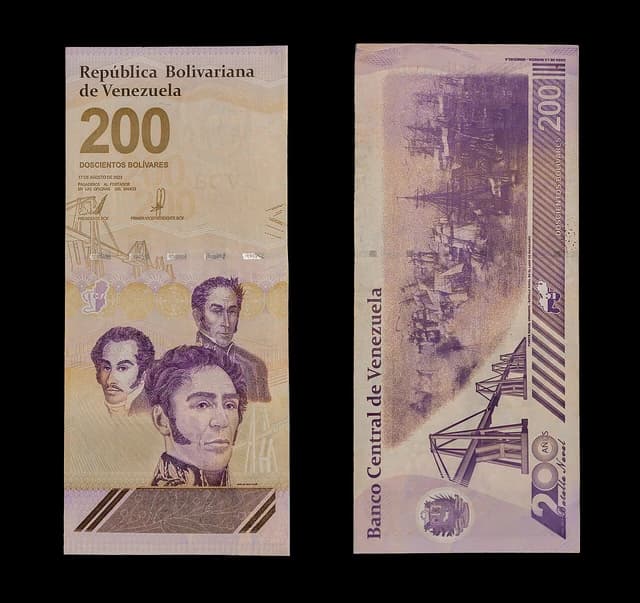
A slower inflation pace is economically important because it can begin to restore something Venezuela has badly lacked: visibility. When prices are racing higher, households rush to spend, businesses cannot set prices with confidence and wages lose value almost as soon as they are paid. A cooler inflation rate, even one that remains far above stable-economy norms, can reduce that scramble and improve day-to-day liquidity.
That is why the reported improvement matters beyond statistics. Venezuela has spent years moving between crisis and partial stabilization, and every sign of easier price pressure raises the question of whether this time is different. Labor groups are still demanding inflation-adjusted bonuses, a reminder that ordinary workers have not felt relief evenly and that social tensions remain intact.
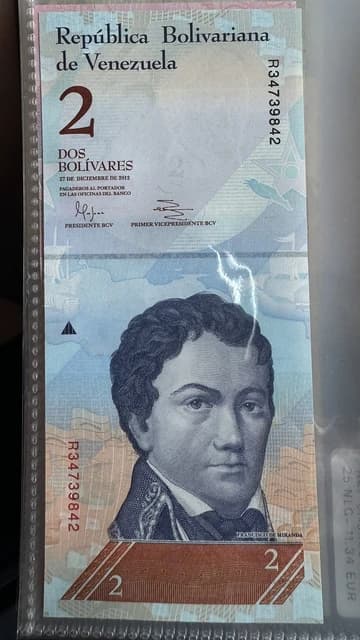
The political backdrop also matters. The return of opposition leader Maria Corina Machado after nearly a year in exile adds another layer of uncertainty, but also highlights how closely Venezuela’s economic future is tied to its political trajectory. Investors know that in a country where policy, sanctions and access to capital all shape the real economy, politics can matter as much as inflation data.
The market lens is straightforward: lower inflation can support domestic consumption, help local financial assets stabilize and reduce the risk premium around Venezuela-related exposure. But the bigger long-term takeaway is that sustained disinflation would be a prerequisite for any durable recovery in trade, credit and investment.
That is still a big “if.” Venezuela has a long history of temporary calm followed by renewed stress. For investors, the right response is not to chase a headline but to watch whether inflation keeps easing, financing actually arrives and the political environment becomes more predictable. If those pieces stay in place, this could be the kind of stabilization that eventually compounds into a real recovery.
| Entity | Gains | Losses |
|---|---|---|
| Venezuelan households | ▲Slower price erosion | ▼Wage pressure remains |
| Local businesses | ▲Better pricing visibility | ▼Cost inflation persists |
| Potential investors | ▲Lower macro risk | ▼Policy and political uncertainty |
| Workers demanding bonuses | ▲More room for real wages | ▼Relief still uneven |