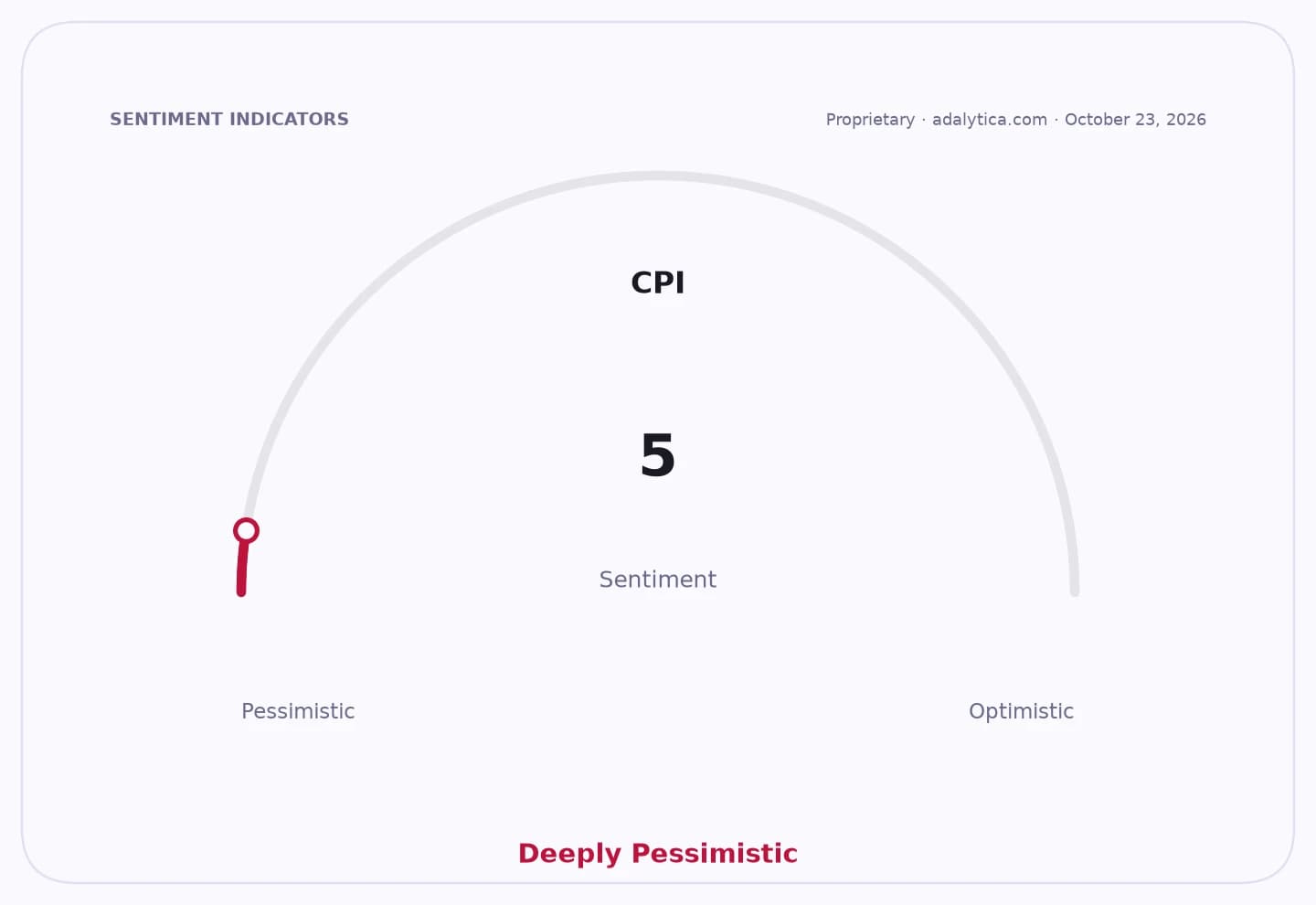
The Philippine central bank is signaling that borrowing costs are set to stay restrictive for longer, as inflation remains far above target and policymakers see little room to ease until price pressures cool more convincingly.
Philippine BSP Keeps Rates Higher for Longer
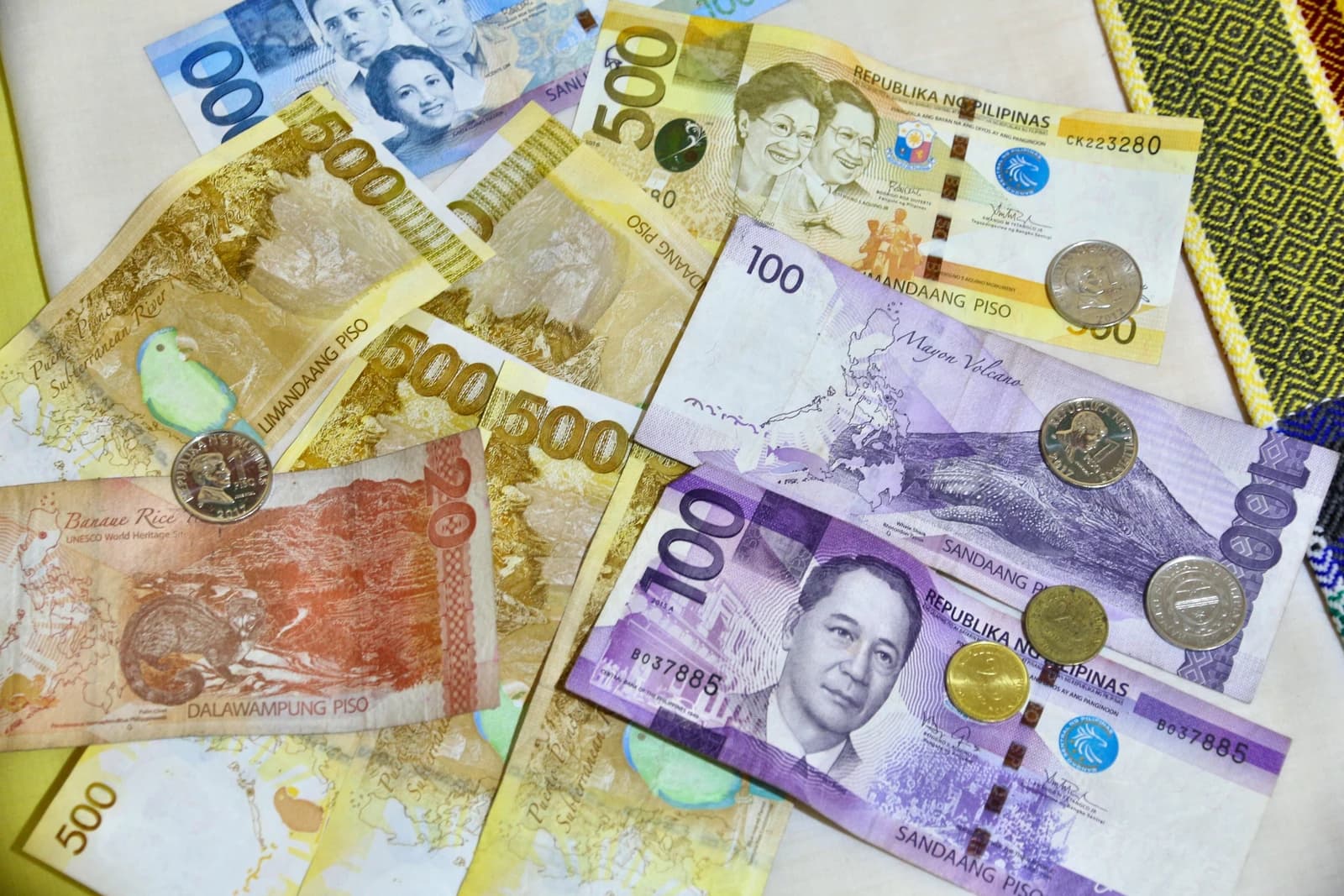
Bangko Sentral ng Pilipinas Governor Eli Remolona Jr. said the bank remains in a tightening cycle after headline inflation held at 7.2% in September, more than double the government’s 3% target. The BSP raised its policy rate by 50 basis points last month and has lifted rates by 125 basis points this year, underscoring how persistent food and energy pressures are forcing officials to keep growth on the back foot in the near term.
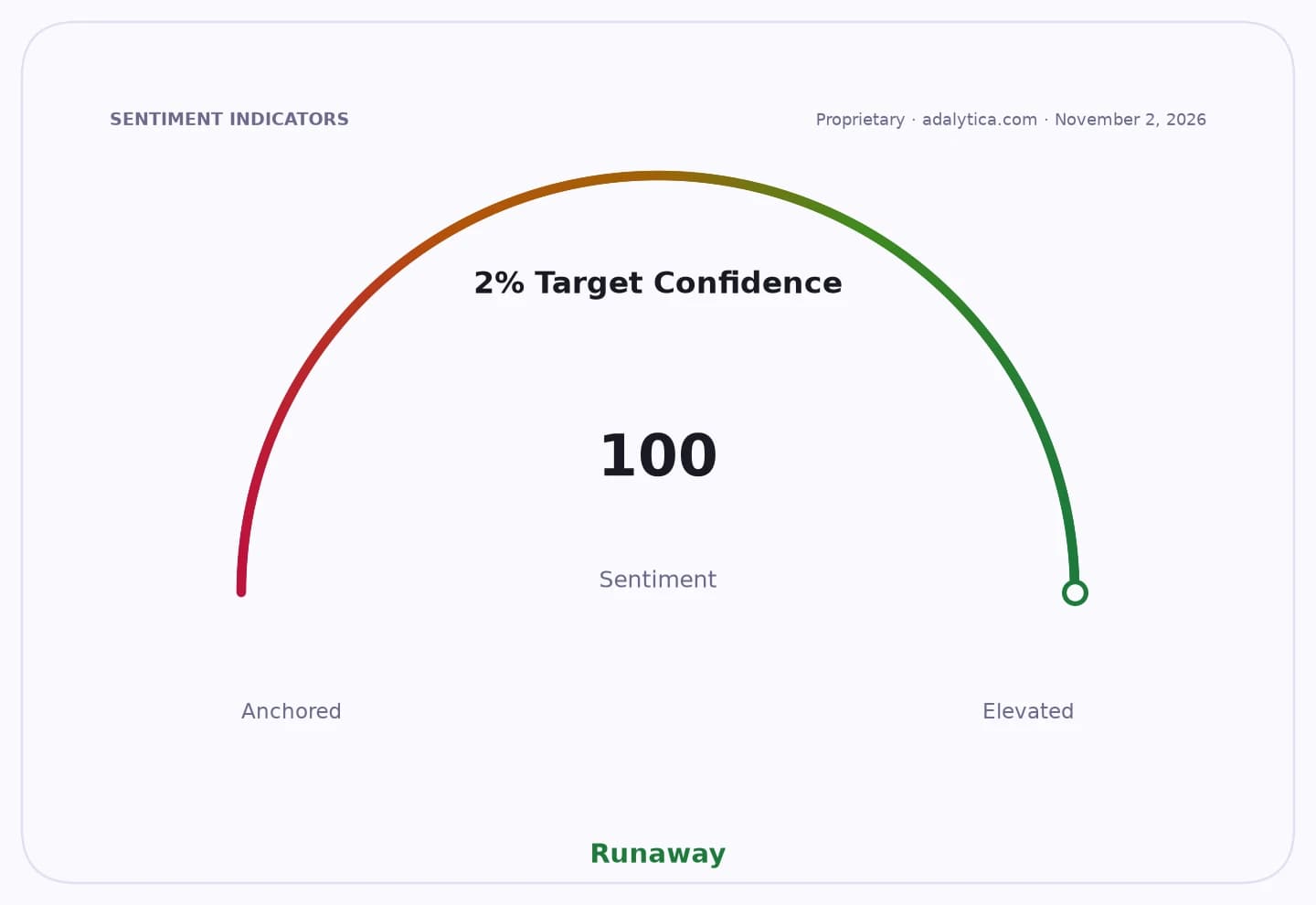
Sentiment Indicators

That stance matters because the Philippines is trying to thread a narrow path between restoring price stability and preserving momentum in an economy that is still recovering from the hit to household purchasing power. The central bank now expects average inflation of 6.1% this year, with prices not seen returning close to target until 2028, a timeline that suggests real interest rates may remain tight enough to restrain credit demand, housing activity and investment.
For investors, the message is that policy support is not coming quickly. Higher-for-longer rates tend to keep pressure on equities tied to domestic consumption and leveraged balance sheets, while offering some support to the peso by narrowing the gap with higher global yields. They also increase the odds that banks remain cautious on lending growth even if net interest margins stay relatively firm.
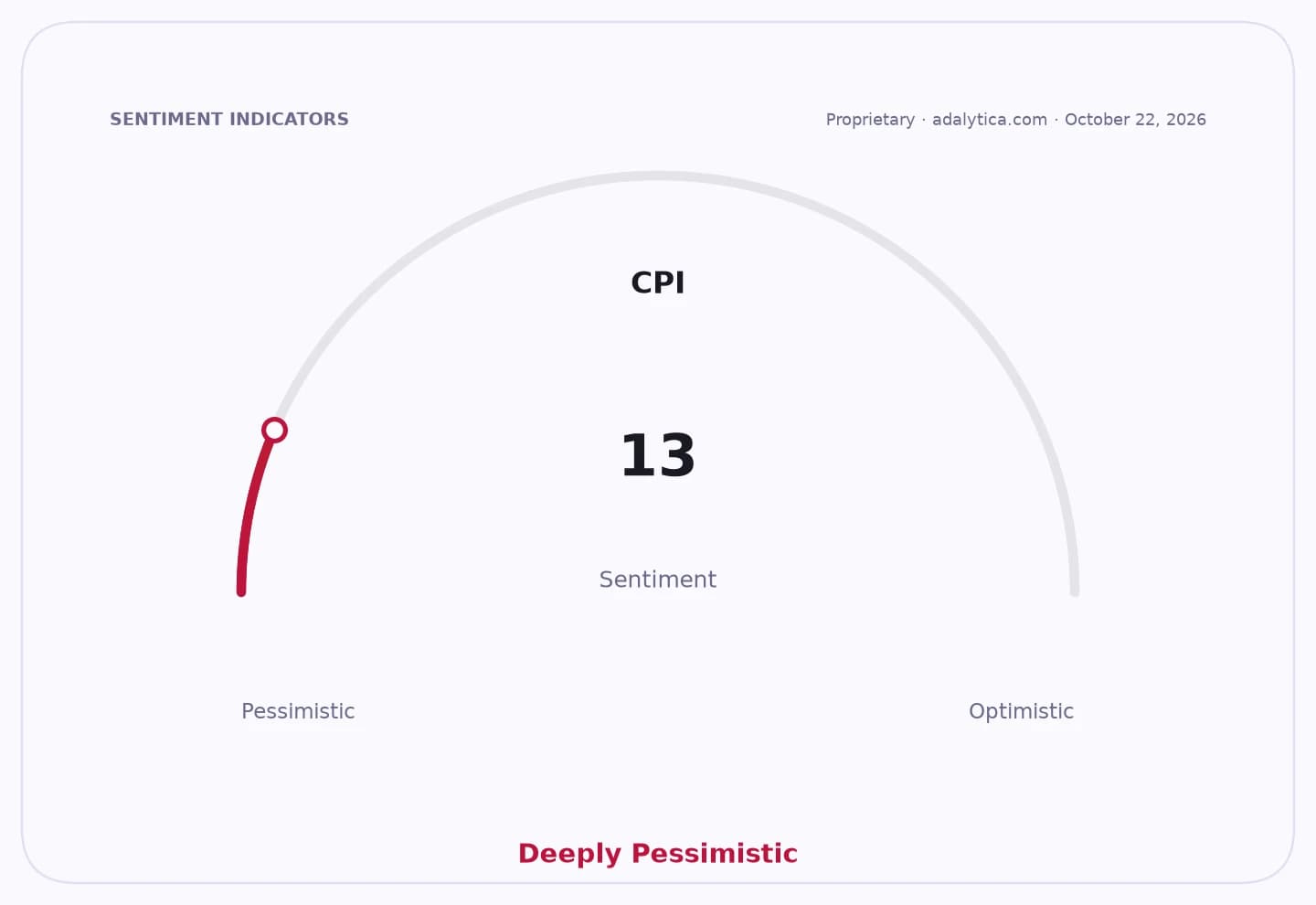
CPI
Remolona said the BSP is weighing inflation against growth, including the output gap, as it decides whether additional tightening is needed. He expressed hope that growth will recover in the fourth quarter or early next year, helped by faster government spending, but that recovery would have to compete with still-elevated price levels and the lagged impact of higher rates.
The broader narrative is that the Philippines, like several emerging markets, is being forced to keep policy tight longer than hoped because inflation has proven sticky. The bull case is that price pressures are nearing a peak and growth may revive once fiscal spending picks up. The bear case is that inflation eases too slowly, keeping the BSP constrained and delaying any relief for consumers, corporates and asset markets.
| Entity | Gains | Losses |
|---|---|---|
| BSP / policymakers | ▲Credibility on inflation | ▼Near-term growth flexibility |
| Peso / fixed income holders | ▲Higher yield support | ▼Longer policy restraint |
| Consumers / borrowers | ▲Future disinflation if it comes | ▼Higher loan costs now |
| Domestic equities / retailers | ▲Eventual recovery on easing inflation | ▼Slower demand and tighter credit |