Sri Lanka’s central bank has decided against lowering its inflation target below 5%, a choice that preserves policy flexibility but also signals that borrowing costs may stay elevated for longer as the economy works through lingering crisis damage and fresh supply shocks.
Sri Lanka keeps 5% inflation target for three years
The Central Bank of Sri Lanka said a sub-5% goal would require a prolonged period of tight monetary policy that could weigh on growth, especially in an economy still recovering from a severe balance-of-payments crisis and recurrent hits from energy, food and weather disruptions. Senior Deputy Governor Chandranath Amarasekara said the bank reviewed whether targets of 2%, 3% or 4% would fit Sri Lanka’s economic structure and concluded: “The answer was no. We are not there yet.”
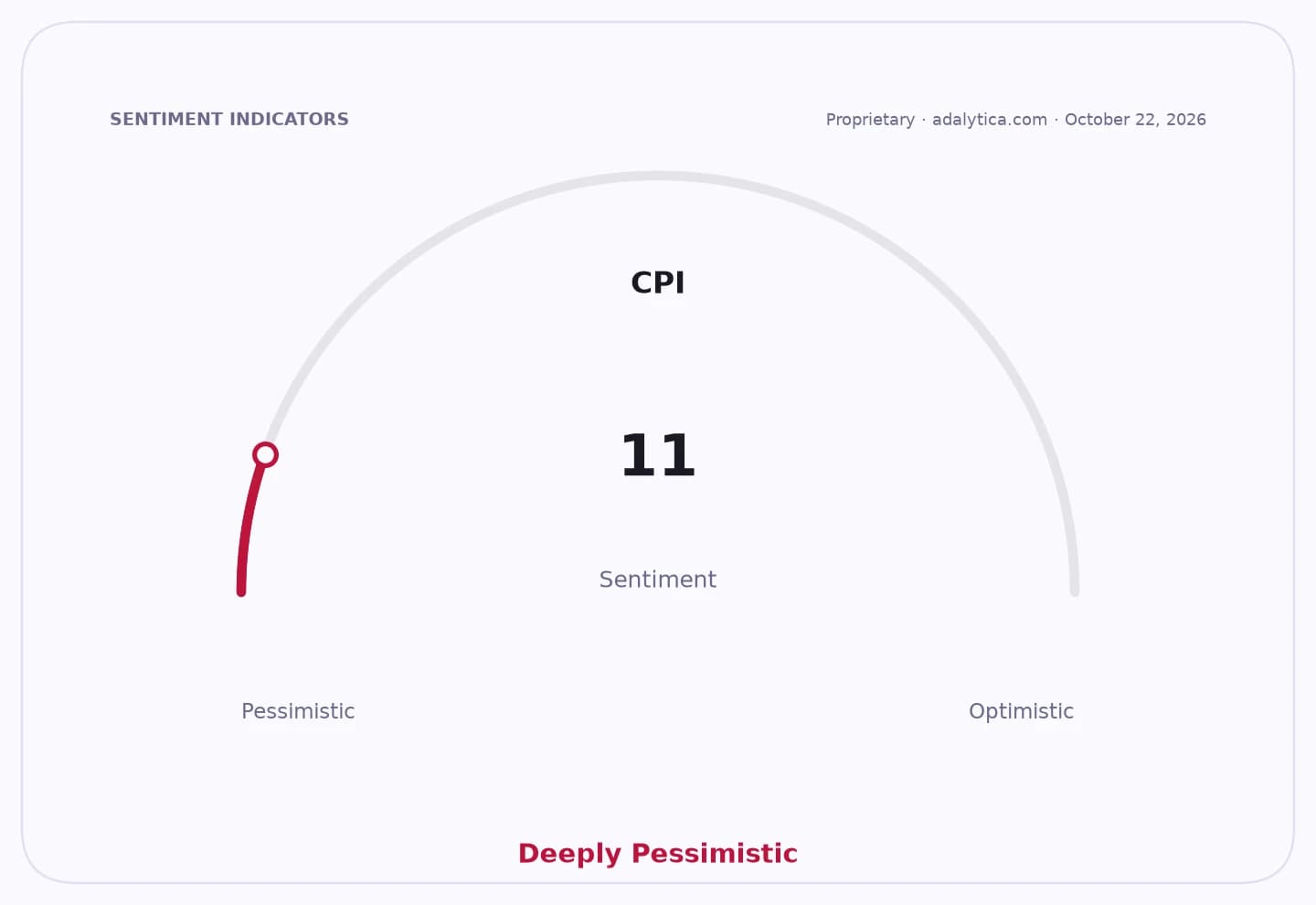
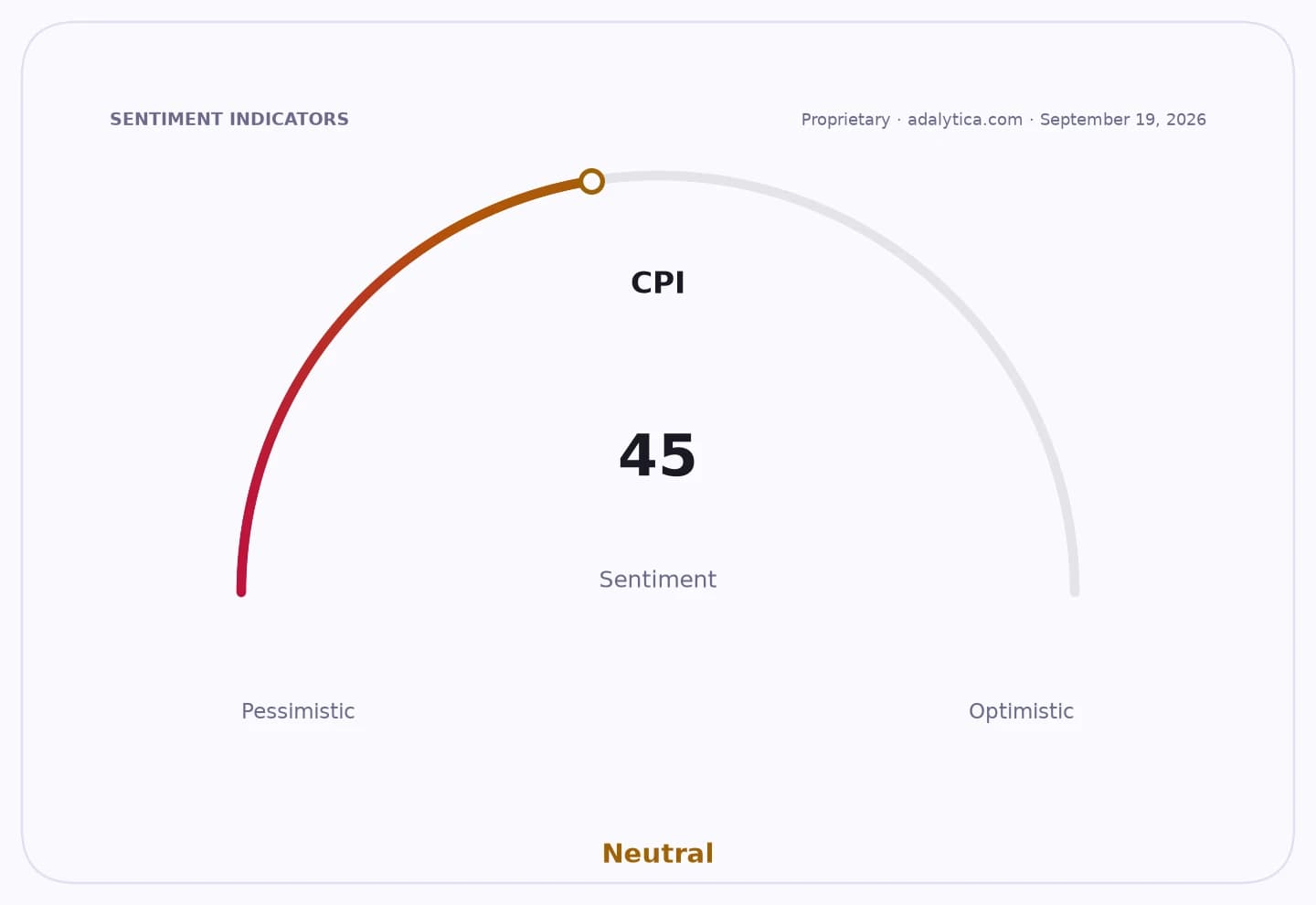
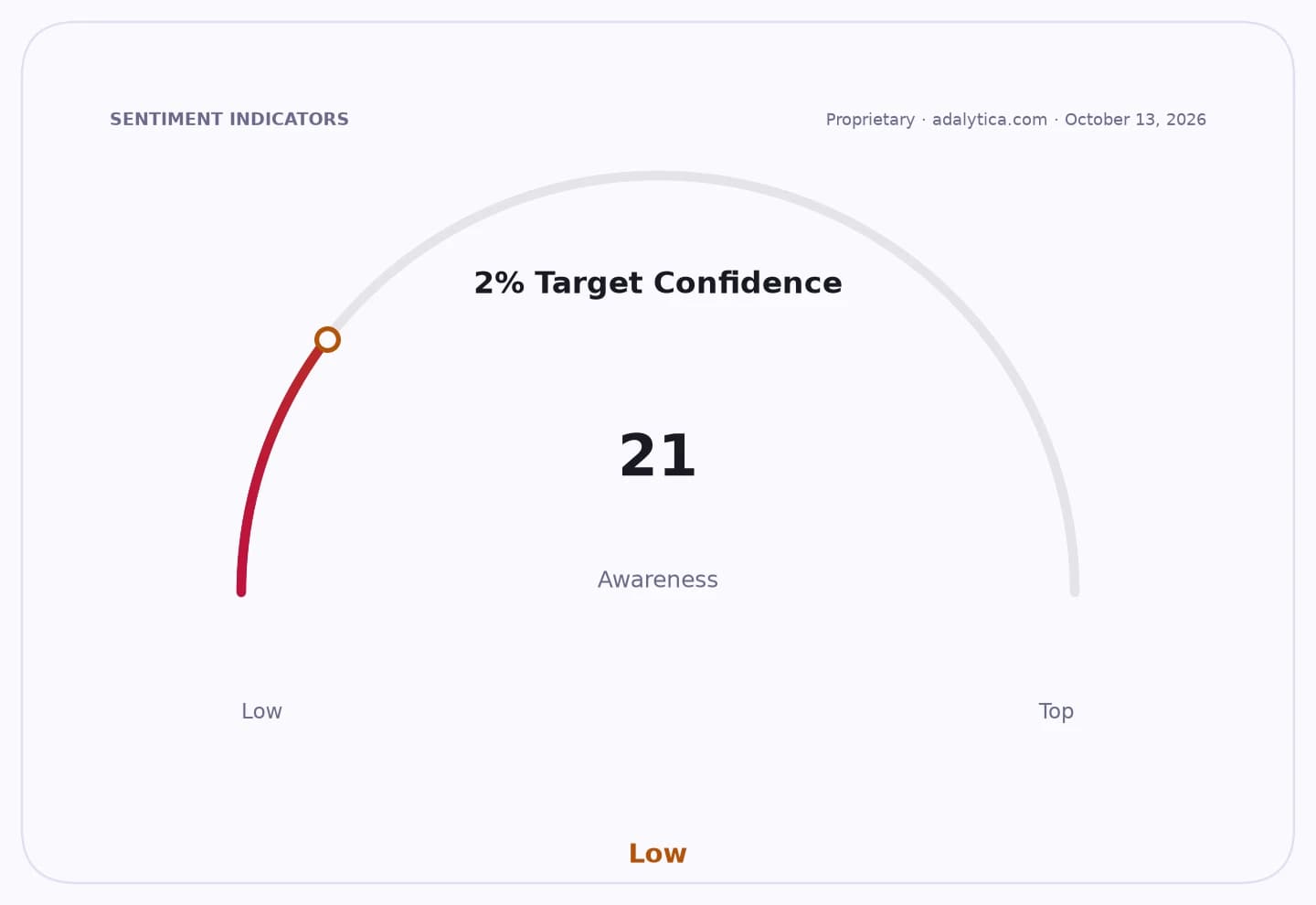
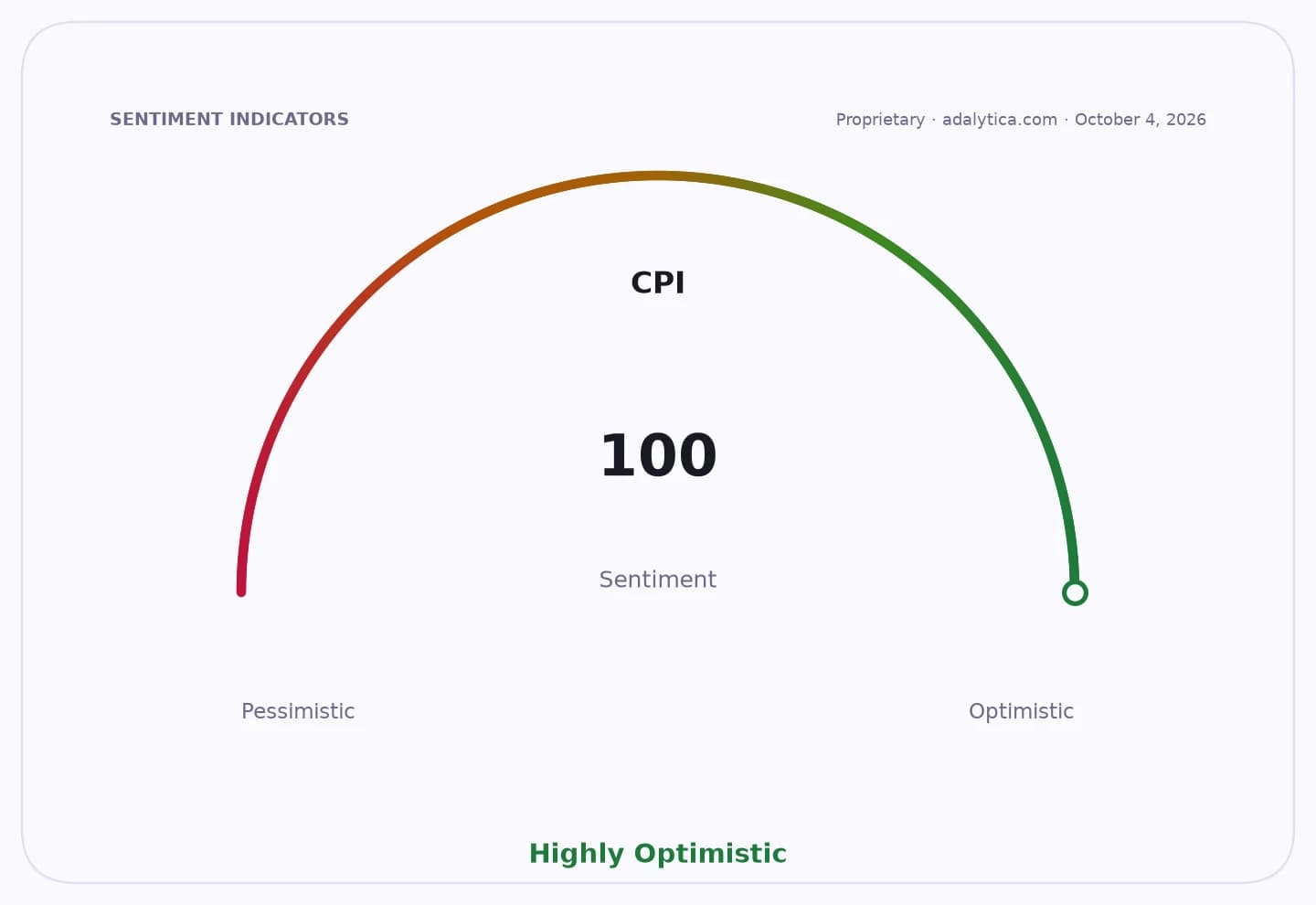
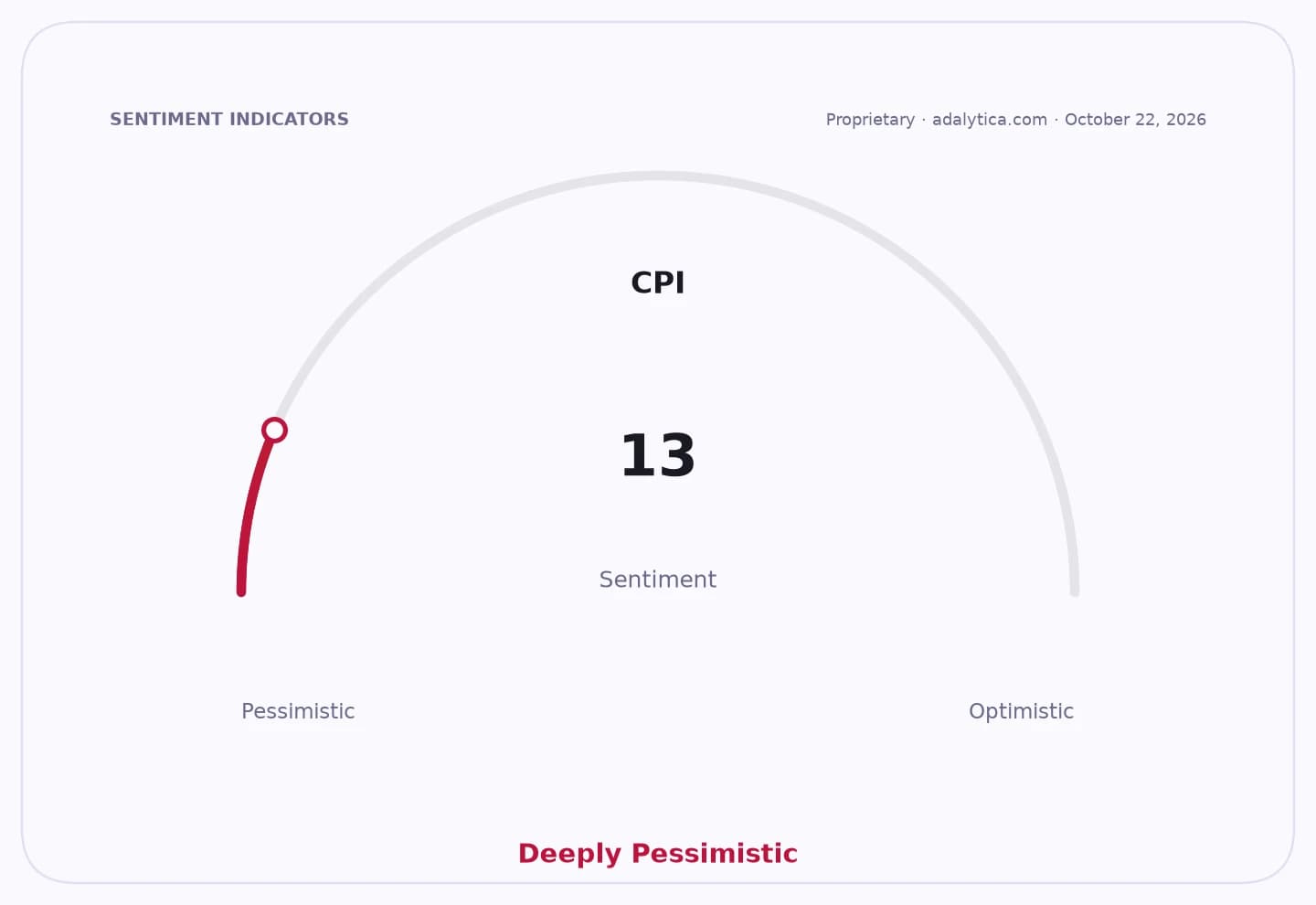
Sentiment IndicatorsⓘProprietary · adalytica.com · October 22, 2026
This is a snapshot — live sentiment, awareness and momentum for 130+ markets update continuously in the dashboard.Open AlphaPulse
The new Monetary Policy Framework Agreement, signed on Oct. 1 by President and Finance Minister Anura Kumara Dissanayake and Governor Nandalal Weerasinghe, keeps the quarterly headline inflation target at 5% for three years, with a ±2 percentage-point accountability band. That means the bank is formally judged on whether inflation remains within a 3% to 7% corridor, rather than being forced into a hard push toward the 2% norms used by many richer economies.
The decision matters because inflation targeting is now one of Sri Lanka’s main anchors for credibility after years of erratic price growth. Amarasekara said inflation averaged 12% from the economy’s opening in 1978 to the end of the civil conflict in 2009, and 11% until formal inflation targeting was adopted in 2023. Against that backdrop, he argued, 5% is a meaningful restraint without being economically damaging. Pushing lower too quickly, he said, would amount to a stricter regime of high rates for longer, at a time when the economy is still rebuilding and inflation is already being driven higher by an energy shock.
For investors, the message is that the central bank is prioritising macro stability over a quick disinflation victory. That may support confidence in policy consistency and reduce the risk of premature easing, but it also raises the odds that real rates stay restrictive and domestic demand recovers only gradually. In bond and currency markets, the stance is broadly supportive of nominal discipline, though it does not create an immediate catalyst for lower yields or a faster credit impulse.
Amarasekara also pushed back against criticism that 5% is too high by global standards. He noted that around 15 inflation-targeting central banks aim for about 2%, but 13 are advanced economies, while only two are emerging markets. Countries more exposed to food and energy shocks typically choose higher targets and wider bands, he said, citing the decades-long path taken by inflation-prone peers such as Indonesia, the Philippines, Brazil and the Czech Republic before they converged closer to 2%.
That framing leaves the door open to a later shift, but not soon. Amarasekara said a gradual move to a lower target could make sense eventually, “but not right now,” and stressed there was no timetable, only further analysis. That cautious approach is consistent with CBSL projections that headline inflation will stay in the high single digits through the first quarter of 2027 before easing back toward target.
The broader narrative is that Sri Lanka is trying to lock in a more credible monetary regime without forcing the economy into a second adjustment shock. The central bank is effectively arguing that in a country still exposed to imported inflation and domestic supply disruptions, a slightly higher but more realistic target may prove more welfare-enhancing than chasing the lower figures that dominate advanced-economy policy debate.
| Entity | Gains | Losses |
|---|---|---|
| CBSL | ▲Policy credibility | ▼Pressure for premature easing |
| Sri Lankan bondholders | ▲Stable inflation anchor | ▼Faster rate cuts |
| Borrowers and households | ▲Avoid sharper tightening | ▼Slower relief on rates |
| Inflation hawks/2% advocates | ▲Long-term debate relevance | ▼Near-term policy influence |