The Philippine central bank shocked markets with a half-point rate increase, signaling it is prepared to prioritize inflation over growth as imported fuel costs, a weaker peso and weather risks threaten to keep price pressures elevated.
Philippine Central Bank Raises Rates by 50 bps
Bangko Sentral ng Pilipinas lifted its overnight reverse repurchase rate to 5.50% from 5.00% and raised the overnight lending rate to 6.00%, far overshooting the quarter-point move most economists had expected. The decision takes total tightening to 125 basis points and moves the BSP into the group of regional central banks that have been forced into more aggressive action as the global commodity shock filters through domestic prices.
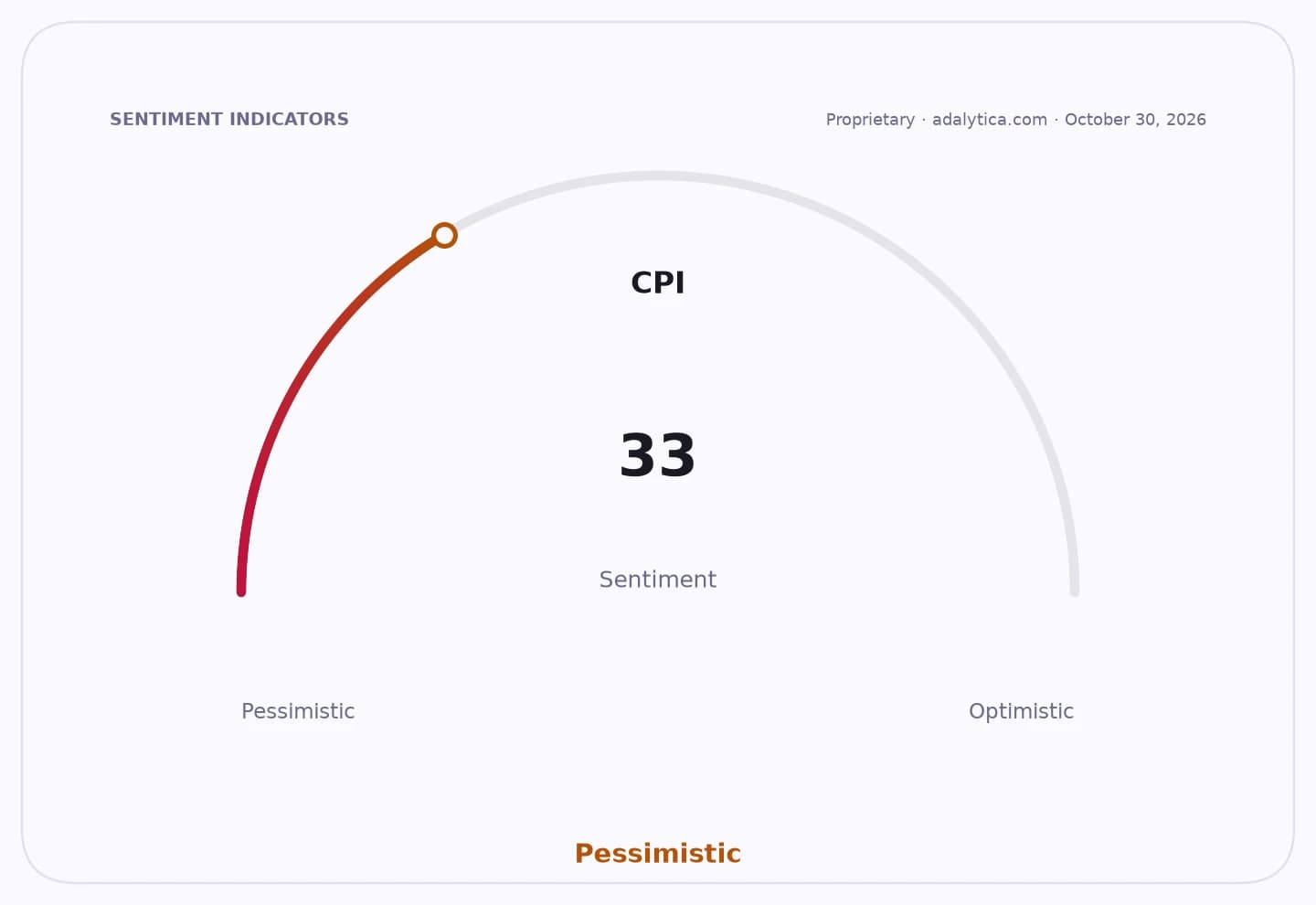
Sentiment Indicators
The move matters because the Philippines is confronting a classic emerging-market trade-off: higher borrowing costs can slow an already fragile recovery, but failing to act risks unmooring inflation expectations and intensifying pressure on the peso. Governor Eli Remolona said the tighter stance would “appropriately tighten monetary conditions” to stop higher energy prices from spreading into broader consumer inflation. That is a clear signal the BSP sees the current bout of inflation not as a temporary spike but as a broader macroeconomic threat.
The stakes are rising as the country faces multiple inflation drivers at once. September inflation climbed back to a more than three-year high, driven largely by the oil shock that has hit energy importers across Asia. The BSP is also bracing for El Nino, which typically lifts food prices by damaging crops, adding a second supply-side pressure point just as households are absorbing more expensive fuel and transport. The central bank said it now expects inflation to average 6.1% in 2026 and sees 2027 inflation at 6%, up from an earlier 5.4% estimate, underscoring that price risks are proving sticky rather than transitory.
For investors, the policy shift has immediate currency and rate implications. The peso strengthened modestly after the announcement but remains about 8% weaker against the dollar this year, leaving imported goods and fuel vulnerable to further price increases. A firmer policy stance can help stabilize the currency, but it also raises the cost of capital for domestic borrowers, banks and companies leveraged to consumption or infrastructure spending.
The bigger question is whether this is the last hike or the start of a longer tightening phase. Capital Economics said the latest move could mark the end of the cycle if energy prices ease early next year, which would allow the BSP to pivot back toward supporting growth. But it also warned that if oil stays elevated and El Nino worsens food inflation, the central bank may need to keep rates higher for longer or tighten again.
That uncertainty is especially important because growth momentum has already weakened. Excluding the pandemic, second-quarter GDP growth was the slowest since late 2009, according to Capital Economics. That creates a narrow policy corridor: too much tightening could deepen the slowdown, but too little could leave the BSP chasing inflation rather than anchoring it. For global investors, the Philippines now looks less like a growth story and more like a test case for how far a central bank can go when external shocks collide with domestic vulnerabilities.
| Entity | Gains | Losses |
|---|---|---|
| Philippine peso | ▲Short-term support | ▼Exporters and importers facing volatility |
| Savers and cash holders | ▲Higher yields | ▼Borrowers and rate-sensitive firms |
| BSP credibility | ▲Stronger inflation-fighting stance | ▼Growth outlook and credit demand |
| Consumers | ▲Lower risk of runaway inflation later | ▼Near-term household spending power |