Japan’s central bank said inflation is edging closer to being anchored around its 2% target, a sign that gives policymakers more room to keep lifting borrowing costs after years of ultra-loose policy.
BOJ Says Inflation Expectations Near 2% Target
In its quarterly outlook, the Bank of Japan said it has made “gradual progress” toward locking in inflation expectations around 2%, citing stronger wage-setting behavior and a rising share of pay deals broadly consistent with that goal. The assessment matters because it strengthens the case that Japan is leaving behind the deflationary mindset that kept rates near zero for decades, and it supports the BOJ’s argument that higher interest rates can now help cool price pressures without derailing demand.
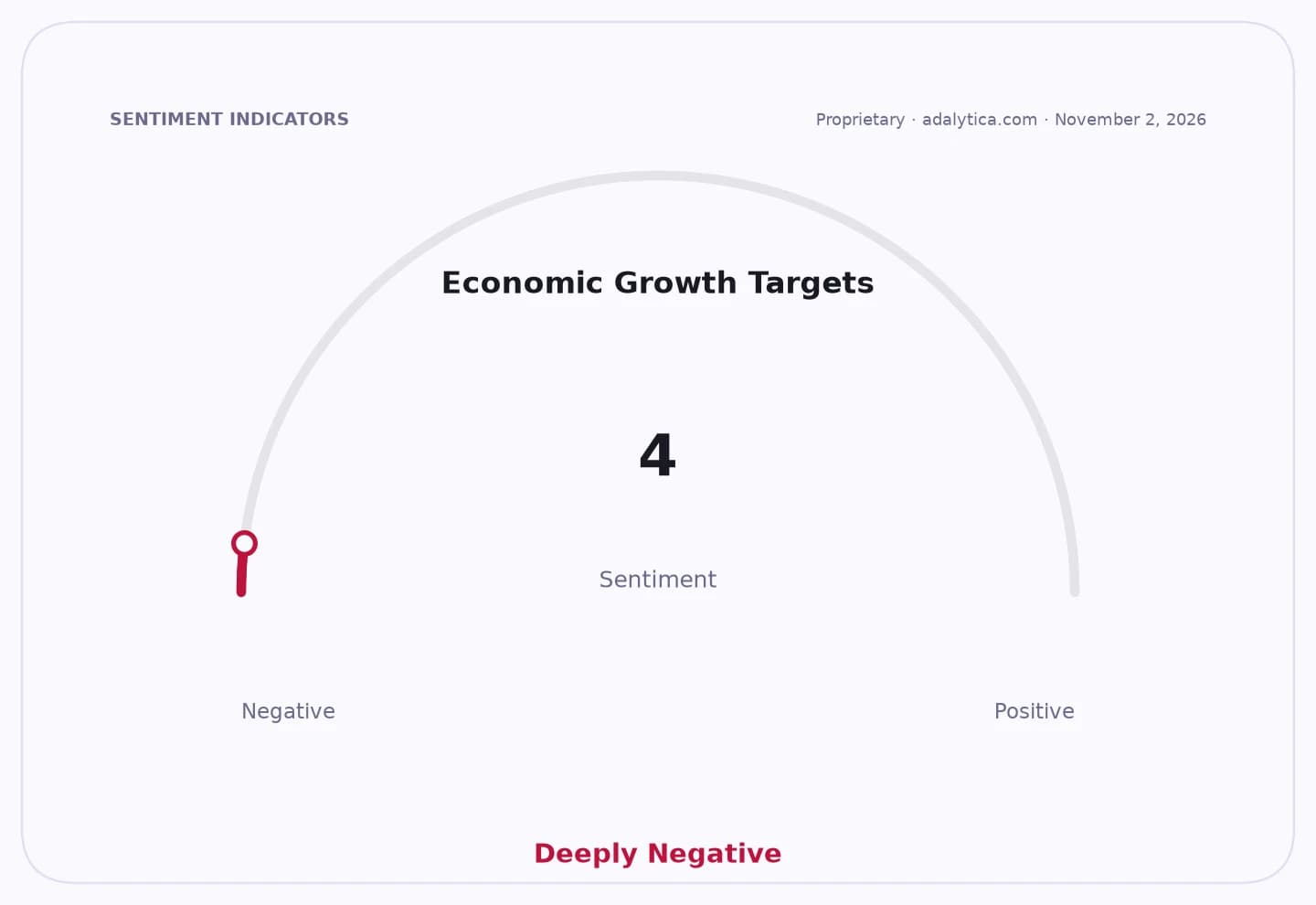
Sentiment Indicators
The bank said underlying inflation has risen toward 2% over the past few years and that firms’ inflation outlook appears to be converging around that level, even though households remain less settled in their expectations. It also said “upside risks to prices warrant attention” and that rate hikes would likely “alleviate price pressures and underpin consumption,” a notable formulation from a central bank that spent years focused on preventing inflation from undershooting.
That message carries direct implications for markets. The BOJ has been inching away from its long-standing stimulus framework, and every sign that 2% inflation is becoming self-sustaining raises the probability of another policy move. Investors in Japanese government bonds, the yen and domestic equities are watching for evidence that the bank is comfortable normalizing policy further, especially as wage growth improves and labor-market tightness persists.
The BOJ’s view is not unqualified. It said domestic consumption has been sluggish in real terms because of bad weather and the squeeze from higher living costs. But it added that consumption should remain resilient thanks to fuel subsidies, higher stock prices and rising wages. That combination suggests policymakers see enough support for activity to tolerate somewhat higher rates, even if household spending has not yet fully recovered.
For investors, the key question is whether inflation expectations are becoming durable enough to justify a steady tightening cycle rather than a one-off adjustment. A firmer inflation regime would tend to support the yen and shorten the runway for negative real rates, while also changing the valuation backdrop for Japanese equities that have benefited from abundant liquidity. The longer inflation stays near target alongside wage gains, the harder it becomes for the BOJ to argue that policy can remain exceptionally accommodative.
The next policy meetings will be judged less on whether inflation is at 2% and more on whether it can stay there without a fresh demand shock. That is the threshold that will determine how far and how fast the BOJ can move.
| Entity | Gains | Losses |
|---|---|---|
| BOJ | ▲Policy room to raise rates | ▼Pressure to stay ultra-loose |
| Yen bulls | ▲Better rate-support outlook | ▼Low-yield carry trades |
| Japanese savers | ▲Higher deposit returns ahead | ▼Prolonged real-rate erosion |
| Japanese exporters | ▲Stable demand backdrop | ▼Stronger yen risk |