Bank of Japan Governor Kazuo Ueda said core inflation is “fairly close” to the central bank’s 2% target, reinforcing market expectations that Japan is nearing a policy regime in which rate increases become harder to avoid.
BOJ Ueda Says Core Inflation Near 2% Target

The comment matters because it puts the BOJ’s long-running effort to exit ultra-loose policy into a more concrete economic frame: inflation is no longer just a temporary import-price phenomenon, but is being supported by broader demand, tight labor conditions and investment linked to global artificial intelligence spending.
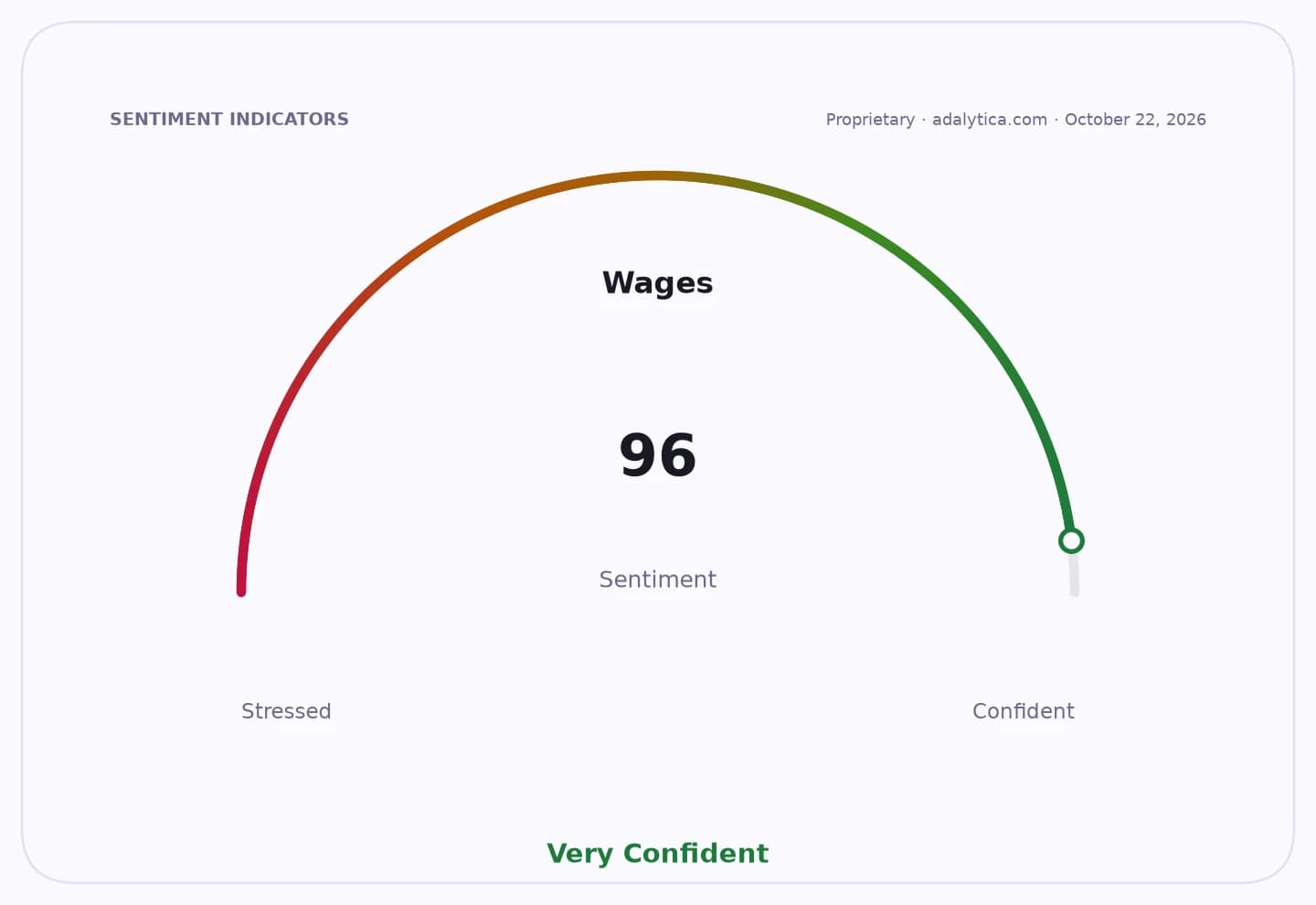
Sentiment IndicatorsⓘProprietary · adalytica.com · October 22, 2026
This is a snapshot — live sentiment, awareness and momentum for 130+ markets update continuously in the dashboard.Open AlphaPulse
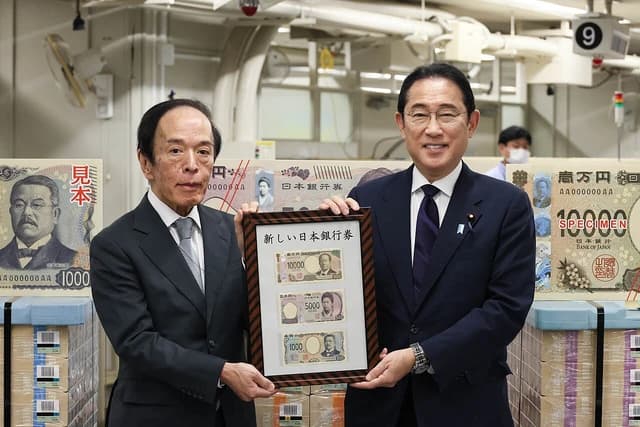
Speaking to parliament, Ueda also said “very strong” global demand for AI was boosting Japanese capital expenditure and exports, a combination that can keep domestic price pressures firm even as growth remains only moderate. That is important for policymakers because it suggests inflation may be becoming more self-sustaining, rather than fading once energy and goods shocks pass.
For investors, the shift raises the odds of a more hawkish BOJ path, even if officials still move cautiously. The yen and Japanese equities both remain sensitive to that prospect: a firmer policy stance tends to support the currency but can pressure export-oriented stocks and weigh on rate-sensitive segments of the market. The iShares MSCI Japan ETF, EWJ, was little changed around $94.62 in the latest session, while the dollar-yen proxy FXY traded at 58.33, with the yen still far from levels that would signal a decisive break in policy expectations. The dollar index, meanwhile, held near 101.71.
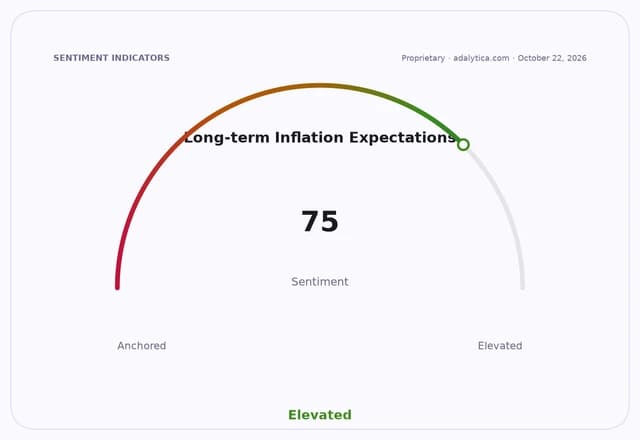
The macro backdrop helps explain why markets are paying attention. Adalytica’s CPI sentiment gauge showed “Extreme Fear” at 13, while long-term inflation expectations were in “Greed” territory at 75, reflecting a market split between concern over near-term price pressure and confidence that inflation can remain elevated enough to force BOJ action. That tension is also visible in U.S. rates and breakeven-linked signals, which have stayed firm as traders weigh global inflation persistence against slower growth.
The BOJ’s challenge is now less about proving inflation can rise to 2% than about proving it can stay there without relying on one-off cost shocks. If wage growth and capital spending keep feeding domestic demand, the case for tighter policy strengthens. If not, Ueda’s remarks will be read as another step in preparing markets for eventual normalization, rather than as immediate guidance.
For investors, the next catalyst is Japan’s inflation data and any update to the BOJ’s forecasts. A stronger print would likely lift short-end rate expectations, support the yen and add pressure to equities that have benefited from cheap funding. A softer reading would leave the BOJ able to wait, but would not eliminate the broader shift toward a more inflationary Japan.
| Entity | Gains | Losses |
|---|---|---|
| Japanese consumers with higher wages | ▲Real income if pay keeps pace | ▼Purchasing power if prices outrun wages |
| Yen bulls / importers | ▲Stronger currency, lower import costs | ▼Exporters and overseas earners |
| Banks and rate-sensitive financials | ▲Higher rates, wider margins | ▼Borrowers and leveraged sectors |
| Japanese exporters / equities | ▲Benefits from global AI capex demand | ▼Valuation pressure if BOJ tightens |