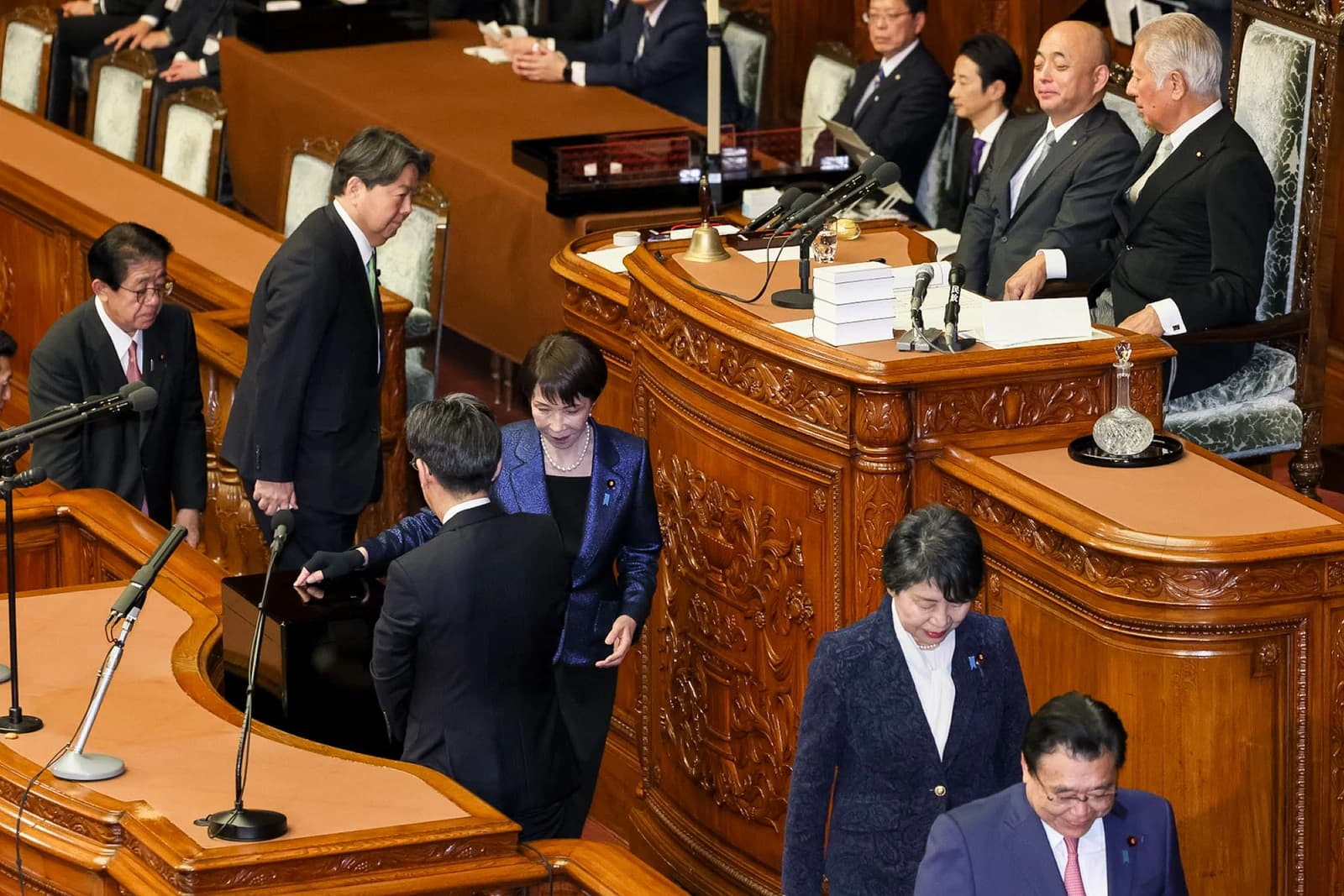
Japan’s new prime minister is losing political room just as household finances remain too thin to absorb a further squeeze from higher import costs and weak wage momentum.
Japan PM Takaichi approval falls below 50%
Sanae Takaichi’s approval rating fell below 50% to 49.1%, the lowest since she took office in October, according to a Kyodo News poll that also found 57.7% of respondents thought she was too slow to act after farm minister Kazuo Yana resigned over remarks on road funding. The decline matters because a weaker mandate makes it harder to push through policy responses to Japan’s most persistent economic problem: the gap between nominal income gains and the cost of living.
Sentiment IndicatorsⓘProprietary · adalytica.com · October 23, 2026
This is a snapshot — live sentiment, awareness and momentum for 130+ markets update continuously in the dashboard.Open AlphaPulse
That backdrop is what makes the household-income picture politically sensitive. Median annual income for a multi-person household, assuming only one primary earner, is around ¥375,000 a month before taxes and social insurance deductions — enough to leave many families highly exposed to food, energy and transport inflation, especially when imported costs are still elevated. Japan’s trade deficit widened in the first half of the fiscal year as oil import costs rose, reinforcing the inflationary pressure on consumers even as domestic demand remains fragile.
For investors, the combination of sagging approval and stretched household budgets raises the risk that Takaichi’s administration will lean more heavily on short-term relief measures and less on structural tightening or fiscal restraint. That could support consumption-linked equities in the near term if aid is targeted, but it also points to continued pressure on the yen and government finances if stimulus is funded through deficit spending rather than productivity reforms. The yen ETF FXY recently slipped to 156.35 yen per dollar after trading near the 158 area, while EWJ, which tracks Japanese equities, has pulled back from September highs, reflecting a market still sensitive to policy credibility and currency moves.
The political test now is whether Takaichi can restore confidence without deepening fiscal strain. If she cannot, Japan risks remaining locked in a familiar pattern: fragile real incomes, cautious consumers, and a government forced to choose between supporting households and preserving market discipline.
| Entity | Gains | Losses |
|---|---|---|
| Households | ▲Near-term relief measures | ▼Fiscal discipline |
| Takaichi government | ▲Policy room from stimulus | ▼Approval and credibility |
| Consumers | ▲Cash support | ▼Real purchasing power |
| Yen bears | ▲Policy easing expectations | ▼Currency stability |