Japan's 10-year government bond yield edged lower as investors embraced the government’s pledge to manage debt issuance, a welcome sign for a market that has been uneasy about supply, inflation and the Bank of Japan’s slow but persistent shift away from ultra-easy policy.
Japan 10-year yield edges lower on debt supply pledge

That matters because Japan sits at the center of the world’s sovereign bond market. When yields in Tokyo rise too fast, they can ripple through global rates, pressure equity valuations and force investors to rethink how much risk they want to own. A softer 10-year yield suggests buyers are willing to step back in, at least for now, when policymakers signal they will not flood the market with fresh supply.
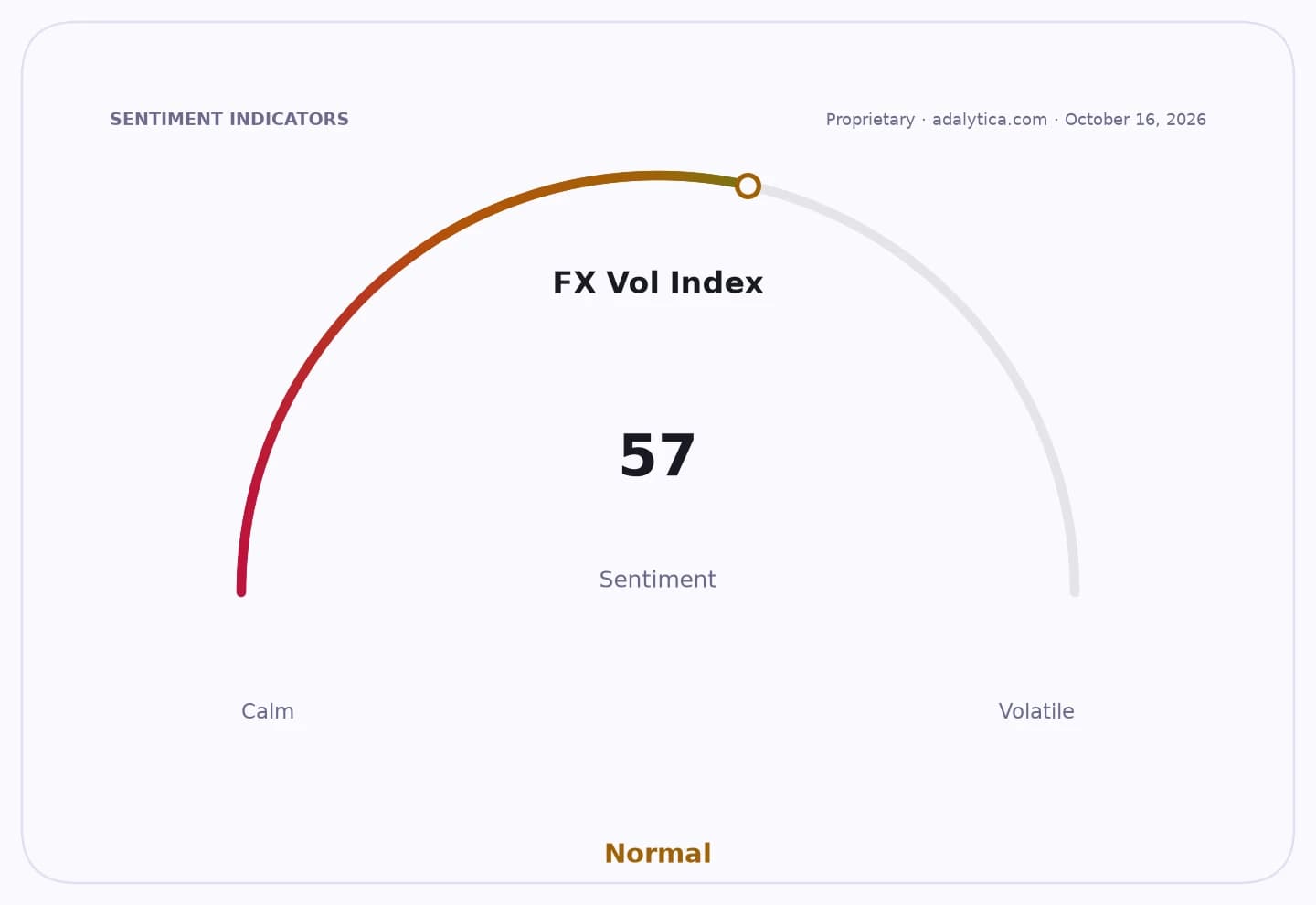
Sentiment IndicatorsⓘProprietary · adalytica.com · October 22, 2026
This is a snapshot — live sentiment, awareness and momentum for 130+ markets update continuously in the dashboard.Open AlphaPulse
The move also fits a broader pattern of risk aversion. Japanese government bonds have been sensitive this year to every hint of heavier issuance and to the prospect that inflation will stay sticky enough to keep upward pressure on yields. By promising discipline on debt sales, officials are trying to calm that pressure and support orderly auctions. That is exactly the kind of message bond investors want when they are already debating how much higher global borrowing costs can go.
The market backdrop has been messy. U.S. Treasury yields remain elevated, and Japan’s own yield curve is still far steeper than it was during the years of near-zero rates. The 10-year U.S. yield was last around 4.94%, while Japan’s 10-year yield has eased to about 1.55% from recent peaks, still a long way above the ultra-low levels that defined the post-crisis era. The gap underscores why Japanese rates still matter to global investors: even small moves can change hedging costs, capital flows and the relative appeal of Japanese assets.
For investors, the implication is straightforward. Lower Japanese yields can offer temporary relief to domestic borrowers and help steady bond portfolios, but they also signal that the market is still fragile. If inflation stays firm or the Bank of Japan continues normalizing policy, yields could reprice quickly again. That makes duration risk and currency moves especially important for global funds with exposure to Japan.
In equity markets, a gentler rise in yields is usually helpful for rate-sensitive sectors, though the broader lesson is that Japan is moving into a more normal financial regime. That is good news over the long run for investors who want a healthier bond market and more transparent pricing. But it also means the era of effortless support from the central bank is over, so volatility is likely to remain part of the story.
| Entity | Gains | Losses |
|---|---|---|
| Japan bond buyers | ▲Lower yields, steadier prices | ▼Less carry income |
| Government of Japan | ▲Easier debt financing | ▼Less room for loose issuance |
| Equities in Japan | ▲Relief from rate pressure | ▼Still exposed to yield spikes |
| Global rate investors | ▲Better market stability | ▼Smaller short-term trading edge |