U.S. long-dated Treasury yields surged to their highest level in more than two decades on Thursday, adding to a global bond rout that is pushing borrowing costs higher just as inflation fears and heavy government debt issuance test markets.
U.S. 30-Year Treasury Yield Hits 2004 High

The 30-year Treasury yield climbed as much as 7 basis points to 5.47%, the highest since 2004, while five- to 30-year yields also pushed to multiyear highs in choppy trading. The move followed a fresh jump in oil prices and a Treasury buyback operation that took less debt off the market than investors expected.
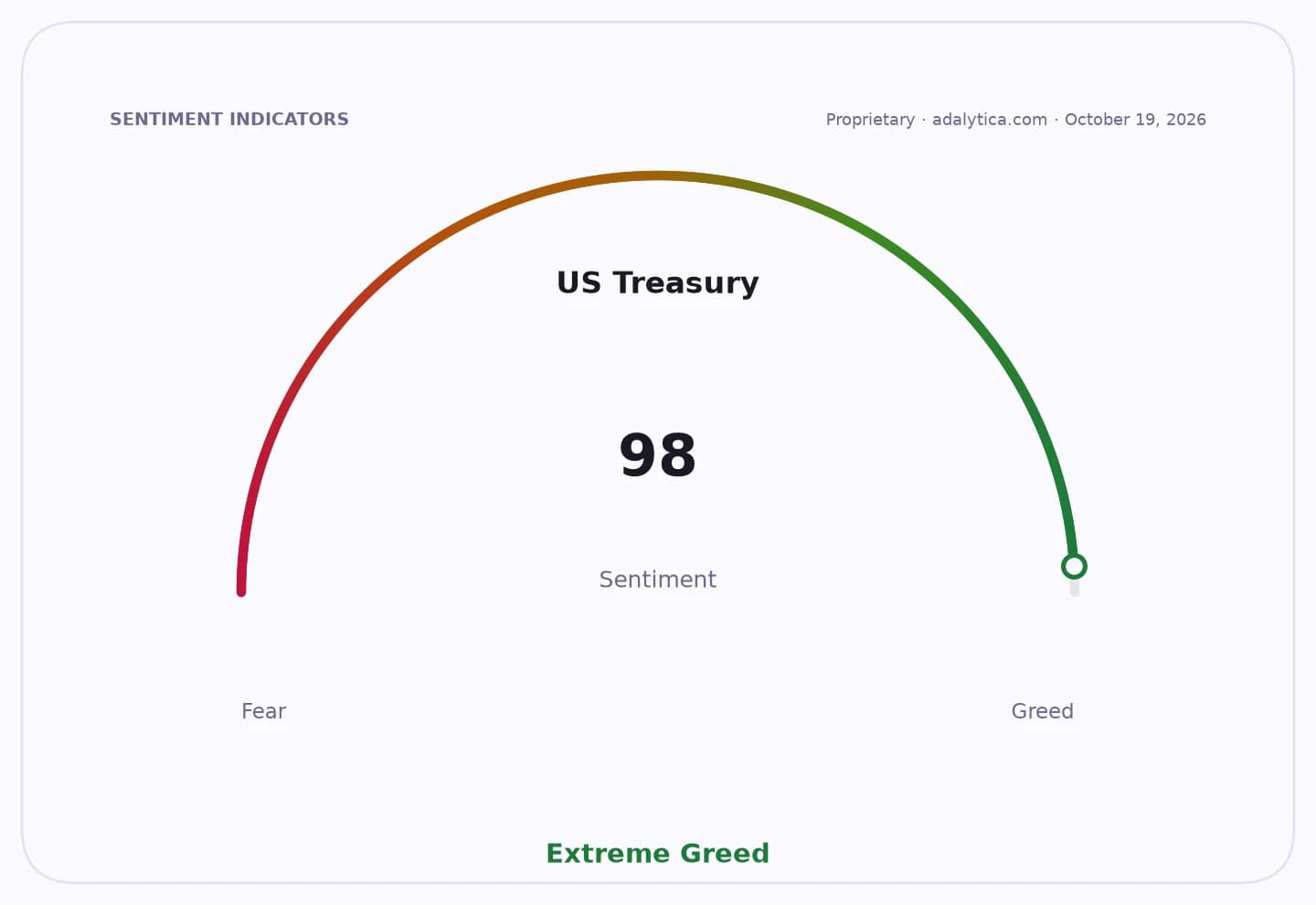
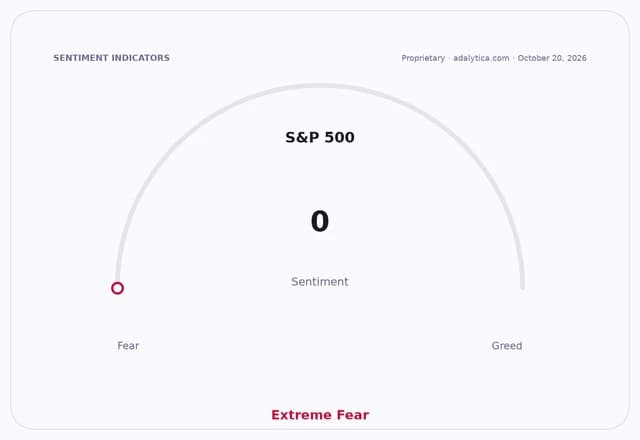
Sentiment IndicatorsⓘProprietary · adalytica.com · October 20, 2026
This is a snapshot — live sentiment, awareness and momentum for 130+ markets update continuously in the dashboard.Open AlphaPulse
The selloff matters because it raises the cost of capital across the economy. Higher Treasury yields feed through to mortgages, corporate borrowing, municipal financing and the government’s own debt service bill, tightening financial conditions even before the Federal Reserve delivers more rate hikes. Swaps now fully price in three quarter-point Fed increases over the next year, with some hedging for a fourth.
Oil prices have become a dominant driver for rates since the U.S. attacked Iran in late February, and Thursday’s surge — as much as 5% — reinforced the view that the war is adding a fresh inflation shock. Two-year yields are up more than 150 basis points since the conflict began, while 30-year yields have risen more than 80 basis points.
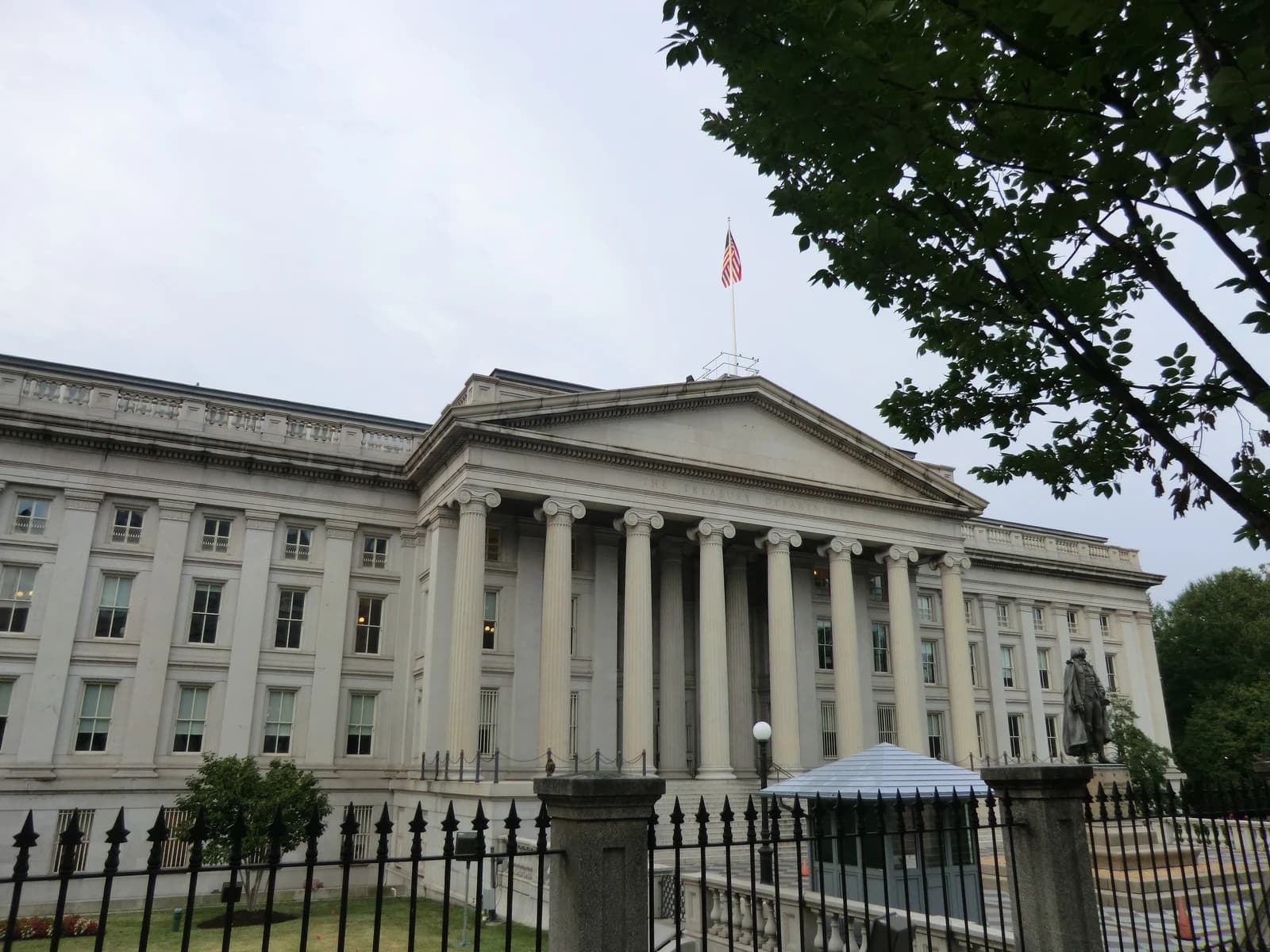
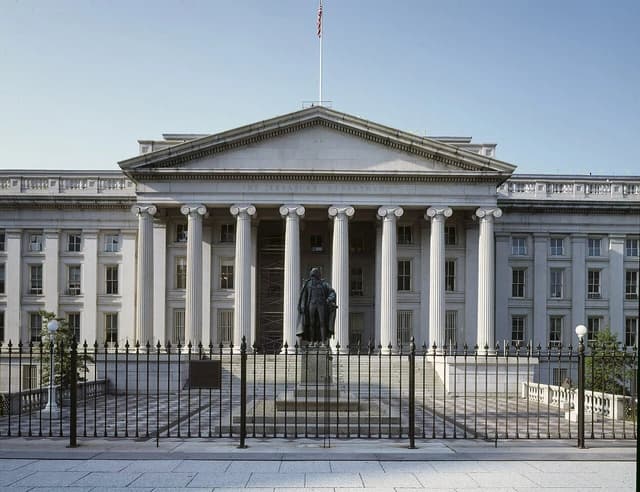
The Treasury’s expanded buyback program, designed to ease pressure in the long end, did not fully calm the market. The department accepted $4.08 billion of the $6 billion maximum it targeted in a 20- to 30-year operation, disappointing traders who expected stronger support after recent volatility. A separate $44 billion seven-year note auction also cleared at 5.085%, the highest on record since that tenor was reintroduced in 2009.
Rising volatility is making investors wary of stepping in even at higher yields. The ICE BofA MOVE Index, a gauge of bond-market swings, climbed to its highest since March, and strategists said many buyers remain afraid of catching a falling knife. That leaves the market vulnerable to further losses if oil keeps rising, inflation stays sticky or the Fed signals more tightening.
The pressure is not confined to the U.S. European yields are climbing too, Japan’s government-bond market reopened to levels last seen in 1996, and the average yield on sovereign debt worldwide is now near 4%, the highest since 2007. For investors, that raises the appeal of income, but also the risk of further price declines in long-duration bonds if the selloff extends.
| Entity | Gains | Losses |
|---|---|---|
| Cash-rich bond buyers | ▲Higher income on new purchases | ▼Mark-to-market losses on existing holdings |
| U.S. Treasury | ▲Potentially easier demand at higher yields | ▼Higher financing costs |
| Borrowers and homeowners | ▲— | ▼More expensive debt and mortgages |
| Short-duration bond funds | ▲Relative stability | ▼Long-duration bond funds and long bond holders |