Hotter US inflation is forcing markets to price a longer Fed tightening cycle, with UBS Chief Economist Arend Kapteyn warning that policy may have to stay restrictive beyond December if price pressures do not cool.
US inflation keeps Fed rates higher for longer
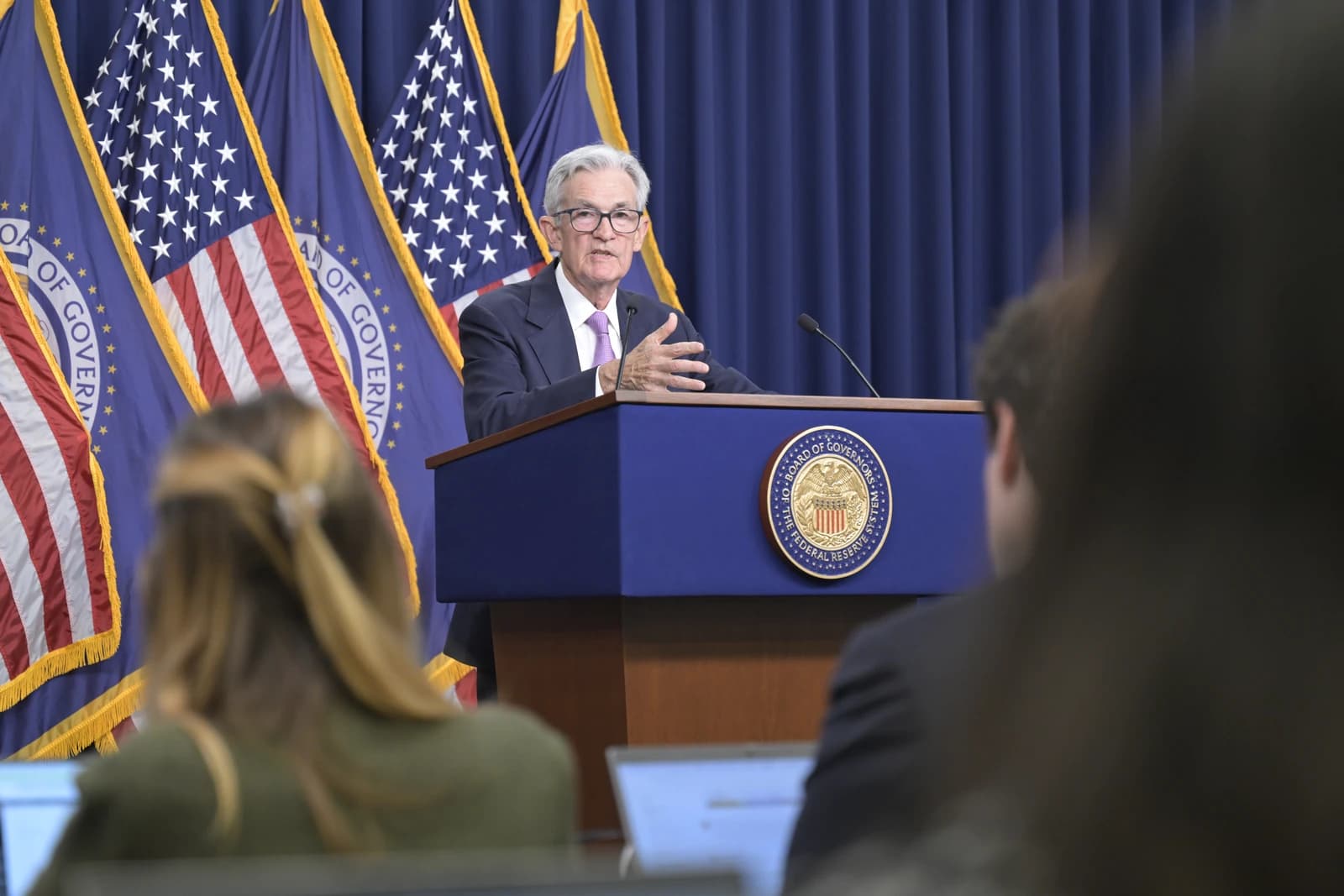
The shift matters because a renewed inflation impulse changes the balance of risks for the world’s most important central bank: instead of debating when to cut, investors must consider whether the Fed has to hike again. That would keep borrowing costs elevated across the economy, tighten financial conditions further and extend pressure on rate-sensitive assets already absorbing a jump in Treasury yields.
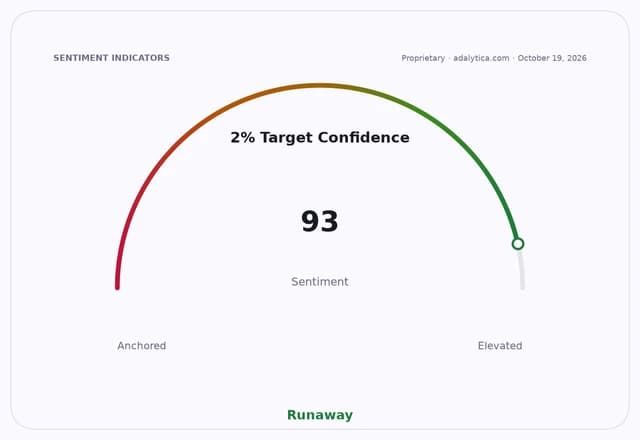
Sentiment IndicatorsⓘProprietary · adalytica.com · October 19, 2026
This is a snapshot — live sentiment, awareness and momentum for 130+ markets update continuously in the dashboard.Open AlphaPulse
US inflation rose to 3.7% in September, driven largely by energy prices amid geopolitical tensions around the Iran conflict, according to the data context. Core inflation, which strips out food and energy, also remained elevated at 0.33% on a monthly basis in the latest read, reinforcing the view that underlying price pressures are not yet back at the Fed’s 2% target. Inflation has now run above that goal for more than five years, leaving policymakers with little room to declare victory.
That backdrop has already moved markets. The 10-year Treasury yield climbed to 5.21% on Oct. 13 before easing slightly, while the iShares 20+ Year Treasury Bond ETF, TLT, remains under pressure even after a brief rebound, closing at 80.05 on Oct. 16, below its 200-day moving average of 83.4. The ETF’s RSI has recovered to 67.9, but the broader trend still reflects fragile demand for long-duration bonds. In credit and rates markets, the jump in yields underscores the risk that the Fed is being pulled toward a more hawkish stance just as investors had been looking for policy relief.
CPIAUCSL vs CPILFESL — macro contextadalytica.com
Explore this data interactively — full history, time series and cross-market comparisons.Open AlphaPulse
Equities are also feeling the strain. The S&P 500 and Russell 2000 both sold off sharply in recent sessions before stabilizing, suggesting that hotter inflation is forcing a repricing of both growth and financing assumptions. Small caps, which are typically more sensitive to funding costs, have been hit harder than large caps, a sign that the market is reducing exposure to domestically leveraged names that would suffer most from another leg up in rates.
Kapteyn’s warning also has implications beyond the Fed. Higher yields strengthen the dollar, tightening financial conditions globally and adding pressure to economies already struggling with weak growth, from Europe to parts of Asia. For corporates, especially those dependent on refinancing or floating-rate borrowing, every additional rate hike raises the cost of capital and can delay investment decisions. At the same time, persistent inflation can support revenues in some sectors, but only if demand holds up; otherwise margins get squeezed as consumers absorb higher prices.
For investors, the key question is whether the latest inflation burst proves temporary, driven by energy and geopolitics, or whether it feeds into wages and services and keeps the Fed on alert into 2027. Adalytica’s confidence gauge on the Fed’s 2% inflation target has jumped sharply, while Treasury-bond sentiment has swung to what its models classify as extreme greed, reflecting heavy defensive positioning and expectations for continued volatility. If inflation stays hot, the market’s base case for a pause-and-cut cycle could give way to a more punitive “higher for longer” path.
The next catalyst is whether upcoming inflation and labor data confirm that September was an energy-driven spike or the start of a broader re-acceleration. If it is the latter, Kapteyn’s warning about hikes beyond December may quickly shift from a tail risk to the central scenario.
| Entity | Gains | Losses |
|---|---|---|
| Treasury bears | ▲higher yield potential | ▼bond prices |
| Fed hawks | ▲policy cover | ▼rate-cut hopes |
| Dollar bulls | ▲stronger greenback | ▼importers and EM borrowers |
| Small caps | ▲limited upside | ▼higher refinancing costs |