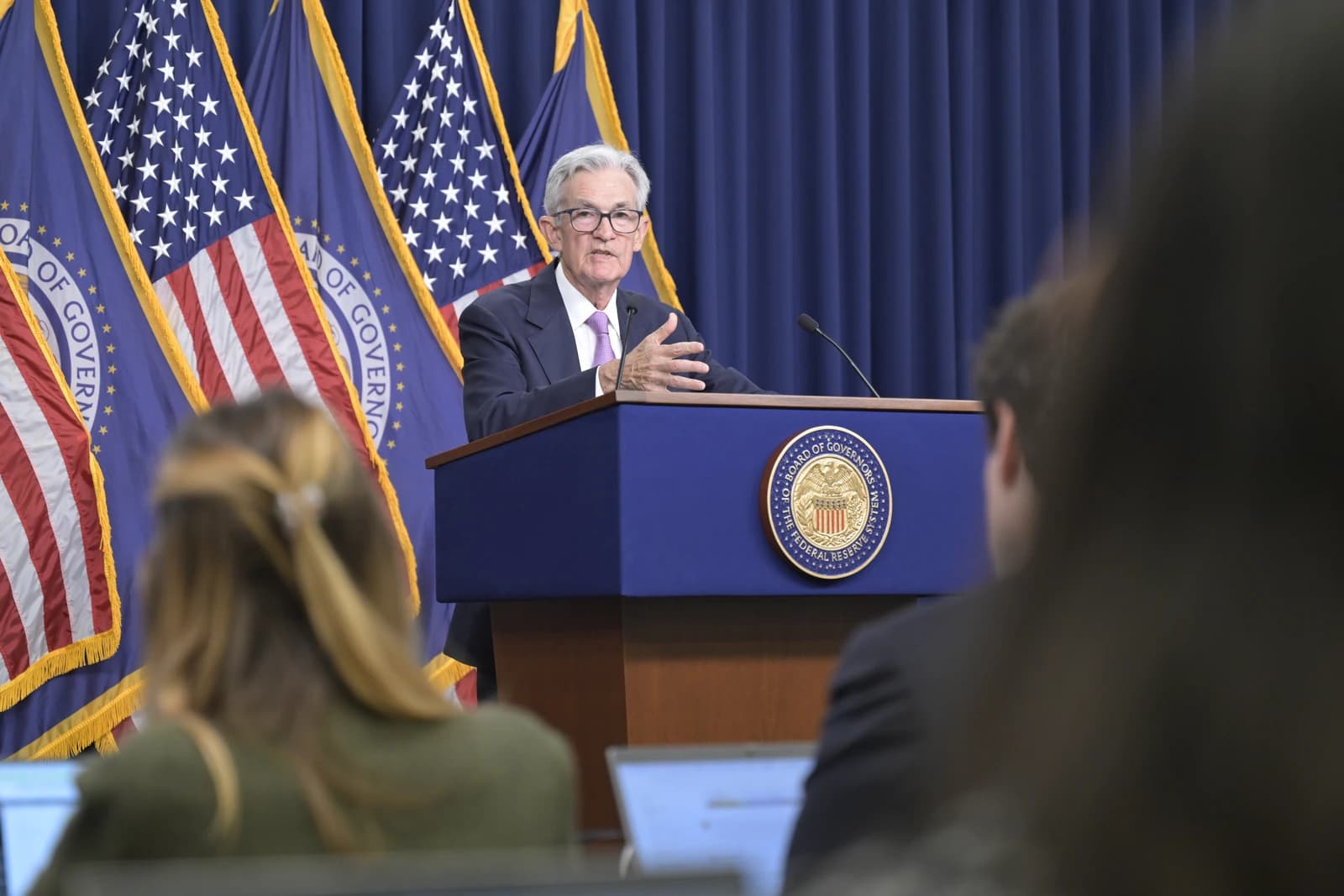
Richmond Fed President Tom Barkin said persistent price shocks from oil, tariffs and supply-chain strain are making it harder for the central bank to assume inflation will glide back to 2% on its own, leaving the door open to more rate hikes after last week’s increase.
Richmond Fed's Barkin Keeps More Rate Hikes Open
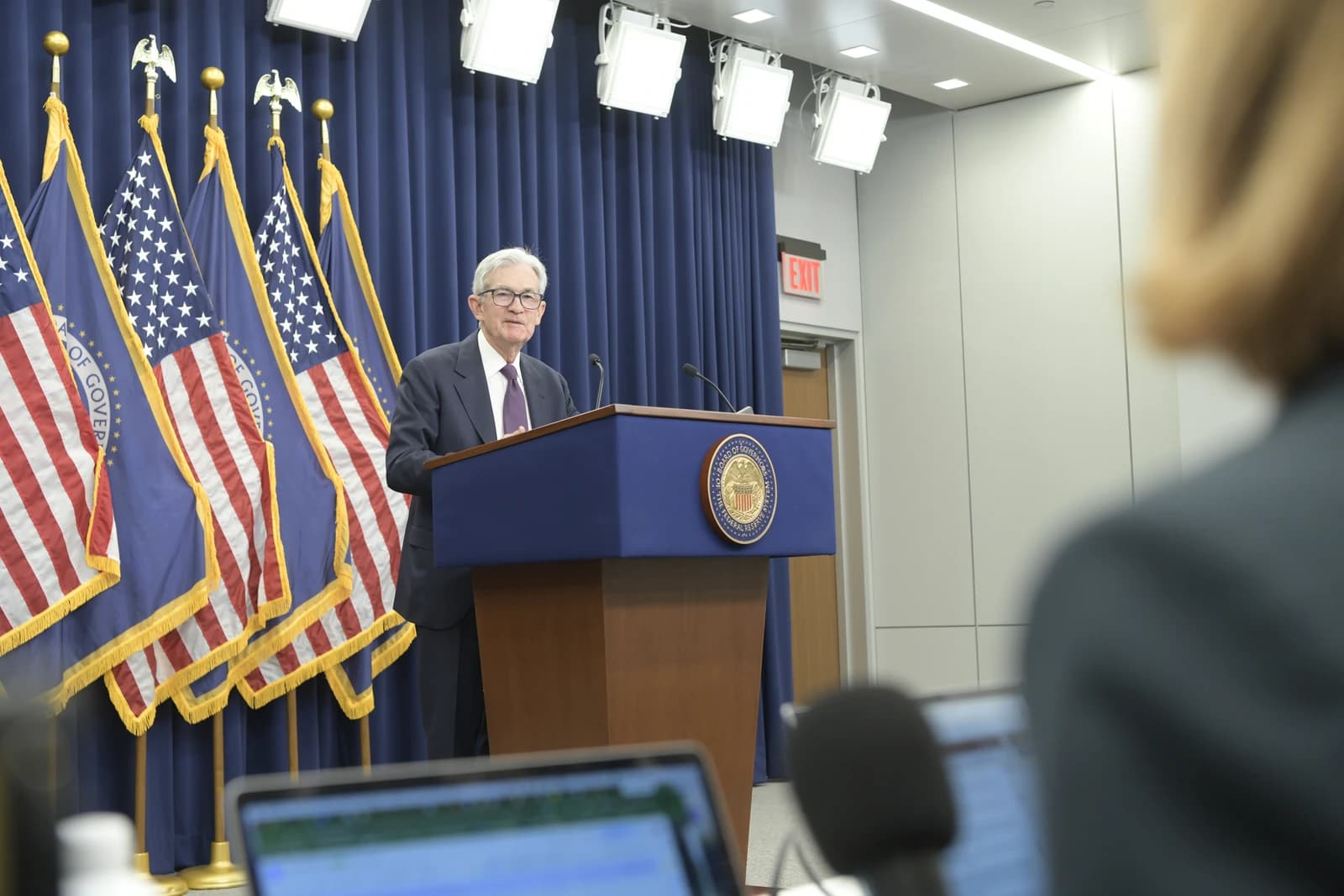
Barkin’s message matters because it reinforces a more hawkish Fed narrative at a time when policy makers are weighing whether higher borrowing costs have gone far enough to cool inflation without cracking growth. He argued the economy and labor market remain solid, which gives companies room to keep spending and raising prices even as the Fed keeps rates restrictive.
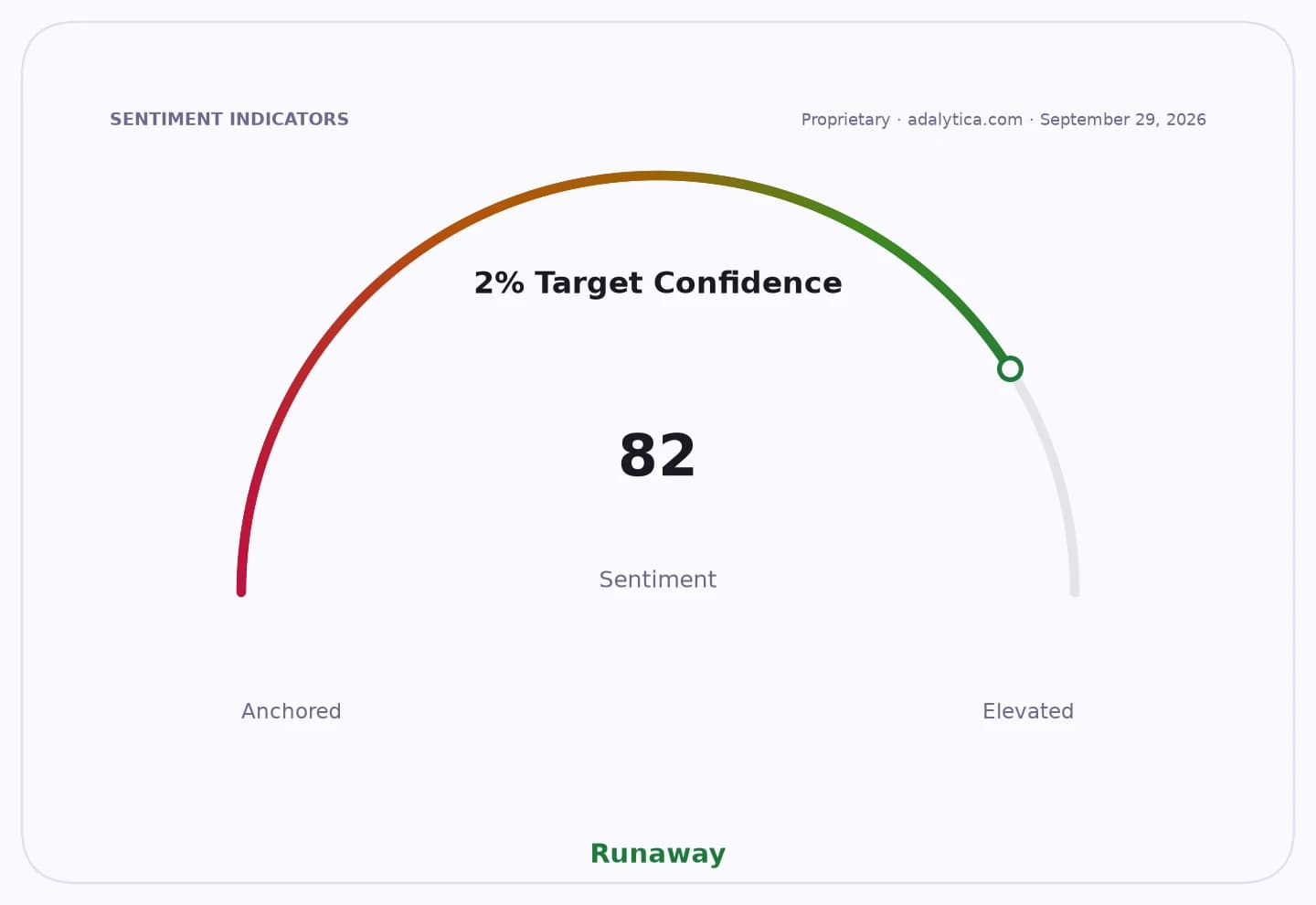
Sentiment IndicatorsⓘProprietary · adalytica.com · September 27, 2026
This is a snapshot — live sentiment, awareness and momentum for 130+ markets update continuously in the dashboard.Open AlphaPulse

“The ‘passing’ shocks aren’t proving to be short-lived, or one-off events,” Barkin said in a speech in Baltimore, pointing to new tariffs, the ongoing Middle East conflict and AI-related supply-chain stress. He said inflation has been above the Fed’s 2% target for more than five years and that more than 60% of the Fed’s preferred PCE gauge is still rising faster than 3% year over year.
The pressure is not just coming from energy. Barkin said Richmond Fed survey data show prices received have averaged 3.5% since late 2023, roughly double the pace in the two years before the pandemic. A separate CFO survey run with Duke University and the Atlanta Fed showed firms expect to raise prices by 4.1% next year, more than twice the 2019 average.
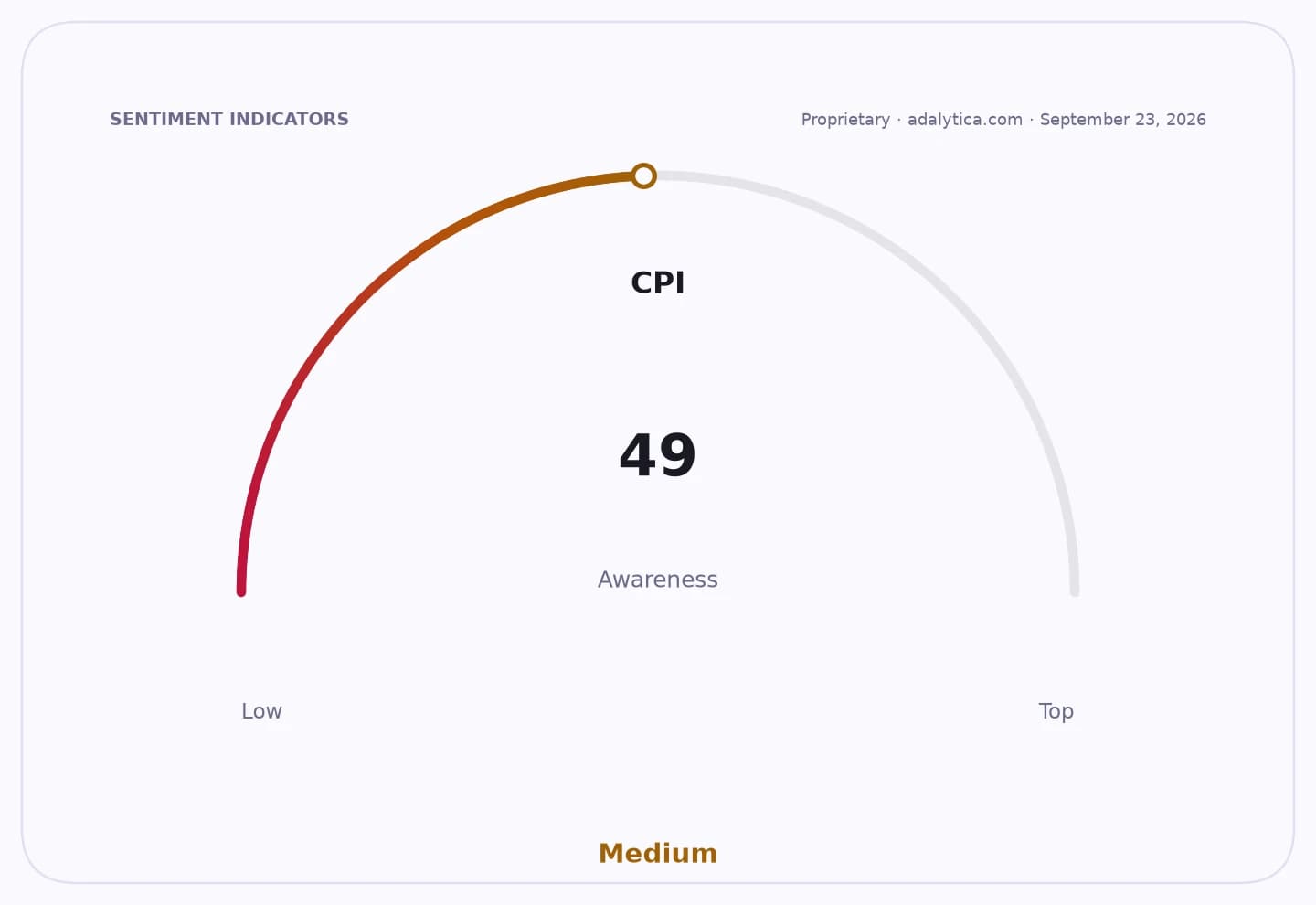
CPIAUCSL vs CPILFESL — macro contextadalytica.com
Explore this data interactively — full history, time series and cross-market comparisons.Open AlphaPulse

That combination matters for investors because it raises the odds that the Fed keeps rates elevated for longer, a setup that can keep pressure on rate-sensitive parts of the market including bonds, housing and small-cap stocks. It also leaves the dollar and short-end Treasury yields vulnerable to more repricing if officials conclude inflation is still too sticky to ease quickly.
Barkin said consumers with more resources are still driving spending, while lower-income households are finding ways to maintain demand. On the business side, he said stronger earnings and productivity gains are giving firms room to absorb uncertainty and continue passing through higher costs.
The Fed’s latest hike, Barkin said, “will help,” but he would not say whether additional increases will be needed. For markets, that leaves the central bank’s next move firmly dependent on whether inflation data start to show the kind of durable cooling Barkin says is still missing.
| Entity | Gains | Losses |
|---|---|---|
| Federal Reserve hawks | ▲More cover for tighter policy | ▼Pressure to justify further hikes |
| Bond bulls | ▲None if yields stay elevated | ▼Prices if rate cut hopes fade |
| Companies with pricing power | ▲Ability to pass on costs | ▼Margin pressure if demand weakens |
| Consumers and borrowers | ▲None from higher-for-longer rates | ▼Higher loan and credit costs |