The latest US inflation data and Federal Reserve business contacts suggest the price surge is no longer confined to gasoline, forcing markets to confront the risk that higher fuel costs are spreading through the economy.
US Inflation and Fed Beige Book Show Broader Price Pressures
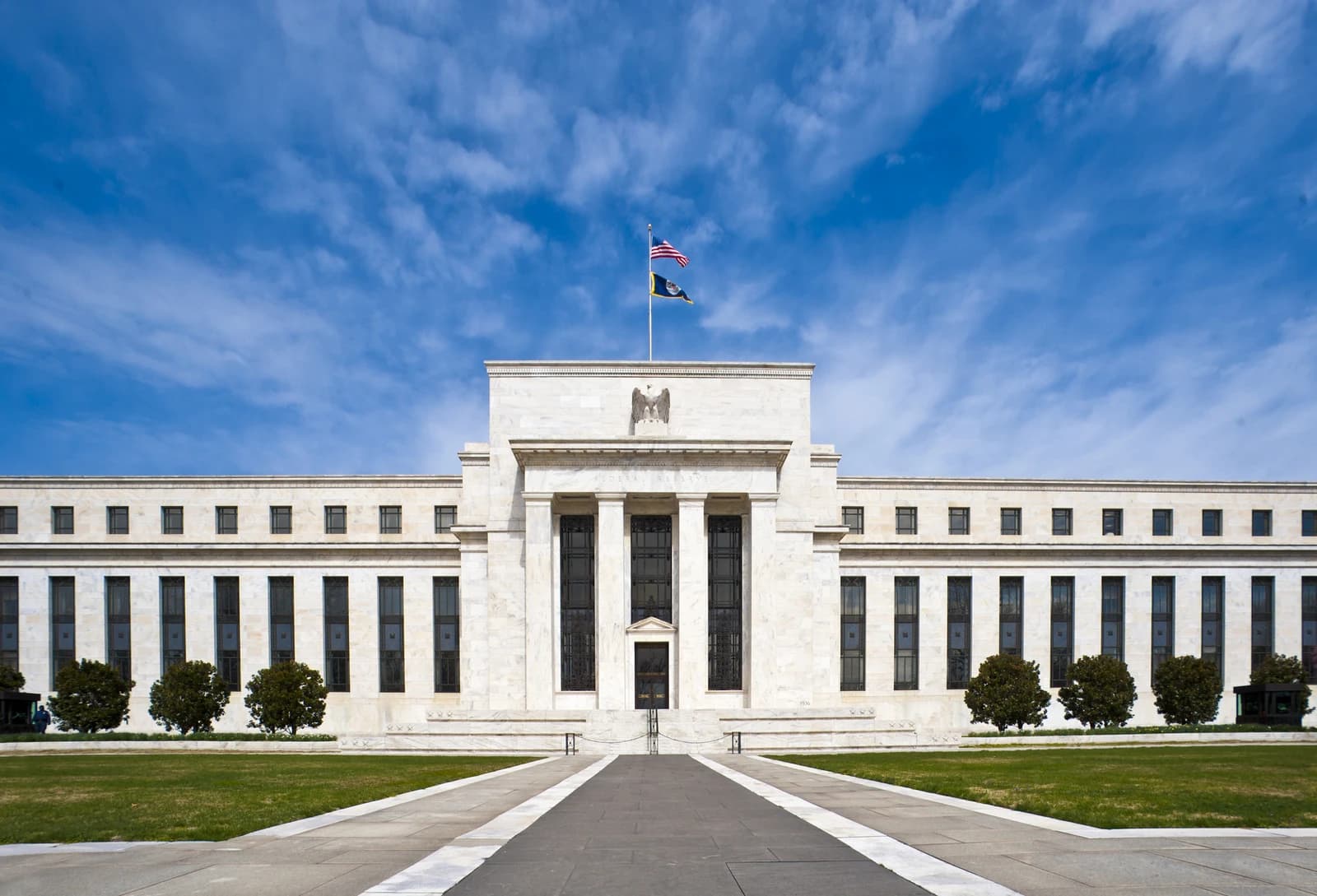
September consumer prices rose 3.7% from a year earlier, above expectations and faster than August’s 3.4% pace, while the core CPI also came in hotter than forecast at 2.6%. More troubling for policymakers, the Fed’s October Beige Book showed a sharp rise in reports of expensive diesel and gasoline feeding through supply chains, with mentions of diesel costs jumping to 21 from just two in the prior report. That combination strengthens the case that inflation pressures are broadening at a time when employment is still weak.
Sentiment IndicatorsⓘProprietary · adalytica.com · October 16, 2026
This is a snapshot — live sentiment, awareness and momentum for 130+ markets update continuously in the dashboard.Open AlphaPulse

The economic significance is that energy is no longer just hitting households at the pump. Diesel matters more for the broader economy because it is the fuel of freight, farming and industrial logistics. When trucking, agriculture and air cargo face higher input costs, firms either absorb thinner margins or pass the costs on to consumers. The Beige Book suggests many are choosing the latter. That raises the risk that inflation becomes stickier even as growth remains subdued.
That is exactly the dilemma facing the Fed. The central bank raised rates last month to 3.75%-4.00%, its first increase since July 2023, but the latest data make another move harder to dismiss. Markets are pricing about a 37% chance of another hike at the Oct. 27-28 meeting. Chicago Fed President Austan Goolsbee said he was disappointed by the CPI print but argued for more data before deciding on the policy path.
CPIAUCSL vs CPILFESL — macro contextadalytica.com
Explore this data interactively — full history, time series and cross-market comparisons.Open AlphaPulse

For investors, the implications cut across rates, currencies and equities. A hotter inflation backdrop lifts Treasury yields and supports the dollar, while keeping pressure on rate-sensitive parts of the market such as housing and small caps. The 30-year mortgage rate at 7.5%, near a three-year high, already shows how restrictive financial conditions have become. If the Fed tightens again, the risk is a sharper slowdown in hiring and home sales; if it pauses, investors must price in the possibility that energy and tariff effects keep inflation elevated longer than expected.
The narrative connecting the numbers is straightforward: the first shock came from CPI, the second from the Beige Book, and together they argue that the inflation problem is not fading as quickly as policymakers had hoped. That makes the next Fed decision less about whether inflation is a problem and more about how much growth pain the central bank is willing to accept to contain it.
| Entity | Gains | Losses |
|---|---|---|
| US dollar | ▲Higher-rate support | ▼Exporters |
| Federal Reserve hawks | ▲Policy cover for another hike | ▼Doves |
| Energy producers | ▲Stronger fuel prices | ▼Consumers and shippers |
| Housing market | ▲— | ▼Rate-sensitive buyers |