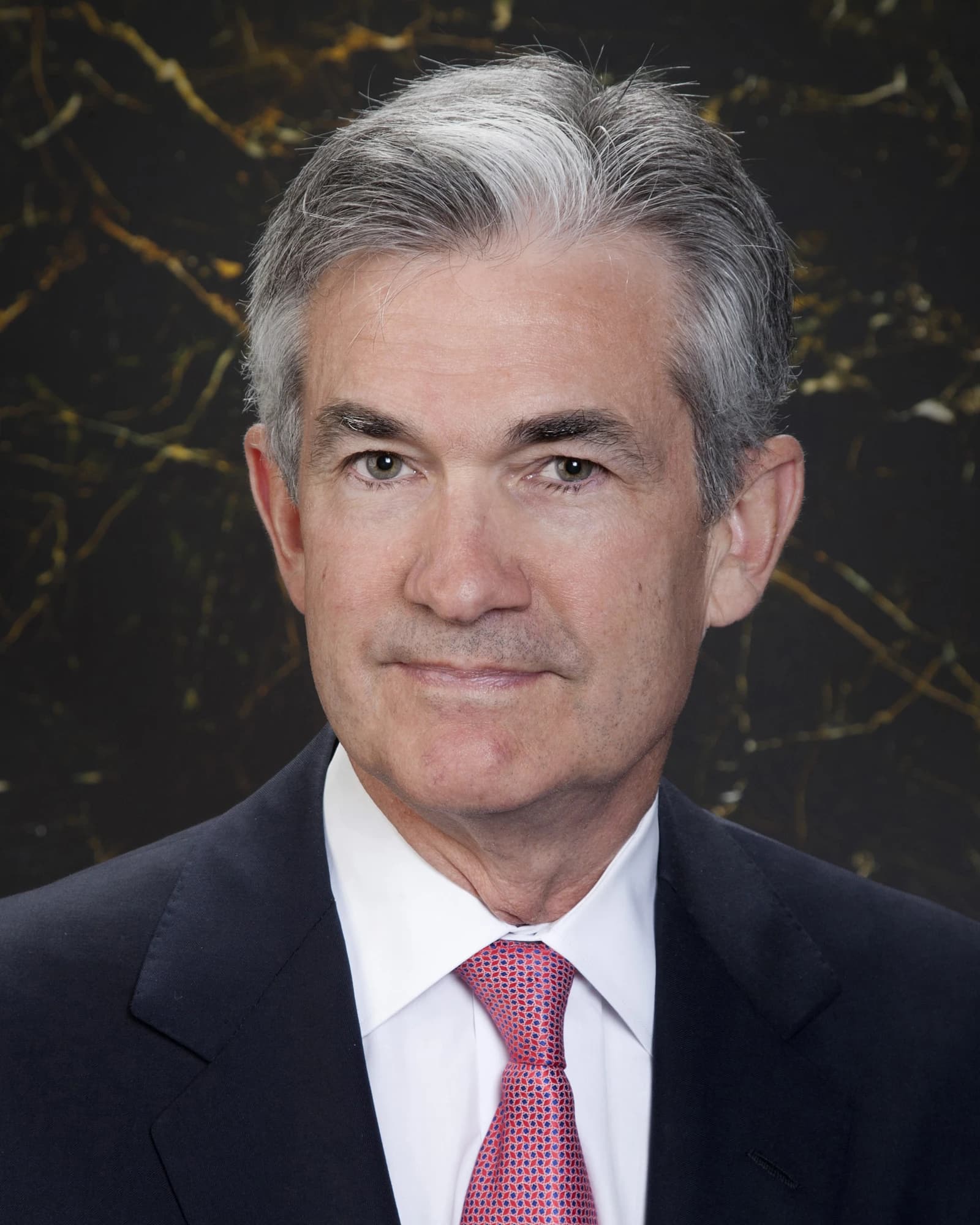
John Williams has opened a clear gap with market pricing by saying the Federal Reserve may not need to raise interest rates in 2027, even after he still sees one more increase possible this year.
Fed's Williams sees no need for 2027 rate hike
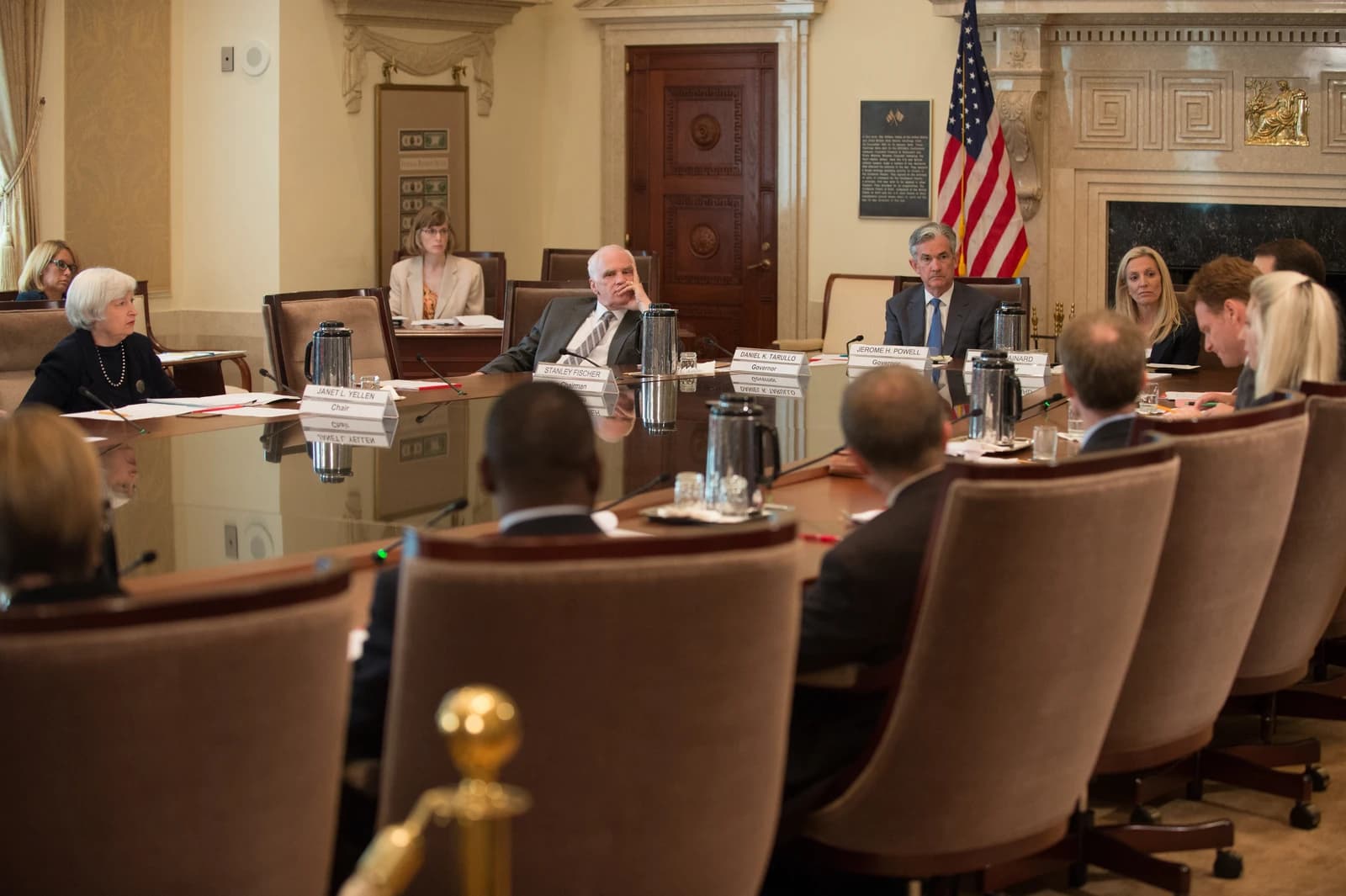
That matters because Williams, as president of the New York Fed and a permanent voter on policy decisions, is one of the central bank’s most closely watched voices on the rate path. His comments reinforce that the Fed is still in a data-dependent phase after restarting hikes in September for the first time since 2023, but they also suggest policymakers are not uniformly convinced the tightening cycle has to extend deep into 2027.
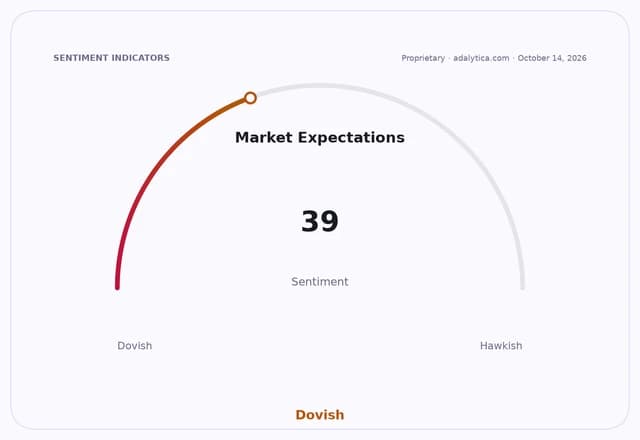
Sentiment IndicatorsⓘProprietary · adalytica.com · October 14, 2026
This is a snapshot — live sentiment, awareness and momentum for 130+ markets update continuously in the dashboard.Open AlphaPulse
The disagreement with markets is the main market-moving takeaway. Interest-rate futures imply at least one increase in 2027, with pricing showing roughly a 90% chance the federal funds rate ends that year at least half a percentage point above current levels. Williams’ view runs against that, although it remains broadly consistent with the median policy outlook inside the Federal Open Market Committee, where eight of 18 officials who submitted projections still expect another 2027 hike after the increase anticipated this year.
For investors, that gap matters most in the bond market and in rate-sensitive assets. Treasury yields have already adjusted to a more hawkish Fed; the 10-year note has traded around 5.2% and the two-year near 4.8%, levels that reflect tighter-for-longer assumptions. Long-duration Treasuries have come under pressure, with TLT sliding to about 78.37, well below its 50-day moving average of 80.53 and its 200-day average of 83.48. Its RSI near 32 points to oversold conditions, but the broader message is that bond investors are still demanding a meaningful term premium for policy uncertainty.
Equities tied to the rate cycle have also reflected that shift. The Russell 2000 ETF, IWM, has retreated to 276.70 from recent highs, while the Financial Select Sector SPDR, XLF, has eased to 54.82. Small caps and financials are both sensitive to the shape of the yield curve and the future level of funding costs, so any sign that the Fed may stop short of the market’s more hawkish expectations could help those groups if inflation moderates faster than expected.
Williams said the Fed will keep watching incoming data and should focus on underlying inflation trends rather than temporary shocks from energy or artificial intelligence. He also argued that tariff effects on prices have already shown up substantially, while energy could push inflation higher in the near term but create easier annual comparisons later. His baseline is that inflation moves closer to the Fed’s 2% target in 2027, after the personal consumption expenditures index rose 3.4% in August and 3% excluding food and energy.
The economic stakes are straightforward: if Williams is right, the Fed may not need to press policy much further once it completes the next expected hike. If markets are right, inflation proves stickier and the central bank keeps rates higher for longer, tightening financial conditions further into 2027. The next two Fed meetings, at the end of October and in December, will be watched for whether officials align more closely with Williams’ softer endpoint or with futures pricing that still assumes another round of tightening ahead.
| Entity | Gains | Losses |
|---|---|---|
| Long-duration Treasuries | ▲Lower policy-rate risk | ▼Higher-yield pricing |
| Small-cap stocks | ▲Easing financing pressure | ▼Persistent tight conditions |
| Dollar bulls | ▲Hawkish Fed repricing | ▼Softer 2027 hike odds |
| Borrowers | ▲Lower long-run funding costs | ▼Higher-for-longer rates |