The dollar weakened, the Nasdaq Composite fell for a second straight session and long-dated U.S. Treasury yields eased as traders pulled back from the most crowded AI-linked trades and looked ahead to fresh inflation data that could shape the Federal Reserve’s next move.
Nasdaq Falls as Treasury Yields Ease

That combination matters because it shows the market is no longer rewarding the same formula that powered much of this year’s rally: a strong dollar, higher yields and relentless buying of U.S. mega-cap growth and semiconductors. Instead, investors are rotating toward caution, with the 10-year Treasury yield slipping to 5.223% and the 30-year to 5.566%, while the dollar lost ground against the yen and euro as speculation about further Fed tightening cooled.
Sentiment IndicatorsⓘProprietary · adalytica.com · October 14, 2026
This is a snapshot — live sentiment, awareness and momentum for 130+ markets update continuously in the dashboard.Open AlphaPulse

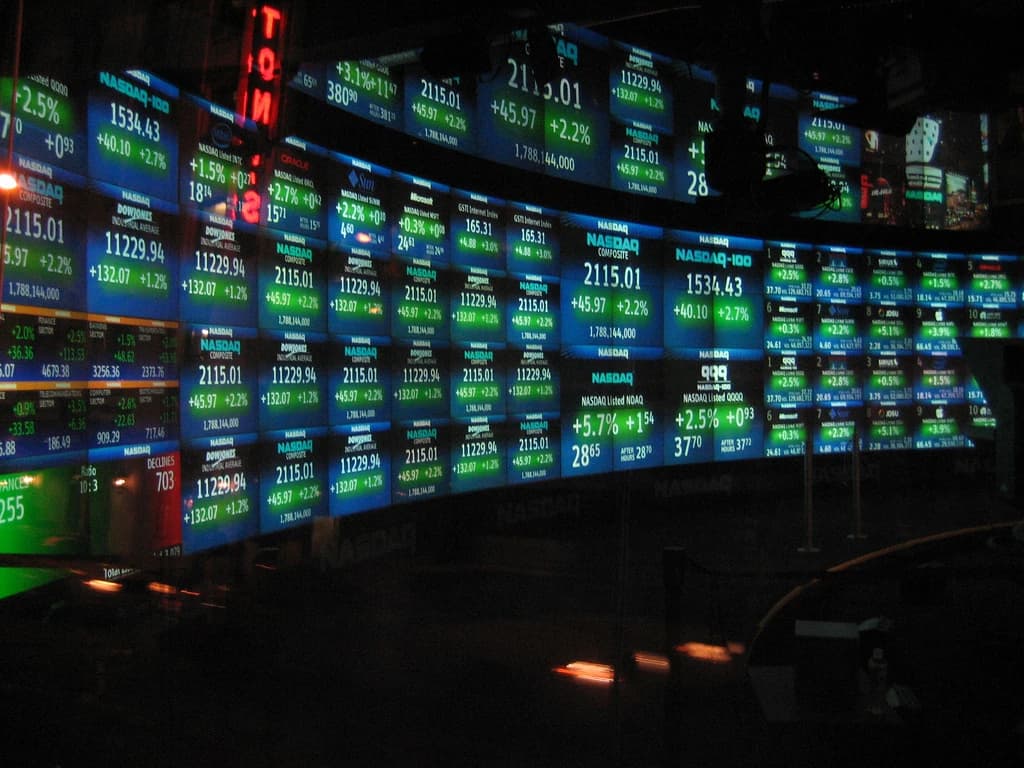
For equity investors, the message is more important than the modest move in the headline indexes suggests. The Nasdaq ended down 0.15% at 27,204.38, with the Philadelphia semiconductor index falling for a fifth straight session. Micron dropped 3.6% and Applied Materials sank nearly 7%, underscoring how quickly enthusiasm for AI infrastructure can unwind when investors begin to question valuations, capital intensity and the durability of demand. Broadcom eked out a gain, but that was the exception, not the rule.
The pullback in the dollar also speaks to a market starting to discount a less aggressive Fed path. New York Fed President John Williams said another rate hike this year could still be appropriate, but he does not expect the central bank to need to raise rates again in 2027. That was enough to nudge long yields lower, even as the two-year yield, which is more sensitive to the policy outlook, moved up to 4.8%. The yield curve remains deeply inverted, a reminder that growth worries have not gone away even with inflation still elevated.
This is where the investment opportunity is taking shape. The market underestimates how much of the AI trade has become a macro trade, not just a secular growth story. When the dollar softens and long bonds stabilize, that can support broader risk appetite over time, but it also exposes which parts of the AI complex are priced for perfection. The winners are likely to be the infrastructure toll roads — power, networking, foundry equipment, data-center real estate and utilities — rather than every semiconductor name that has already run hard on hope.
Treasuries are offering a similar signal. The 10-year yield had briefly hit its lowest level since early October before settling at 5.2168%, and the 30-year touched 5.5355% intraday. That kind of move does not scream outright risk-off, but it does tell you investors want duration protection while they wait for the next inflation print. If the data cools, long bonds could extend their rebound and give high-duration equities room to breathe. If it does not, the AI winners that depend on easy financing and relentless capex will remain vulnerable.
The immediate takeaway is simple: this is no time to chase the most crowded parts of the AI boom. I believe the smarter bet is on the picks-and-shovels names that benefit from continued compute spending but are less exposed to multiple compression if rates stay higher for longer. In a market where the dollar is slipping, yields are probing lower and semis are fading, selectivity is no longer optional — it is the edge.
| Entity | Gains | Losses |
|---|---|---|
| Long-duration Treasuries | ▲Price support | ▼Yield-chasing sellers |
| AI infrastructure suppliers | ▲Capex tailwind | ▼Broad semiconductor speculators |
| Japanese yen / euro | ▲Dollar weakness | ▼U.S. dollar bulls |
| Nasdaq / growth stocks | ▲Lower-rate hope | ▼AI momentum traders |