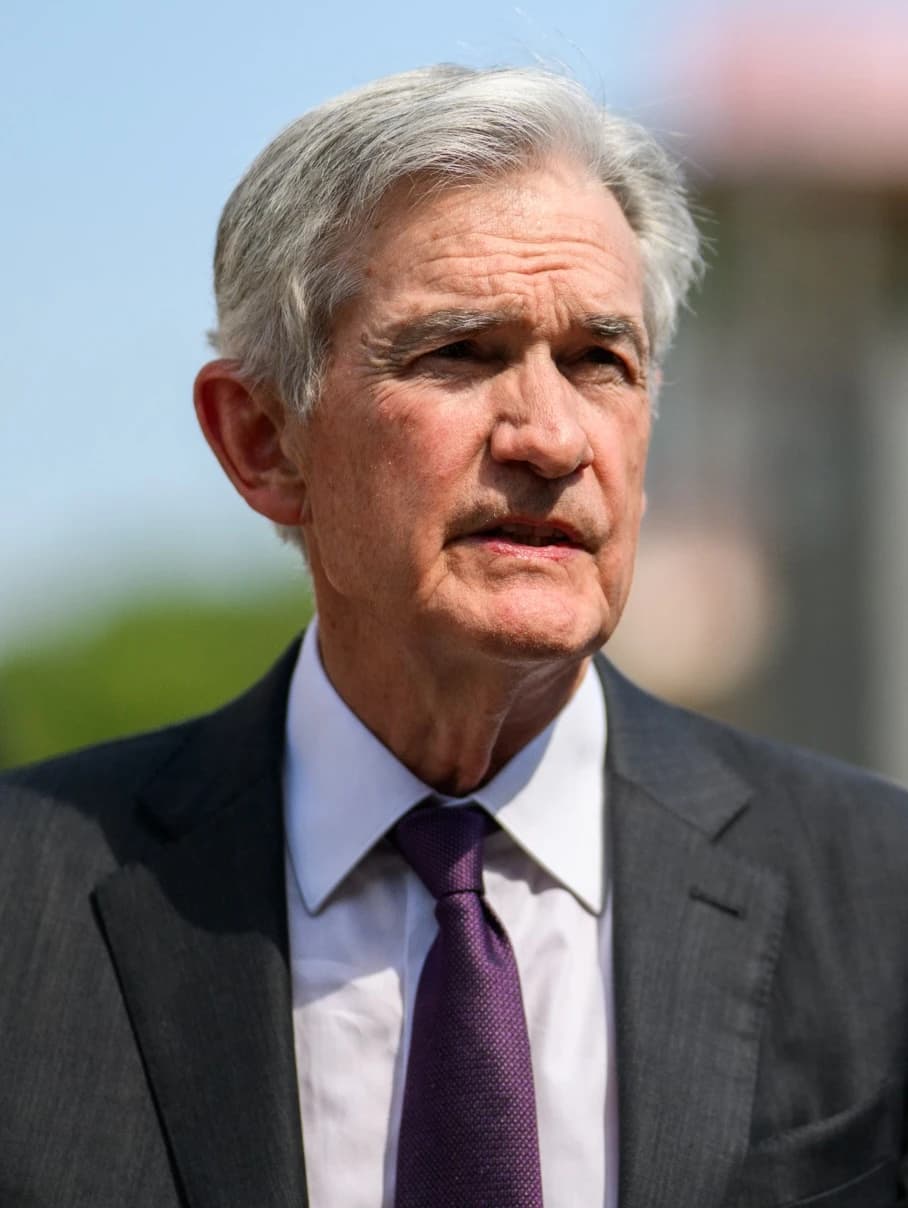
Fed officials have all but nudged investors away from betting on an immediate follow-up rate increase, with remarks from two of the central bank’s most influential policymakers triggering a sharp repricing in money markets and a rally in interest-rate-sensitive assets.
Fed Officials Push Back on October Rate Hike Bets
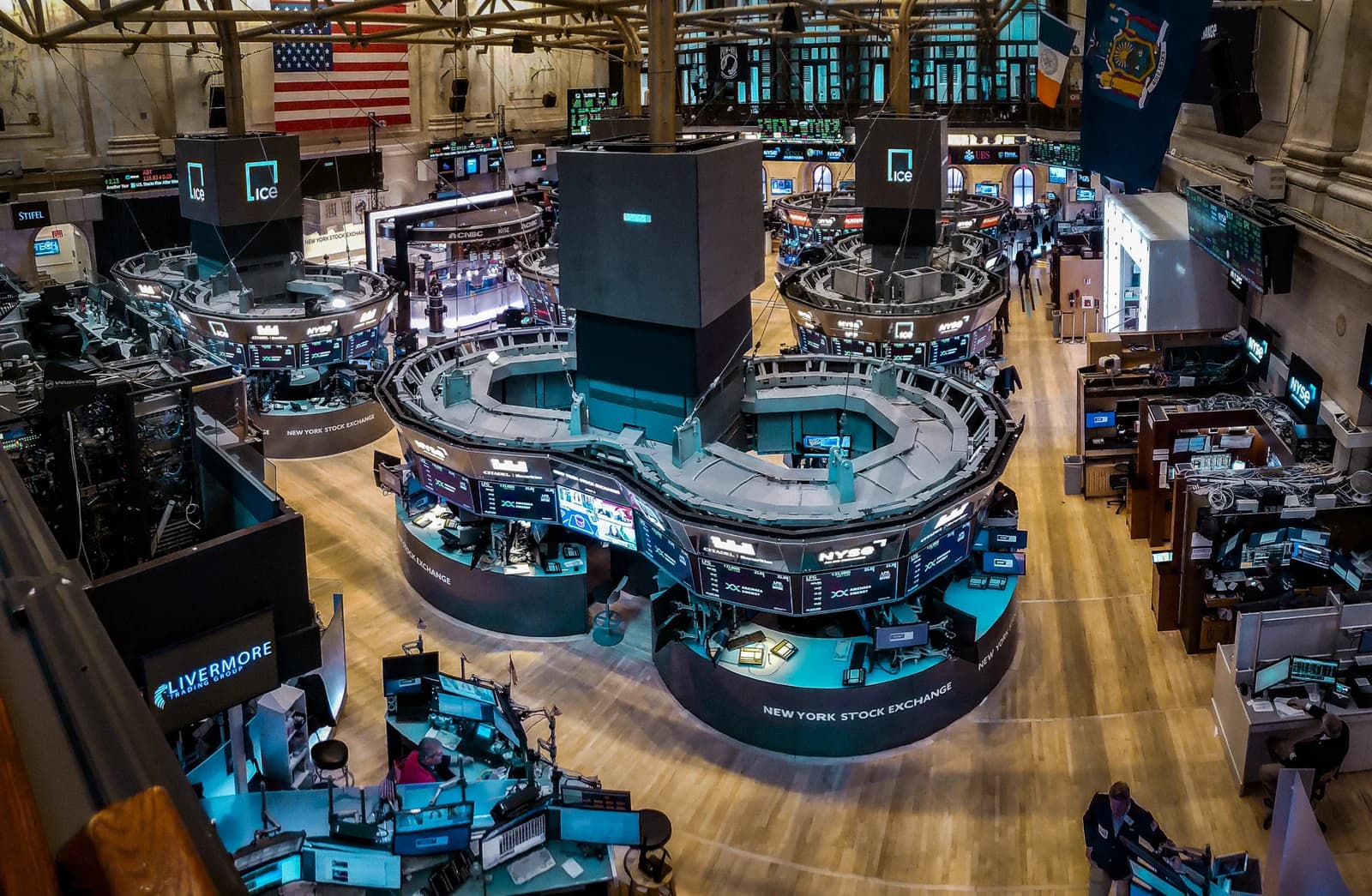
The shift matters because it changes the market’s working assumption about how far the Federal Reserve is prepared to tighten after its September quarter-point hike. Instead of preparing for back-to-back moves, traders now see the Fed taking time to gather more data, especially after softer inflation readings and a jump in bond yields that has already tightened financial conditions on its own.
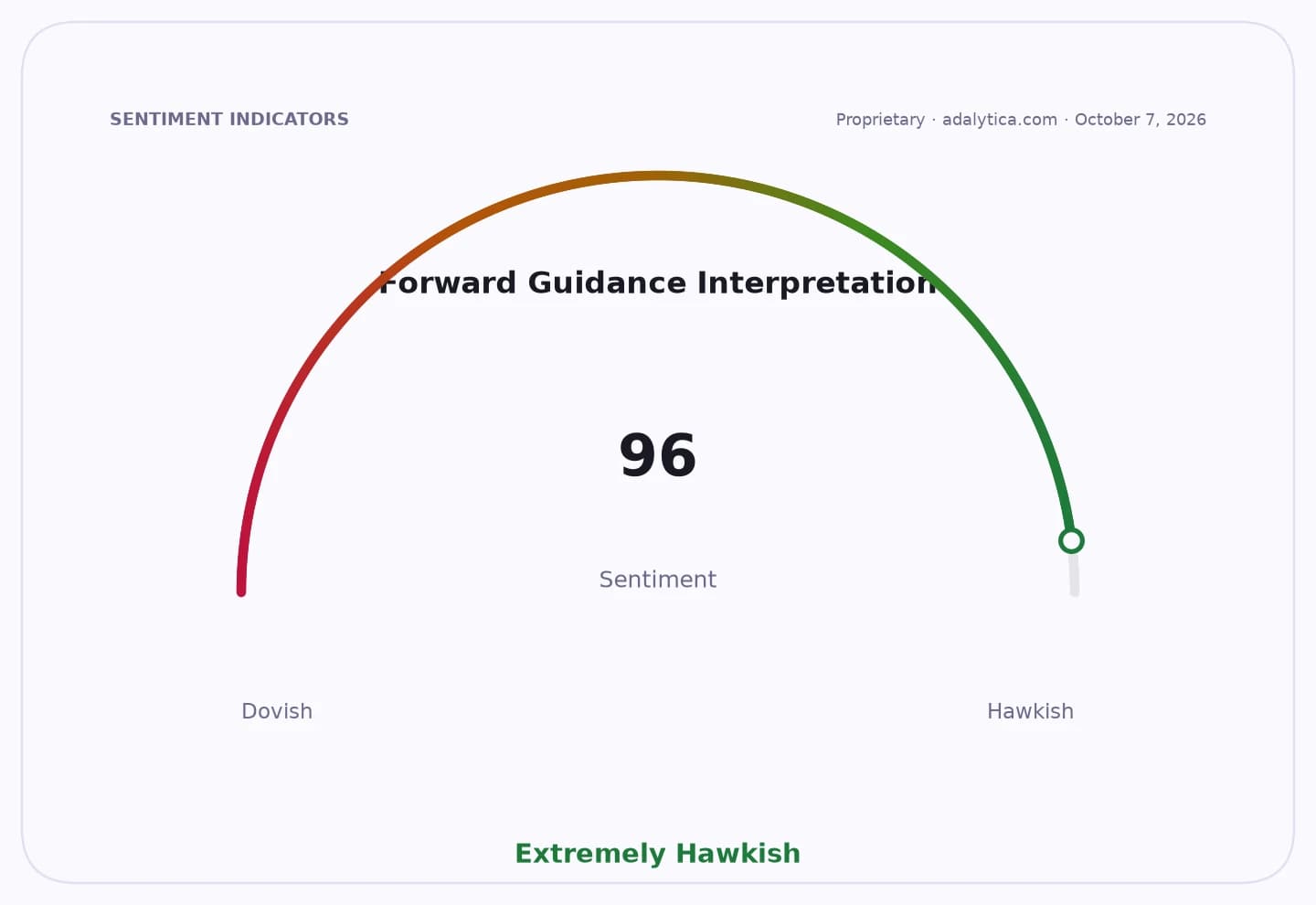
Sentiment IndicatorsⓘProprietary · adalytica.com · October 3, 2026
This is a snapshot — live sentiment, awareness and momentum for 130+ markets update continuously in the dashboard.Open AlphaPulse
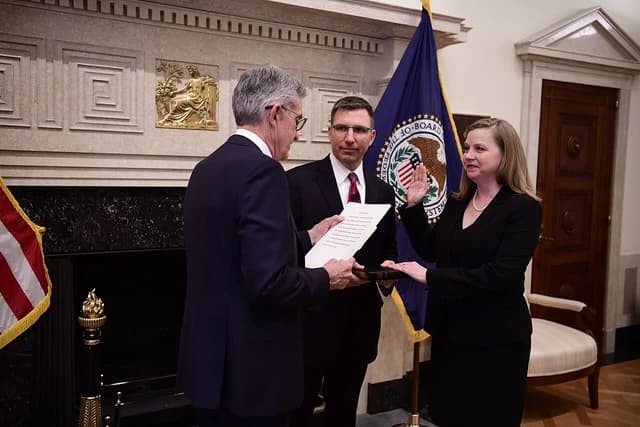
Vice Chair Philip Jefferson and New York Fed President John Williams were the key voices behind the adjustment. Their recent comments suggested policymakers believe they have room to assess the economy before deciding on another increase, even as inflation remains above target. That message was reinforced by Chicago Fed President Austan Goolsbee, who said both a hike and a cut remain possible, and by Governor Michelle Bowman, who said there was little urgency to move again.
The effect on rate expectations was immediate. Before Williams spoke, traders had assigned a 70% probability to a hike at the Oct. 27-28 meeting, based on federal funds futures. By the time Jefferson finished speaking Thursday, those odds had fallen to about 25%. Goldman Sachs economists said the combination of the two speeches reinforced their view that an October hike is unlikely, while Evercore ISI said the “joint message” from Jefferson and Williams was authoritative.
Market Expectations — 30-day sentimentadalytica.com
Explore this data interactively — full history, time series and cross-market comparisons.Open AlphaPulse

That repricing has wider economic consequences. If the Fed pauses, borrowing costs for households and companies may not rise as quickly as markets had feared, easing pressure on credit-sensitive sectors and reducing the risk that the central bank overtightens into a slowing economy. But a pause does not mean the tightening cycle is over. Dallas Fed President Lorie Logan, one of the more hawkish officials this year, said multiple additional increases would probably still be needed to bring inflation fully back to 2%, even as she acknowledged that higher term premiums in bond markets could help slow growth.
For investors, the nuance matters. The market is no longer trading as if a second hike is imminent, but neither is it pricing a clean pivot to easier policy. That tension helps explain the move in rate-sensitive assets: the SPY ETF has held near record levels while the long-duration TLT bond fund remains weak, reflecting a market that is still uneasy about the path of real yields and inflation.
The Treasury curve also underscored the message. The 2-year yield stood at 4.78%, well below the 10-year at 5.24%, a level that still implies restrictive policy and unresolved concerns over inflation persistence and term premiums. In other words, even if the Fed pauses in October, financial conditions remain tight enough to do some of the central bank’s work.
The communications shift also reflects a broader change in how the Fed is trying to steer markets. Under previous leadership, officials often used forward guidance to lock in expectations. Now, several economists say the Fed is leaning back toward data dependency, using speeches to prevent traders from pricing in a hike too aggressively before the inflation report due Oct. 14. That report could still reset the debate.
For investors, the immediate takeaway is that the balance of risks has moved away from an October hike but not decisively toward cuts. Markets are now focused on whether inflation data justify the Fed’s new tone or force policymakers back toward a harder line later in the year. If price pressures reaccelerate, the repricing could reverse quickly. If they keep cooling, the current pause narrative may harden into a more durable shift in policy expectations.
| Entity | Gains | Losses |
|---|---|---|
| Bond bulls | ▲Higher chance of a Fed pause | ▼Less pressure from front-end yields |
| Equities | ▲Easier financial conditions | ▼Lower odds of near-term tightening shock |
| Fed hawks | ▲Inflation remains above target | ▼Market doubts on another hike |
| Dollar bulls | ▲Higher-for-longer narrative | ▼Softer rate-hike pricing |