San Francisco Fed President Mary Daly said the central bank still may need to raise interest rates again if tariff, oil-price and artificial intelligence-related shocks keep feeding inflation, signaling that policymakers are not ready to declare victory over price pressures.
Fed Daly Says More Rate Hikes Could Still Be Needed
Daly backed the Fed’s September rate increase and told Axios that the case for more tightening depends on whether those shocks prove temporary or become embedded in the economy. Her comments matter because they reinforce that the Fed’s next move still hinges on inflation risks rather than any preset pause, even as some officials have sounded more comfortable holding rates steady in the near term.
The message lands at a delicate moment for markets. The benchmark federal funds rate is around 3.75%, while the 10-year Treasury yield has climbed to 5.31%, levels that keep financial conditions tight and raise borrowing costs for households and companies.
Investors have largely been betting the Fed is closer to the end of its hiking cycle. That view has helped fuel a powerful risk rally, with the SPY exchange-traded fund up to 777.19 and the Nasdaq recently hitting record highs, while bond proxies such as TLT remain under pressure.
FEDFUNDS vs CPIAUCSL — macro contextadalytica.com
Explore this data interactively — full history, time series and cross-market comparisons.Open AlphaPulse
But Daly’s framing shows why the market may be getting ahead of itself. If tariffs lift import prices, oil stays elevated because of Middle East conflict, or AI-related demand keeps distorting parts of the economy, the Fed could be forced to stay restrictive longer — or raise rates again — to keep inflation expectations anchored.
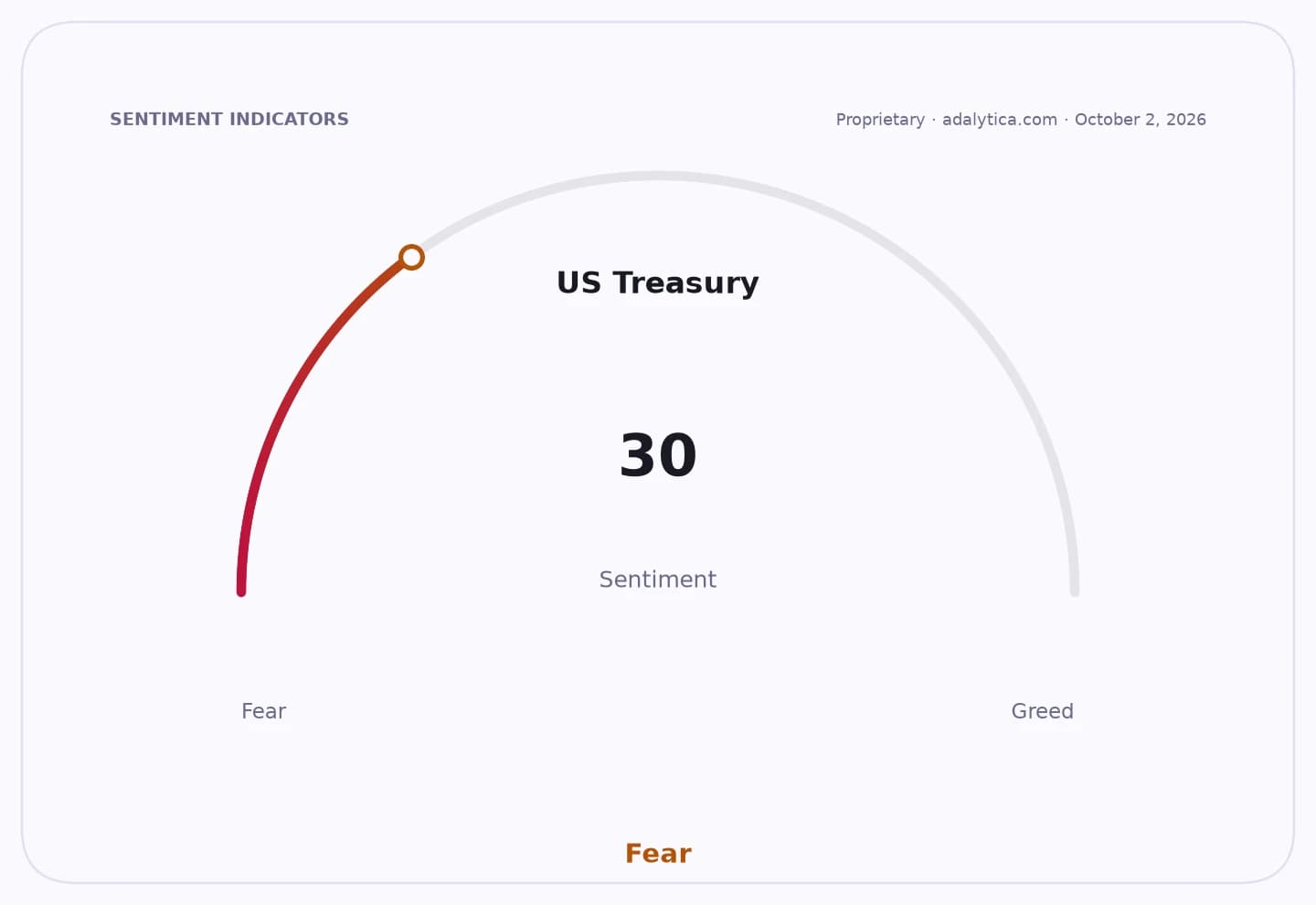
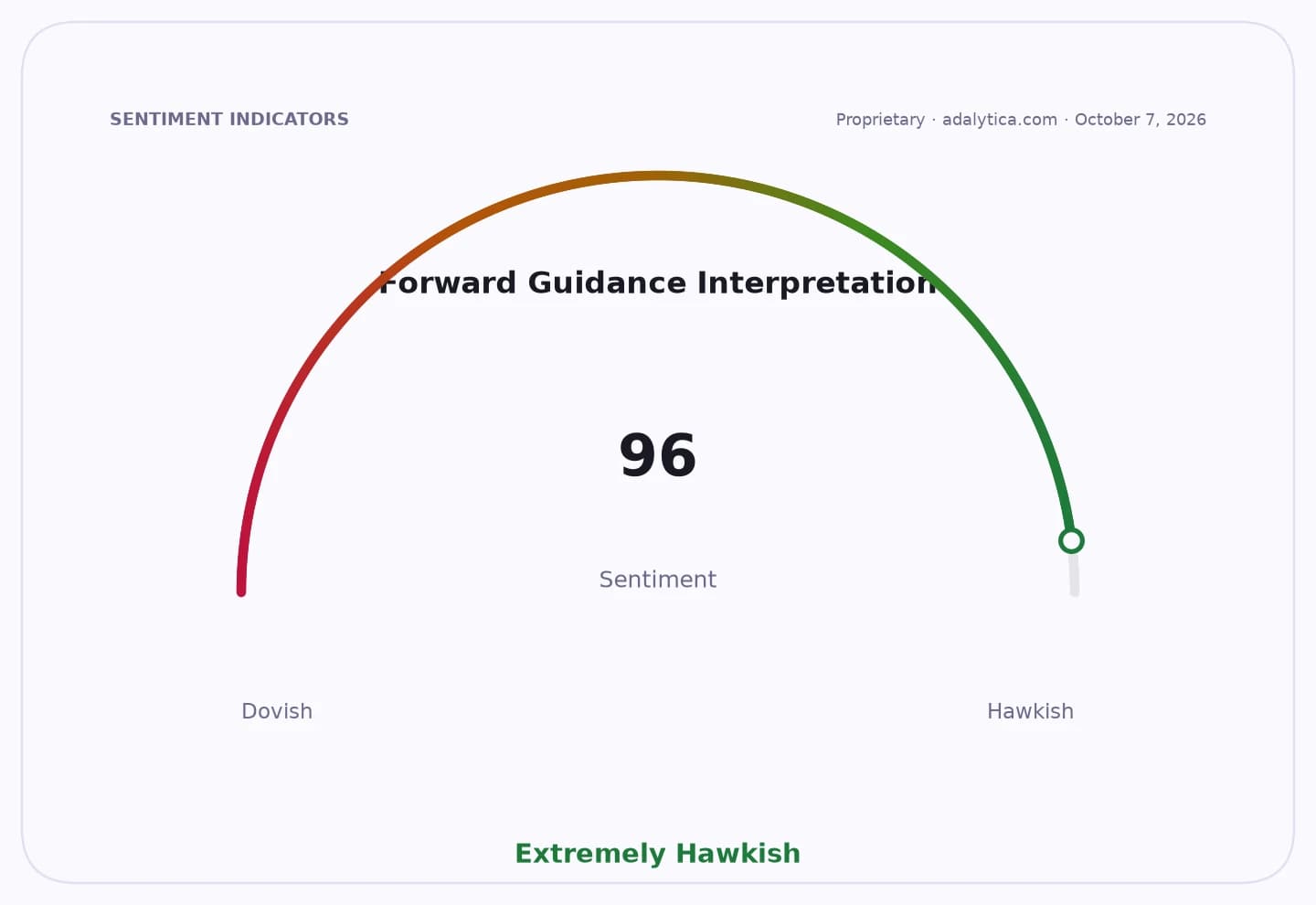
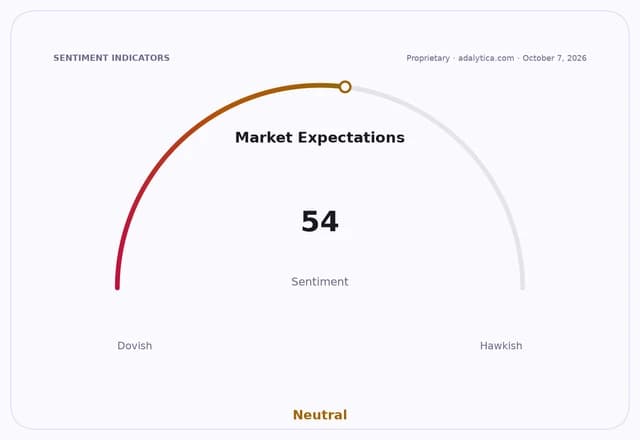
Adalytica’s Federal Reserve Forward Guidance sentiment gauge was still flashing “Extreme Greed” at 96, even as the market expectations gauge for Fed rate decisions sat at a neutral 54, suggesting traders are leaning toward a pause but remain vulnerable to a more hawkish turn.
For investors, that means duration-heavy assets, rate-sensitive growth stocks and highly leveraged borrowers remain exposed if inflation shocks broaden. The next major test is the Fed’s coming communication on whether policymakers see recent price pressures as a passing burst or the start of another tightening cycle.
| Entity | Gains | Losses |
|---|---|---|
| Banks and cash-rich lenders | ▲Wider-for-longer rate spreads | ▼Rate-sensitive borrowers |
| Treasury bears | ▲Higher yields, lower bond prices | ▼Long-duration bond holders |
| S&P 500 growth stocks | ▲Pause expectations if hikes stop | ▼If Daly’s hawkish stance returns |
| Consumers and importers | ▲None | ▼Higher financing and input costs |