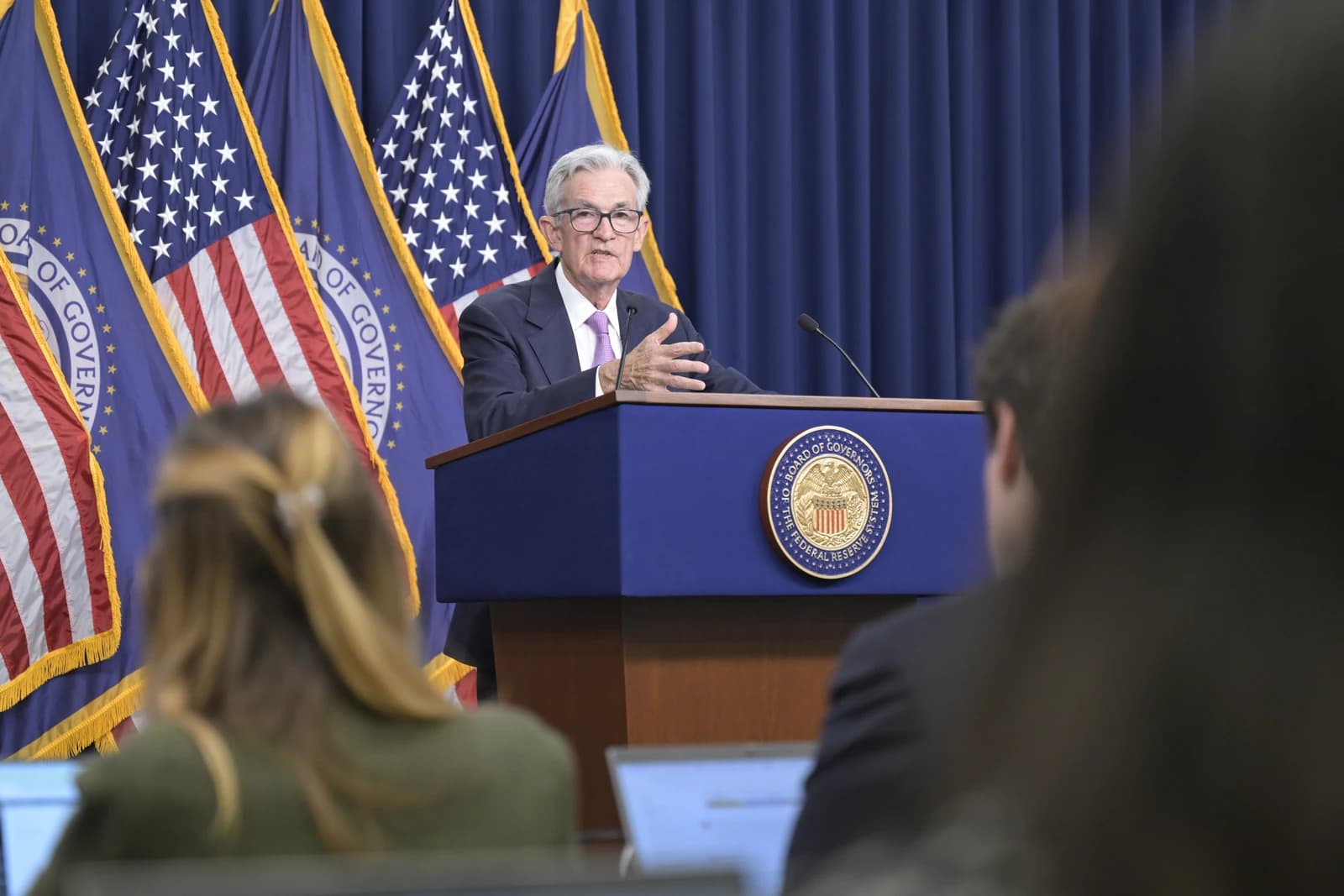
Robert Kaplan is warning that investors may be getting ahead of the Federal Reserve, arguing that the bond market has priced in more rate hikes than the economy can comfortably absorb even as inflation and fiscal pressures keep long-term yields elevated.
Kaplan says Fed may pause after September hike
The former Dallas Fed president said a September increase was appropriate, but his base case is for the central bank to pause in October and then possibly deliver one more quarter-point move in December, rather than the three additional hikes some traders had been betting on. That view matters because it goes to the heart of whether policy is near a peak or whether markets are still underestimating the Fed’s resolve.
Sentiment IndicatorsⓘProprietary · adalytica.com · September 29, 2026
This is a snapshot — live sentiment, awareness and momentum for 130+ markets update continuously in the dashboard.Open AlphaPulse
Kaplan’s argument is grounded in an economy that is no longer moving in lockstep. He said inflation remains too hot for comfort, with monthly readings still running close to a 3% annualized pace, but demand is weakening in rate-sensitive pockets such as autos, housing and lower-income consumers. At the same time, capital spending tied to artificial intelligence infrastructure and defense remains strong, helping the broader economy avoid a more obvious slowdown.
That split is one reason he thinks a prolonged tightening campaign would be a mistake. After another quarter-point increase, he said the policy rate would land in the 4%-4.25% range, near what he sees as neutral for the economy. For investors, that is a crucial distinction: if the Fed is already close to neutral, the risk shifts from chasing inflation down to overtightening into sectors that are already feeling strain from higher borrowing costs.
The bond market, however, is still demanding a larger premium. The 10-year Treasury yield has climbed above 5%, reflecting not just expectations for Fed policy but also concerns about sticky oil prices and the US fiscal outlook. Kaplan said higher deficit projections and the absence of a credible consolidation plan are making it harder for long-term yields to fall, meaning investors should not attribute all of the move in the front end and long end of the curve to the central bank alone.
That helps explain why Treasury trading has become more volatile and why market expectations for Fed policy, as captured by Adalytica’s expectations gauge, are flashing extreme fear. The central bank’s forward-guidance sentiment is also in distressed territory, underscoring how little conviction investors have about the path ahead and how sensitive markets remain to every new data point and policy signal.
The implications are straightforward. If inflation pressures from energy and wages prove persistent, the Fed may still have room to tighten again, especially if policymakers conclude that growth is proving more resilient than expected. But if Kaplan is right, the bigger risk for markets is not a handful of extra hikes — it is the possibility that yields, already elevated by fiscal worries and oil, have done enough tightening on their own.
For equity investors, that means the burden of proof remains on the disinflation trade. Rate-sensitive sectors such as housing, autos and small-cap credit stories still face pressure if real yields stay high. By contrast, companies tied to AI infrastructure, defense and balance-sheet strength are better positioned if the economy continues to split into winners and losers rather than moving into a broad recession.
| Entity | Gains | Losses |
|---|---|---|
| Long-duration Treasury sellers | ▲Higher yields | ▼Price support |
| Rate-sensitive borrowers | ▲Slower policy tightening | ▼Cheap financing |
| AI infrastructure and defense firms | ▲Strong capital spending | ▼ |
| Housing, autos and lower-income consumers | ▲ | ▼Higher borrowing costs |