The New York Fed’s top official is signaling that the central bank sees no need to overhaul its interest-rate operating framework just as short-term funding markets remain under strain and Treasury yields stay elevated.
New York Fed backs ample reserves framework

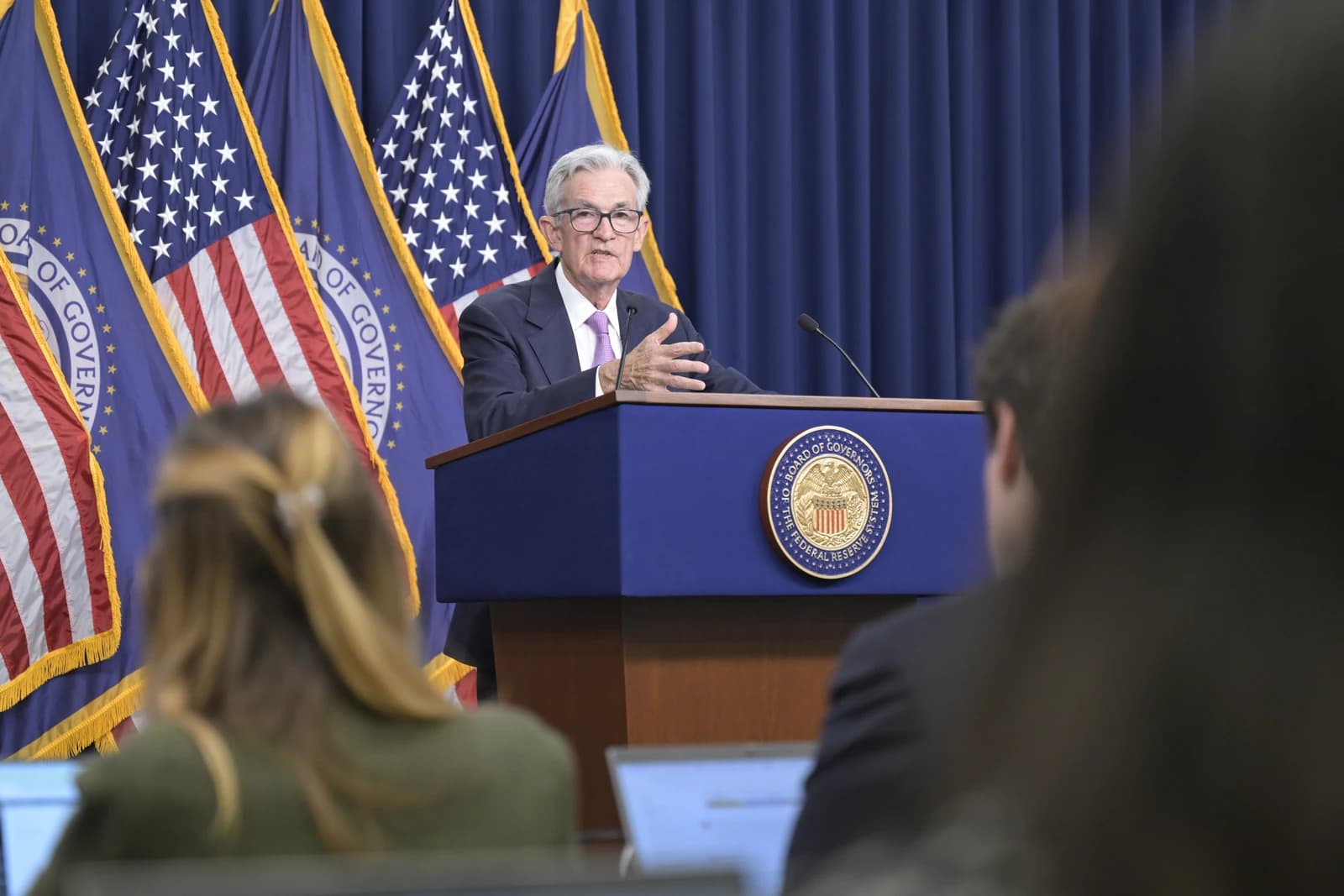
John Williams said the Fed’s current toolkit has been “highly effective” at delivering rate control and keeping core markets functioning smoothly, reinforcing the case for continuing to supply “ample” reserves to the banking system rather than returning to the lean-liquidity model that existed before the 2008 financial crisis.
Sentiment IndicatorsⓘProprietary · adalytica.com · September 26, 2026
This is a snapshot — live sentiment, awareness and momentum for 130+ markets update continuously in the dashboard.Open AlphaPulse

That matters because the Fed’s operating framework is the plumbing behind every rate hike, cut and balance-sheet move. If the central bank can keep overnight borrowing rates anchored with a large reserve cushion, it reduces the risk of funding-market dislocations that can spill into bank funding costs, Treasury trading and risk assets more broadly. Investors have been paying close attention to that debate as the Fed balances inflation control against the need to preserve market stability.
Williams did not discuss the policy outlook in the prepared remarks and took no questions, but his message was clear: the Fed believes its current approach is doing the job. He said there should be “little or no opportunity cost” to holding reserves at the central bank, arguing that a high cost would be “inefficient” and create distortions that interfere with market functioning.
The subtext is important for markets. By defending the abundant-reserves regime, Williams is effectively backing a system that gives the Fed greater control over short-term rates even when balance-sheet policy is changing. That is supportive for Treasury market liquidity, bank reserve management and the broader financial system, especially after years in which investors have worried about whether the Fed’s shrinking footprint could trigger volatility in money markets.
Treasury yields were already signaling a more restrictive backdrop. The 10-year note was trading around 5.19% in the latest data, while the 2-year yield sat near 4.88%, a reminder that the front end of the curve remains tightly tethered to Fed policy expectations. In that environment, the Fed’s assurance that its rate-control mechanism is working as intended helps reduce one source of uncertainty, even if it does nothing to settle the broader debate over how long rates stay high.
For investors, the takeaway is straightforward: this is not a dovish signal, but it is a stabilizing one. It supports the view that the Fed wants to preserve market functioning while keeping policy restrictive enough to fight inflation. That is constructive for Treasury market participants and for financials that rely on orderly funding conditions, but it also means rate-sensitive assets are unlikely to get an easy policy reprieve.
In the near term, the key catalyst is whether reserve demand shifts as regulations, market structure and Treasury issuance evolve. Williams said the Fed will adjust supply over time if that happens. That suggests the central bank is preparing to stay flexible, not to abandon its current framework. For bond investors, that means the Fed is still committed to being the backstop for market plumbing — and that the battle over the level of rates may matter less than the Fed’s determination to keep control of how those rates transmit through the financial system.
| Entity | Gains | Losses |
|---|---|---|
| Federal Reserve | ▲Rate control credibility | ▼Pressure to change framework |
| Treasury market | ▲Smoother functioning | ▼Volatility from reserve scarcity |
| Banks | ▲Stable funding plumbing | ▼Higher reserve opportunity cost |
| Rate-sensitive assets | ▲Less policy uncertainty | ▼No immediate dovish pivot |