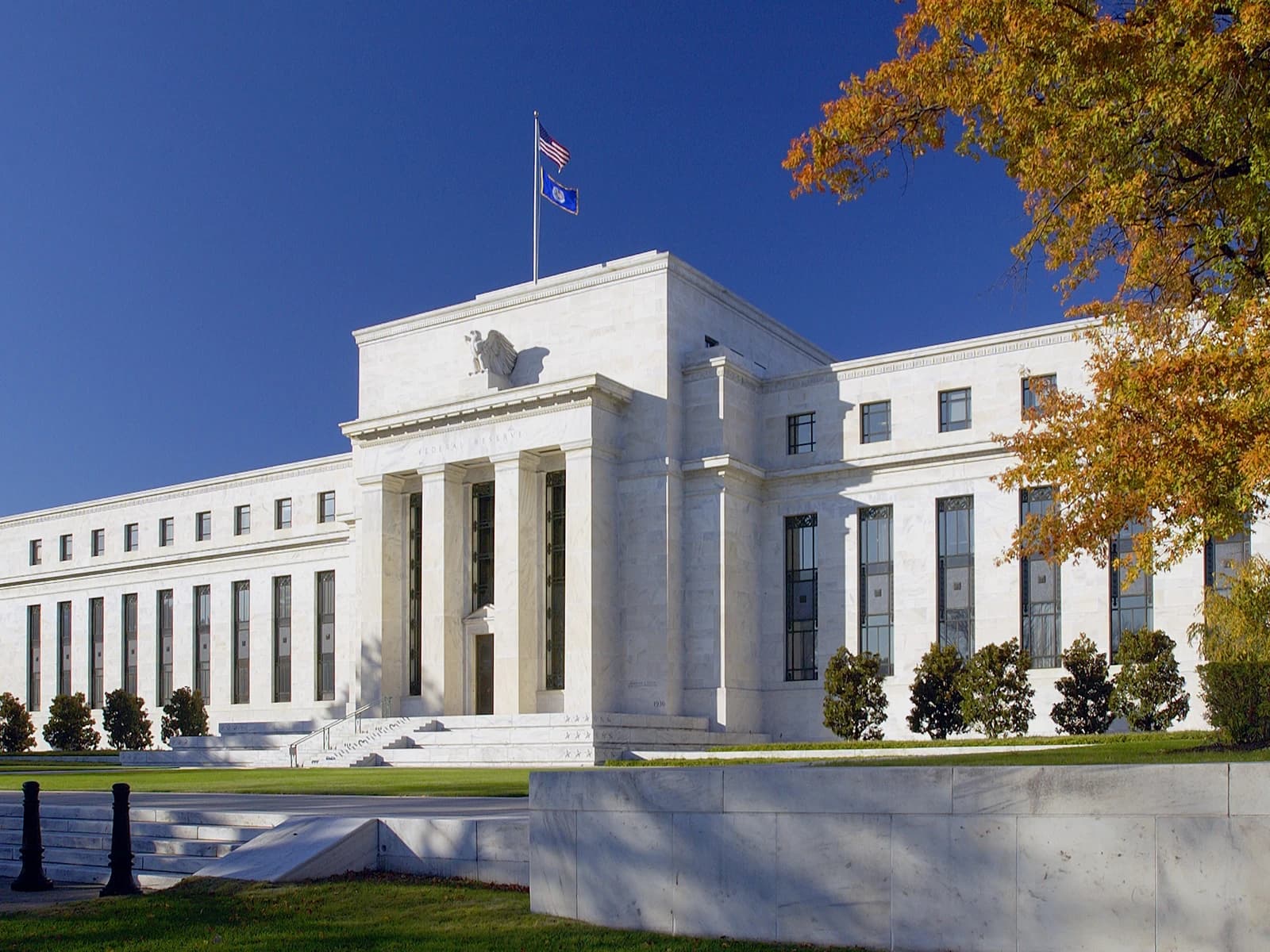
Traders are still betting the Federal Reserve’s hawkish turn will keep inflation in check, even as rising Treasury yields and sticky energy prices prevent a clean rally in stocks and bonds.
Fed credibility lifts stocks as yields near 5%

The key market shift is not that investors suddenly welcome higher rates, but that the Fed appears to have reasserted its anti-inflation credibility without signaling a new, aggressive tightening cycle. That combination has helped calm markets after the policy meeting, yet it has not fully resolved the pressure points that matter most for asset prices: the 10-year Treasury yield again probing 5%, oil still elevated despite a recent pullback, and equity valuations no longer commanding the kind of premium they did earlier in the year.
Sentiment IndicatorsⓘProprietary · adalytica.com · September 25, 2026
This is a snapshot — live sentiment, awareness and momentum for 130+ markets update continuously in the dashboard.Open AlphaPulse

That is why the reaction has been mixed. The S&P 500 has been swinging between gains and losses, while bond investors remain wary that higher-for-longer rates could persist if energy-related inflation remains firm. Barclays strategists said the Fed restored credibility by showing it was not “falling behind the curve,” but warned rates and equities may not stabilize until energy inflation eases. In other words, the market is less worried about a policy mistake than about the economy’s ability to absorb restrictive rates while inflation pressures stay broad enough to keep real yields elevated.
The macro backdrop helps explain the tension. A 10-year yield near 5% is a meaningful hurdle for equities because it raises the discount rate applied to future earnings and makes richly valued growth stocks harder to justify. That is particularly relevant for technology, where investors are already questioning the durability of AI spending and the pace of returns on that capital outlay. The result has been a rotation: software has regained some footing, semiconductors have stalled, and broader index valuations have been de-rated back toward long-term averages.
Hawkish vs Dovish Sentiment — 30-day sentimentadalytica.com
Explore this data interactively — full history, time series and cross-market comparisons.Open AlphaPulse
Still, the message from traders is not outright risk aversion. Options positioning was already cautious into the meeting, and Friday’s large quarterly expiry helped reset some exposures. Societe Generale’s Manish Kabra said robust earnings growth, contained credit spreads and subdued volatility leave the S&P 500 supported beyond near-term turbulence, even if the yield curve remains a critical signal. Bank of America, by contrast, argues positioning is still too bullish and that investors should favor quality, value and yield as earnings growth normalizes next year.
The deeper narrative is that markets are trying to separate two very different forces: higher rates caused by persistent inflation, and higher rates caused by collapsing growth. So far, investors are treating this as the first case rather than the second, which is why equities have not broken down more sharply. That distinction matters because it leaves room for a rebound if inflation data cools and earnings season beats expectations, but it also means any further rise in energy prices or bond yields could quickly push risk assets back onto the defensive.
For investors, the next few weeks are likely to be about confirmation. If inflation eases and corporate results hold up, the Fed’s hawkish credibility could look like a clearing event for equities. If not, the market may conclude that the central bank has regained control of the message, but not yet of the path that determines valuations.
| Entity | Gains | Losses |
|---|---|---|
| Fed | ▲Credibility on inflation | ▼Tolerance for policy errors |
| Equities | ▲Support from solid earnings | ▼Higher discount rates |
| Long-duration bonds | ▲Hawkish policy certainty | ▼Yields near 5% |
| AI and growth stocks | ▲Selective software rebound | ▼Semiconductors, high-multiple names |