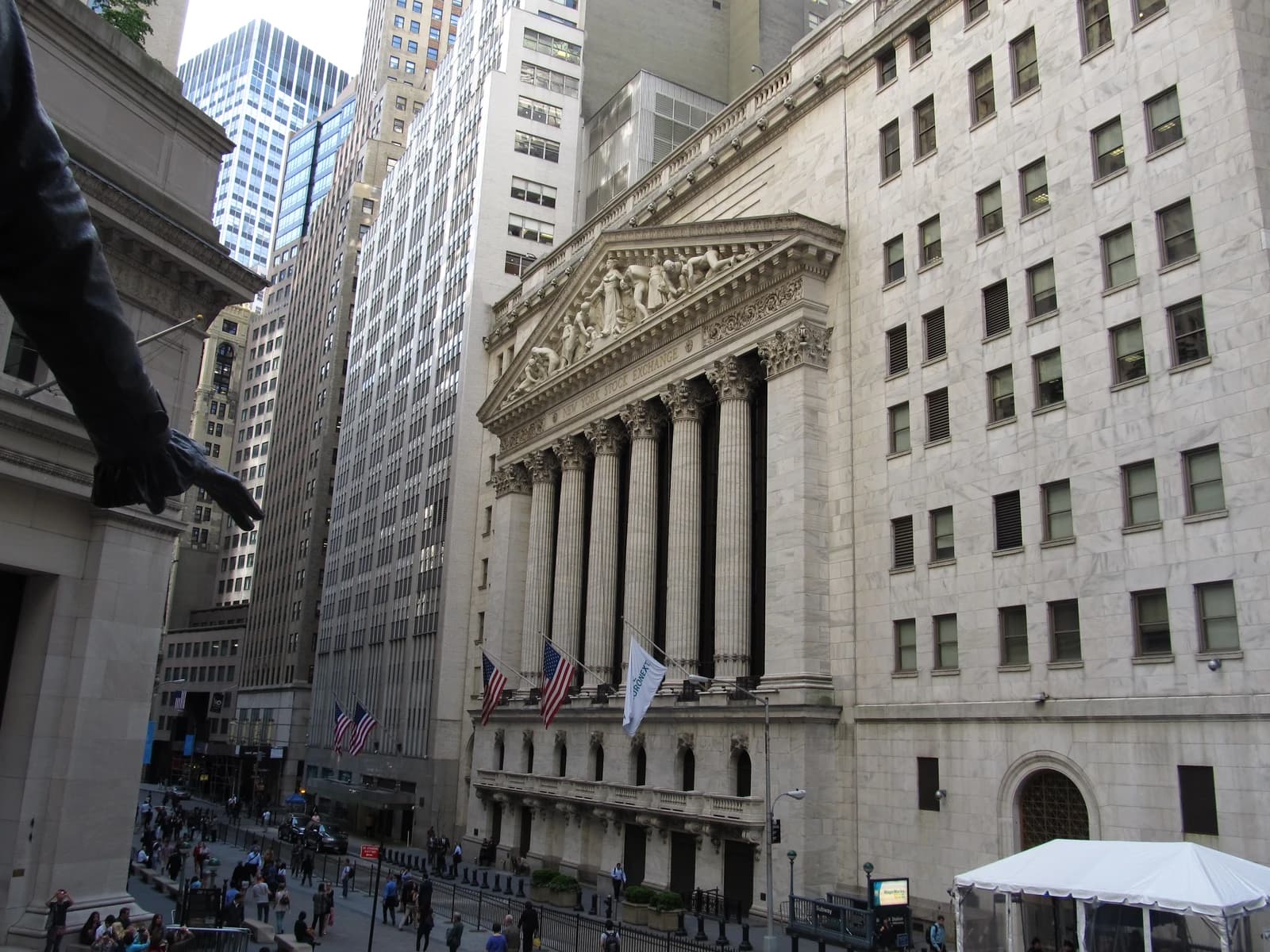
U.S. inflation rose less than expected in August, giving the Federal Reserve room to pause another rate increase and triggering a rally in stocks and bonds.
U.S. PCE Inflation Cools, Fed Rate-Hike Odds Fall
The Personal Consumption Expenditures price index, the Fed’s preferred inflation gauge, climbed 0.3% from July and 3.4% from a year earlier, below economists’ expectations for a 0.4% monthly gain. Core PCE, which strips out food and energy, also rose 0.2% on the month and held at 3.0% year over year. That is still well above the central bank’s 2% target, but it was enough to reset market expectations for an October move.
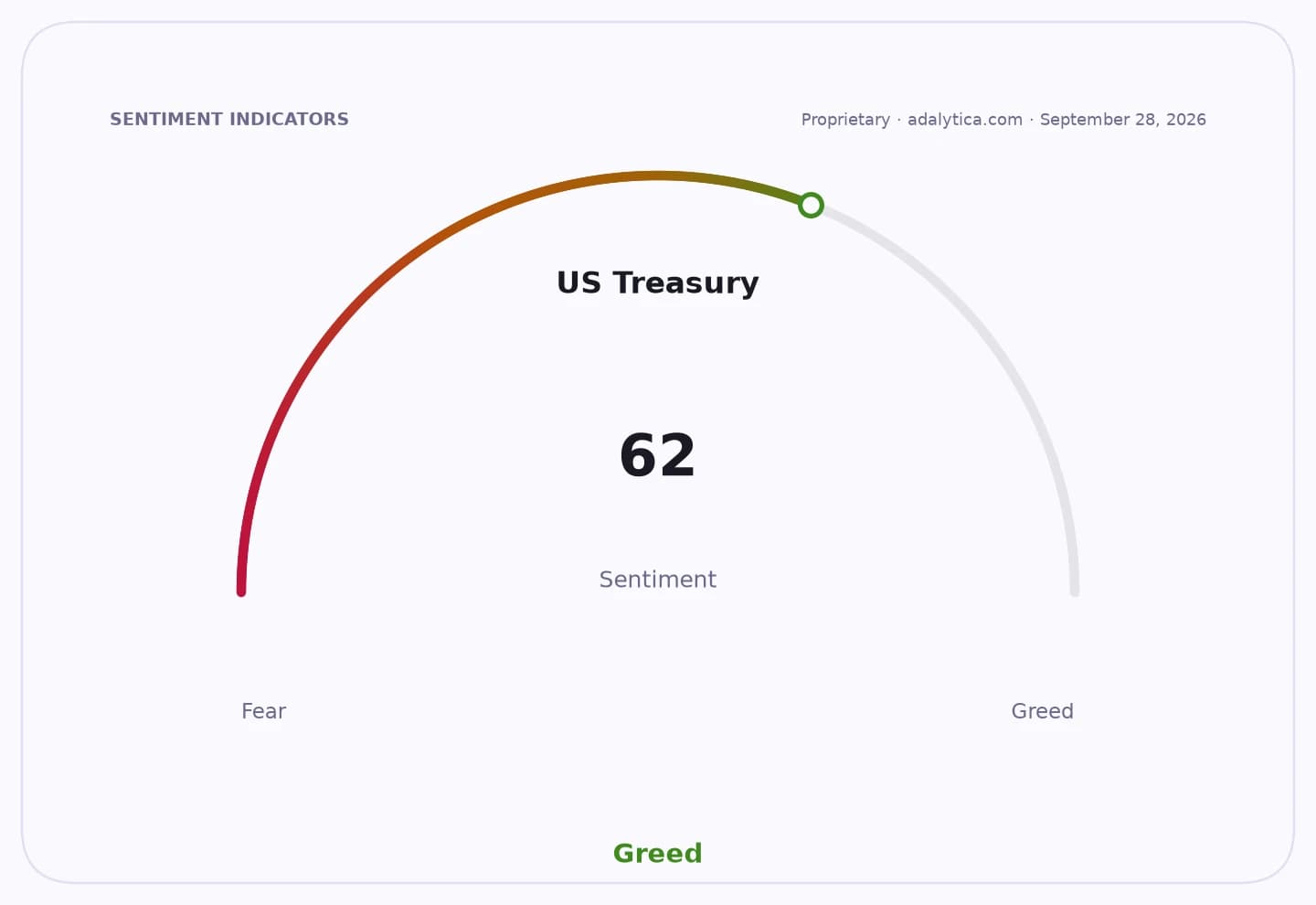
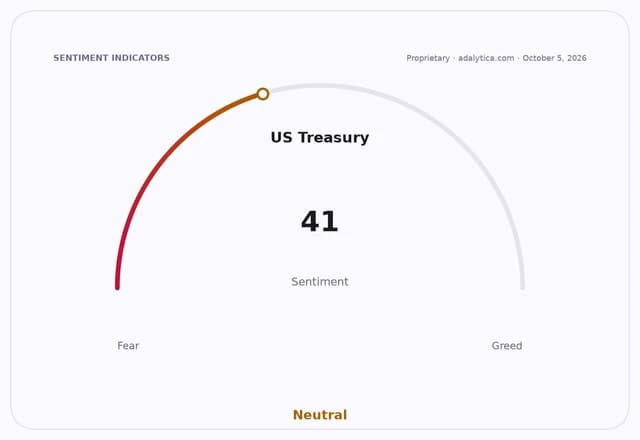
Sentiment IndicatorsⓘProprietary · adalytica.com · October 5, 2026
This is a snapshot — live sentiment, awareness and momentum for 130+ markets update continuously in the dashboard.Open AlphaPulse
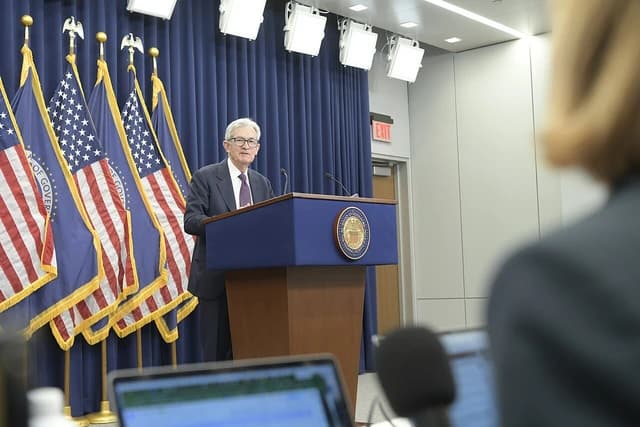
The reaction was immediate. Traders cut the probability of a rate increase at the Fed’s October 28 meeting to about 34.9% from 51.5% before the data, and from 70% just two days earlier, according to CME FedWatch. U.S. equities rose, Treasury yields fell and the dollar weakened, a classic sign that investors saw the inflation print as reducing near-term policy risk.
The report matters because it arrives at a sensitive point for the U.S. economy. Consumer spending, which drives more than two-thirds of output, jumped 0.9% in August after a revised 0.1% increase in July, while real spending rose 0.6%. That combination suggests demand remains resilient even as inflation cools only gradually, making the Fed’s job harder: prices are easing slower than policymakers want, but the economy is not weakening enough to force their hand.
There are reasons for both caution and relief. On the hawkish side, inflation remains elevated at 3.4% overall and 3.0% on the core measure, and the August spending strength implies households are still willing and able to spend. On the dovish side, the undershoot versus forecasts supports the view that the tightening cycle is becoming more restrictive and that the Fed can wait for additional data before moving again. BMO Capital Markets’ Sal Guatieri said the report may “buy the Fed time” to skip October, though he still sees another hike by year-end.
For investors, the implications are immediate. Short-term rate expectations drive Treasury pricing, dollar direction and equity valuations, especially for growth stocks and other long-duration assets. The drop in yield expectations was reflected in the market moves, while the softer dollar can help multinational earnings and ease financial conditions. But the underlying message is not unambiguously benign: if inflation proves sticky while consumption stays firm, the Fed could still have to tighten further, limiting how far bond yields and risk assets can rally.
The broader narrative is that the U.S. economy is slowing just enough on inflation to keep the Fed cautious, but not enough on demand to end the tightening debate. That leaves markets trading every new price report as a referendum on whether policy has peaked or merely paused.
| Entity | Gains | Losses |
|---|---|---|
| U.S. stocks | ▲Easier policy outlook | ▼Slower profits if hikes resume |
| Treasury bondholders | ▲Yields fall | ▼Price losses if inflation reaccelerates |
| Dollar bears | ▲Greenback weakens | ▼Stronger dollar if Fed stays hawkish |
| Fed hawks | ▲Persistent inflation supports caution | ▼Less room to hike immediately |