The dollar eased in New York trading on Thursday as investors continued to bet the Federal Reserve will keep rates unchanged this month, even after one Fed governor reiterated that another hike may still be needed to tame inflation.
Dollar Eases as Fed Hold Bets Persist

That gap between policy rhetoric and market pricing is what matters now. Currency traders are looking past the Fed’s hawkish tone and focusing on the softer labor backdrop, a combination that has already knocked the dollar index down 0.1% to 102.138 and kept the greenback under pressure versus the yen, Swiss franc and Canadian dollar.
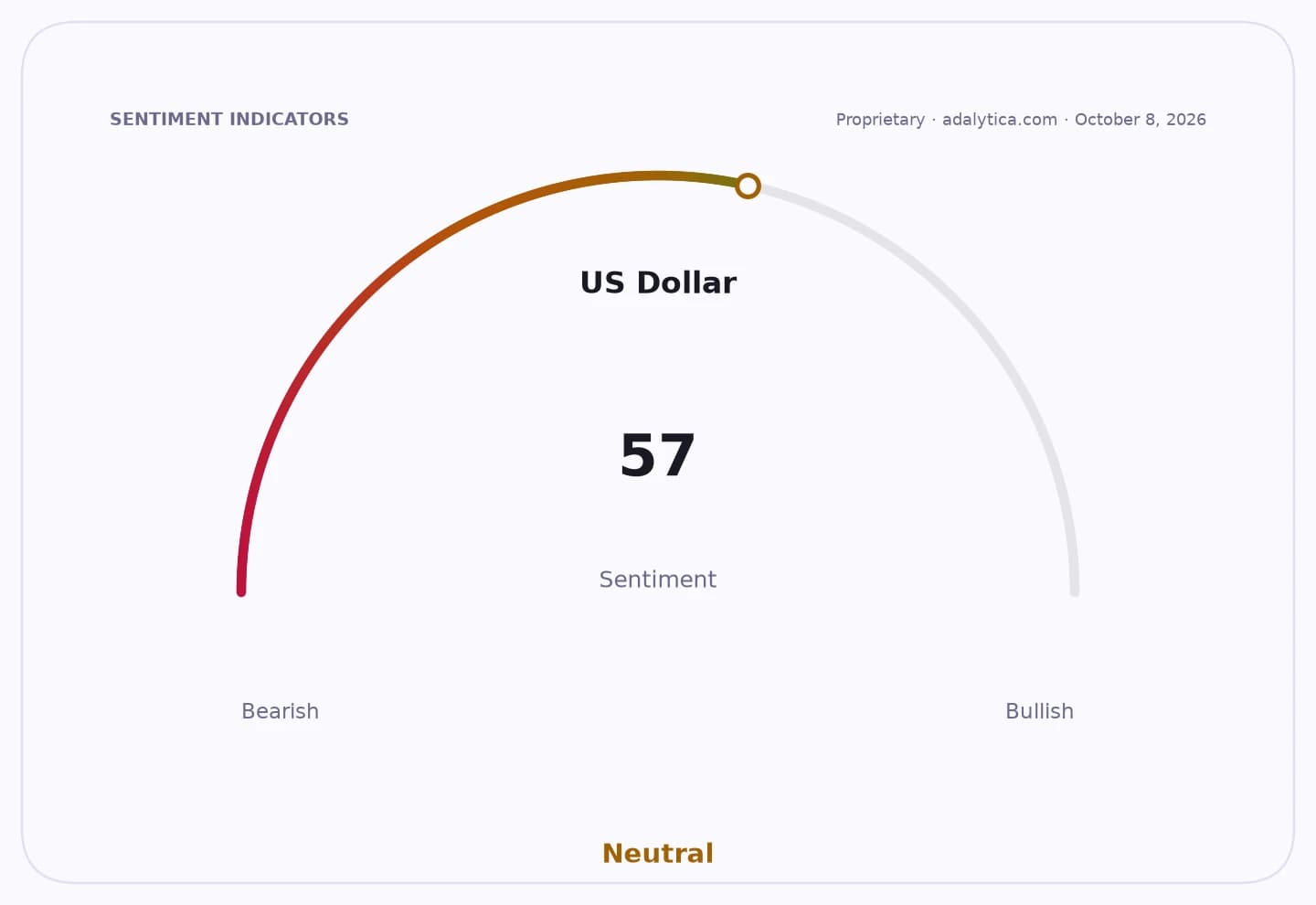
Sentiment IndicatorsⓘProprietary · adalytica.com · October 10, 2026
This is a snapshot — live sentiment, awareness and momentum for 130+ markets update continuously in the dashboard.Open AlphaPulse

The move is small on the day, but the message is larger: the market is no longer willing to price policy tightening solely on official commentary. CME Group’s FedWatch Tool still shows expectations for no change at the October meeting after U.S. nonfarm payrolls rose just 29,000 in September, far short of the 89,000 economists expected. Weekly jobless claims also fell to 197,000, near a 57-year low, underscoring that the labor market remains resilient enough to keep the Fed on alert, but not hot enough to force immediate action.
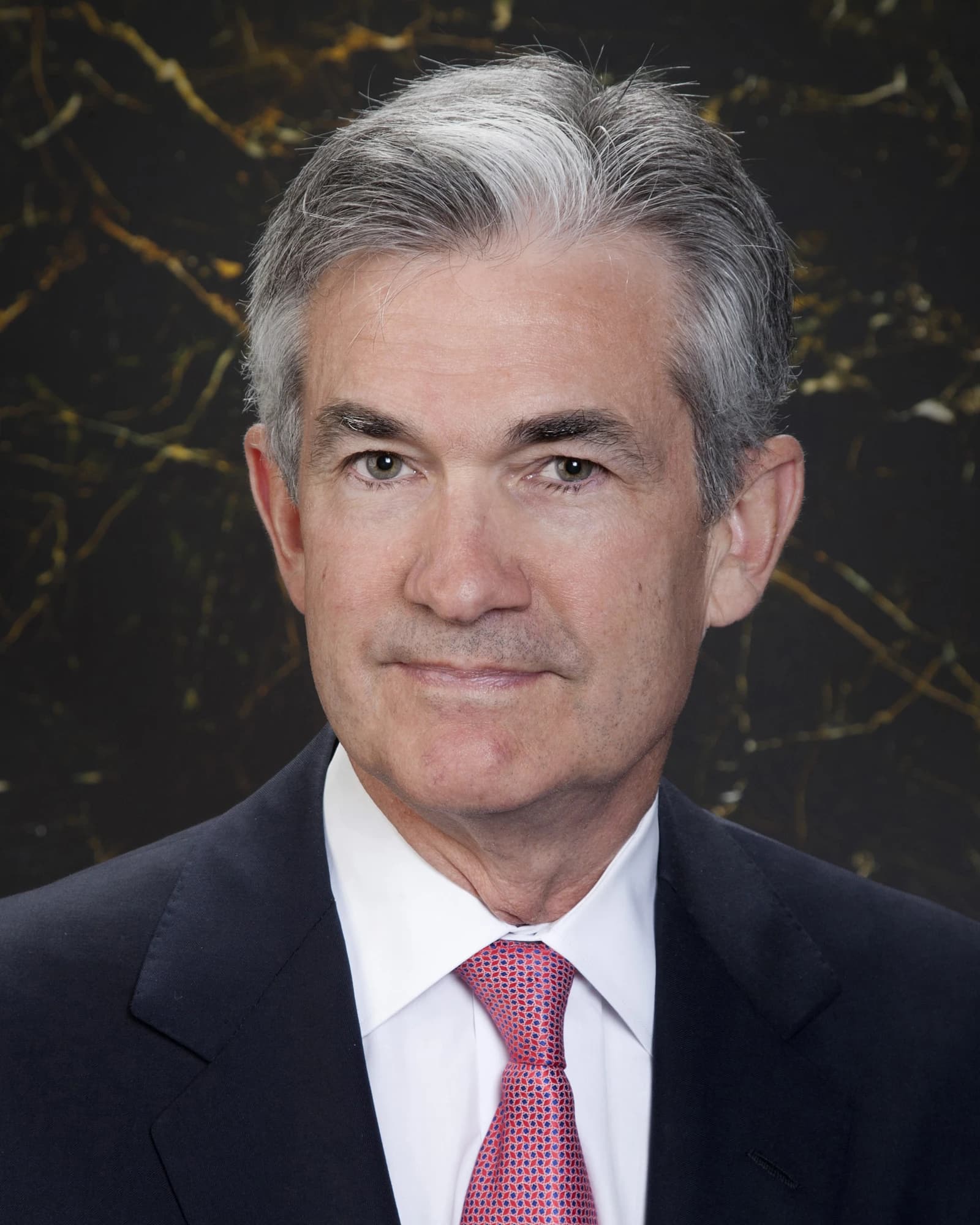
Christopher Waller reinforced that tension by saying the Fed may need to raise rates again to bring inflation back to its 2% target, while adding that the timing is flexible and the hikes do not need to come back to back. That nuance matters for bond and currency markets: it preserves the hawkish option without forcing traders to abandon the view that October is a hold.
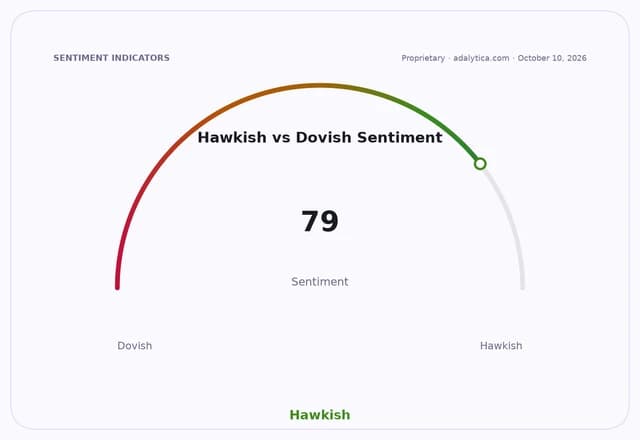
Hawkish vs Dovish Sentiment — 30-day sentimentadalytica.com
Explore this data interactively — full history, time series and cross-market comparisons.Open AlphaPulse
The result is a market that is trying to price a slower, more data-dependent tightening path. The euro rose to $1.1209 from $1.1199, while sterling climbed to $1.3225 from $1.3219. The dollar slipped to 157.86 yen from 157.96, to 0.8316 Swiss franc from 0.8330, and to C$1.4224 from C$1.4256.
For investors, the setup argues for staying selective on dollar exposure rather than treating the greenback as a one-way macro trade. A softer dollar typically supports non-U.S. assets, commodity producers and multinational earnings, while rate-sensitive corners of the market become more attractive if the Fed pauses longer than expected. Treasury positioning also matters: the 10-year yield at 5.22% and the 2-year at 4.75% show markets still demanding a premium for policy risk, but the currency market is telling us the next major move may come from a delayed or gentler Fed path, not an immediate acceleration.
Our thesis is that the market underestimates how quickly Fed expectations can unwind once investors decide the next hike is optional, not imminent. That creates an asymmetric opportunity in assets that benefit from a weaker dollar and a less aggressive rate path, while making outright long-dollar bets increasingly dependent on a fresh inflation surprise.
| Entity | Gains | Losses |
|---|---|---|
| Non-U.S. currencies | ▲Stronger FX levels | ▼Dollar bulls |
| U.S. exporters | ▲Translation tailwind | ▼Importers paying in dollars |
| Gold and commodities | ▲Easier pricing support | ▼Real-rate bulls |
| Dollar ETFs / long USD traders | ▲Limited upside if Fed pauses | ▼If October hike bets fade |