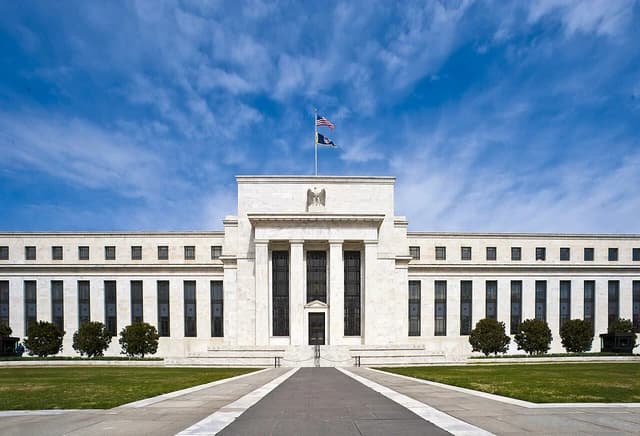
A top Federal Reserve official is signaling that the central bank is still prepared to raise interest rates again, reinforcing the case for a longer period of tight money as inflation remains above target in the U.S.
Fed Musalem Signals More Rate Hikes

Alberto Musalem, president of the St. Louis Fed, said the economy is “quite strong” and that price pressures are still being driven by persistent demand and repeated supply shocks, making it necessary to “firmly” contain any further spread of inflation. He said additional tightening will likely be needed to bring inflation back to the Fed’s 2% goal, and he expects rates to move higher over the next six to nine months.
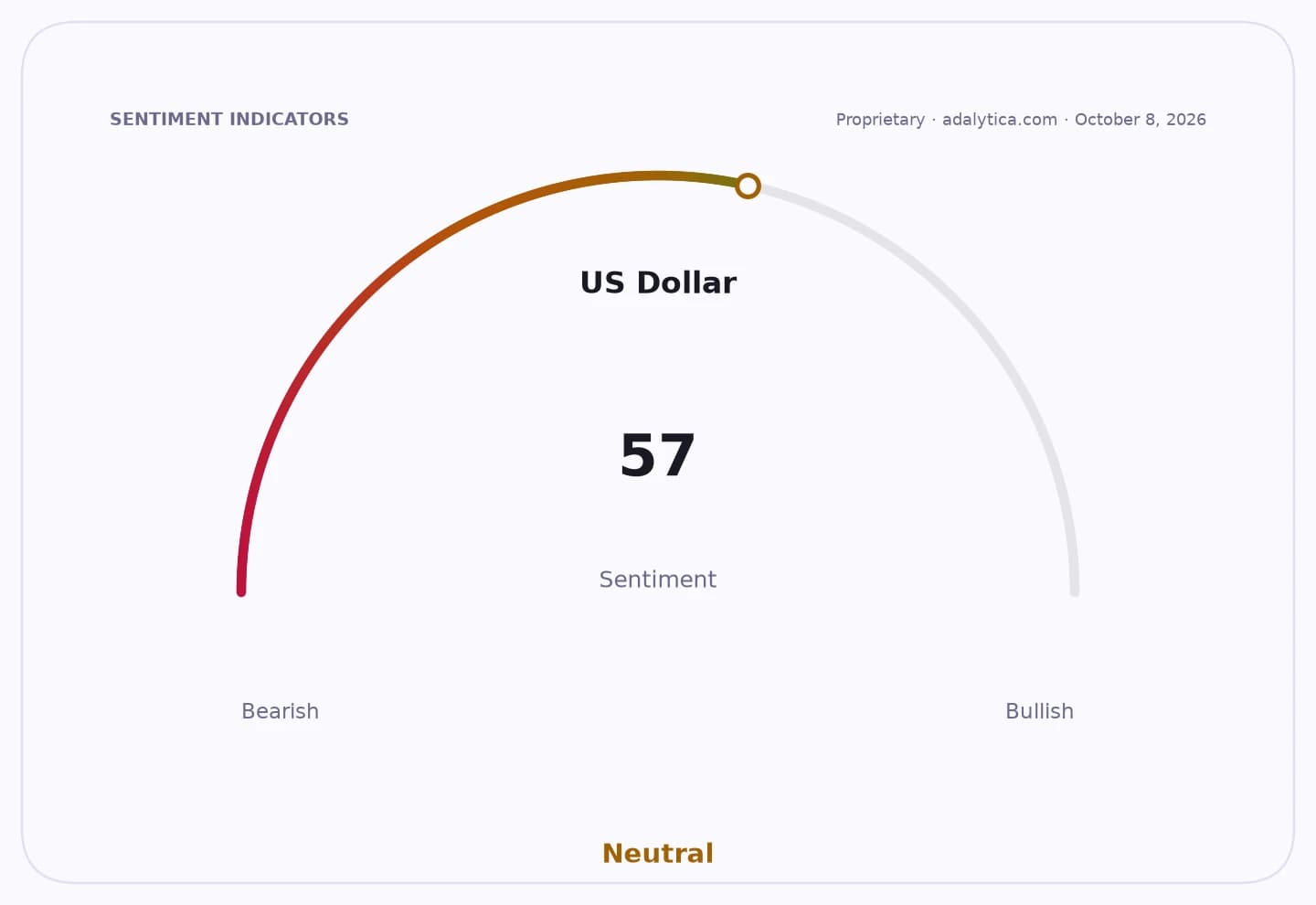
Sentiment IndicatorsⓘProprietary · adalytica.com · October 10, 2026
This is a snapshot — live sentiment, awareness and momentum for 130+ markets update continuously in the dashboard.Open AlphaPulse

That matters because the Fed is not talking about an economy in need of rescue. It is talking about one that can tolerate more restraint. Musalem’s comments underscore a central investment reality: if growth stays resilient while inflation stays sticky, the policy path tilts toward higher-for-longer rates, not an early easing cycle. That is a headwind for rate-sensitive assets, but it also creates opportunities in sectors that benefit from scarcer capital, stronger pricing power and a still-supportive nominal growth backdrop.
The message landed with investors already bracing for tighter financial conditions. The 10-year Treasury yield has climbed to around 5.2%, while the dollar has strengthened, reflecting a market that is increasingly willing to price in more policy tightening. Long-duration bonds have been punished: the iShares 20+ Year Treasury Bond ETF, TLT, has fallen to about 77.98, well below its 50-day moving average of 80.65 and 200-day average of 83.55, with a deeply oversold RSI reading near 20.8. That is the kind of price action that usually accompanies a regime shift in rates, not a temporary wobble.
FEDFUNDS vs CPIAUCSL — macro contextadalytica.com
Explore this data interactively — full history, time series and cross-market comparisons.Open AlphaPulse
Stocks, meanwhile, are telling a different story. The S&P 500 remains near 778.57, close to all-time highs, and Adalytica’s market signals show extreme greed in SPY even as awareness remains fearful. That disconnect is exactly where investors need to pay attention. Equity markets are still leaning on the idea that strong earnings and AI-driven capex can outrun policy risk. If the Fed stays restrictive longer, the winners are likely to be the companies with real balance-sheet strength, durable cash flow and the ability to pass through higher financing costs.
Musalem also argued that the labor market is balanced rather than overheating, which is important for the Fed’s reaction function. It gives policymakers room to keep pressure on inflation without immediately fearing a collapse in employment. That combination — stable hiring, firm demand, and sticky prices — is historically the setup for delayed rate cuts and continued volatility in bonds, utilities, real estate and other duration-sensitive exposures.
For investors, the trade is becoming clearer. The losers in a higher-for-longer world are the most leveraged rate proxies: long Treasuries, highly indebted borrowers and valuations built on distant cash flows. The likely beneficiaries are the dollar, cash-rich financials, selective energy and industrial names with pricing power, and parts of the market tied to nominal growth and infrastructure spending. If Fed officials continue to emphasize inflation containment over preemptive easing, the market will have to reprice not just the timing of cuts, but the entire path of real returns.
The broader narrative is simple: inflation is not yet defeated, and the Fed is still willing to keep policy restrictive until it sees convincing progress. That is a warning for bond bulls, but it also opens an asymmetric opportunity for investors who position for prolonged tight money rather than rapid normalization. In this market, staying overweight quality and underweight duration looks less like caution and more like discipline.
| Entity | Gains | Losses |
|---|---|---|
| U.S. dollar | ▲Higher-rate support | ▼Foreign borrowers |
| Short-duration cash-rich stocks | ▲Lower funding stress | ▼Long-duration growth stocks |
| Bank and financial shares | ▲Wider rate margins | ▼Highly leveraged issuers |
| Long Treasuries / TLT | ▲Safe-haven demand at extremes | ▼Price pressure from higher yields |