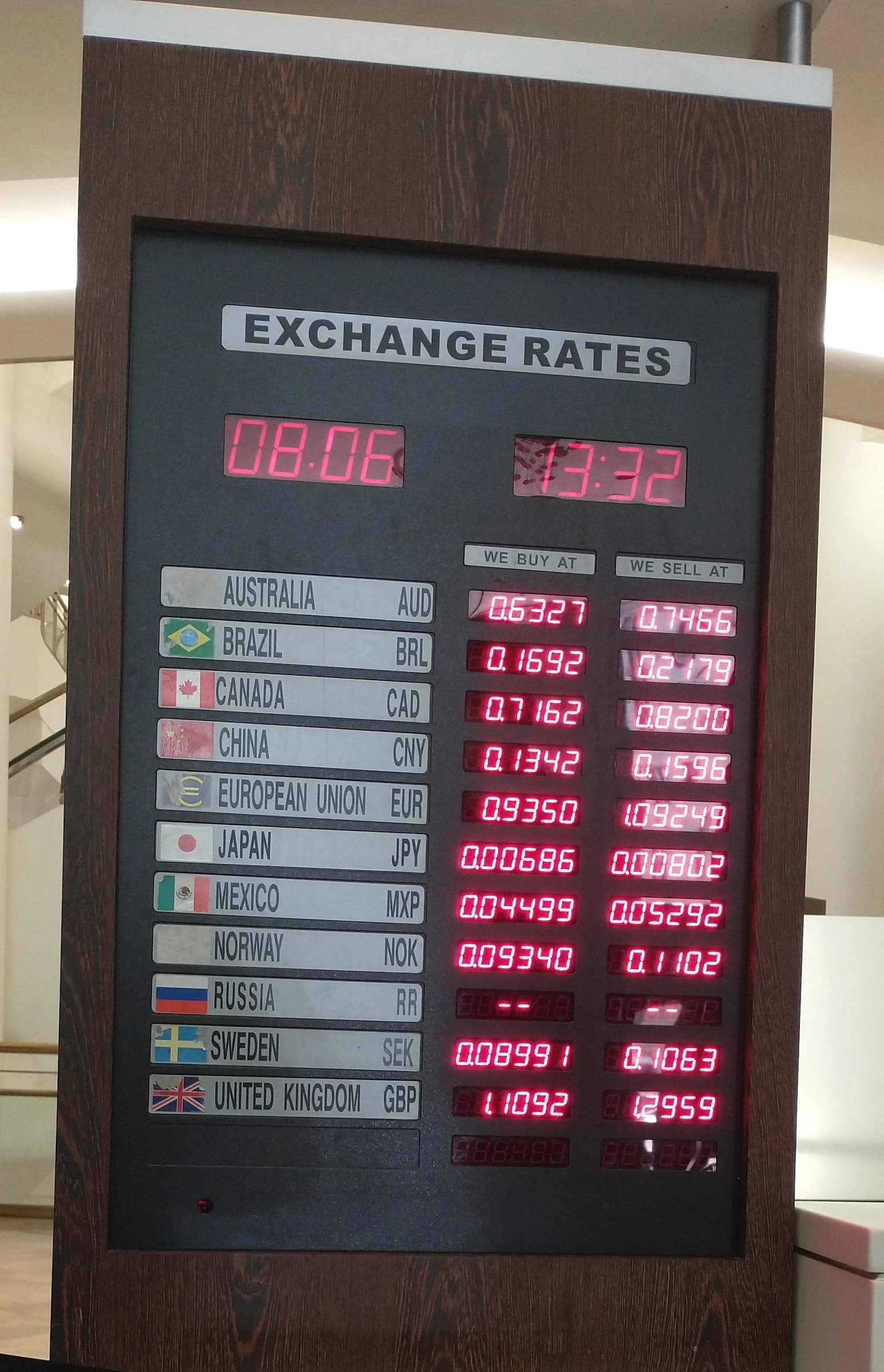
Japan’s finance minister said the Group of 20 is worried about rising yields and foreign-exchange swings, underscoring a global market regime where bond volatility is once again dictating capital flows and forcing policymakers to defend orderly pricing.
Japan G20 warns on yields and FX swings
That matters because the move in long-end rates is no longer just a bond-market story — it is rippling through currencies, equities and funding costs at the exact moment investors are trying to price a slower disinflation path, heavier sovereign borrowing and persistent policy divergence. When yields jump and FX markets whip around together, the cost of hedging rises, cross-border allocations get harder to manage and the pressure on leveraged positions increases.
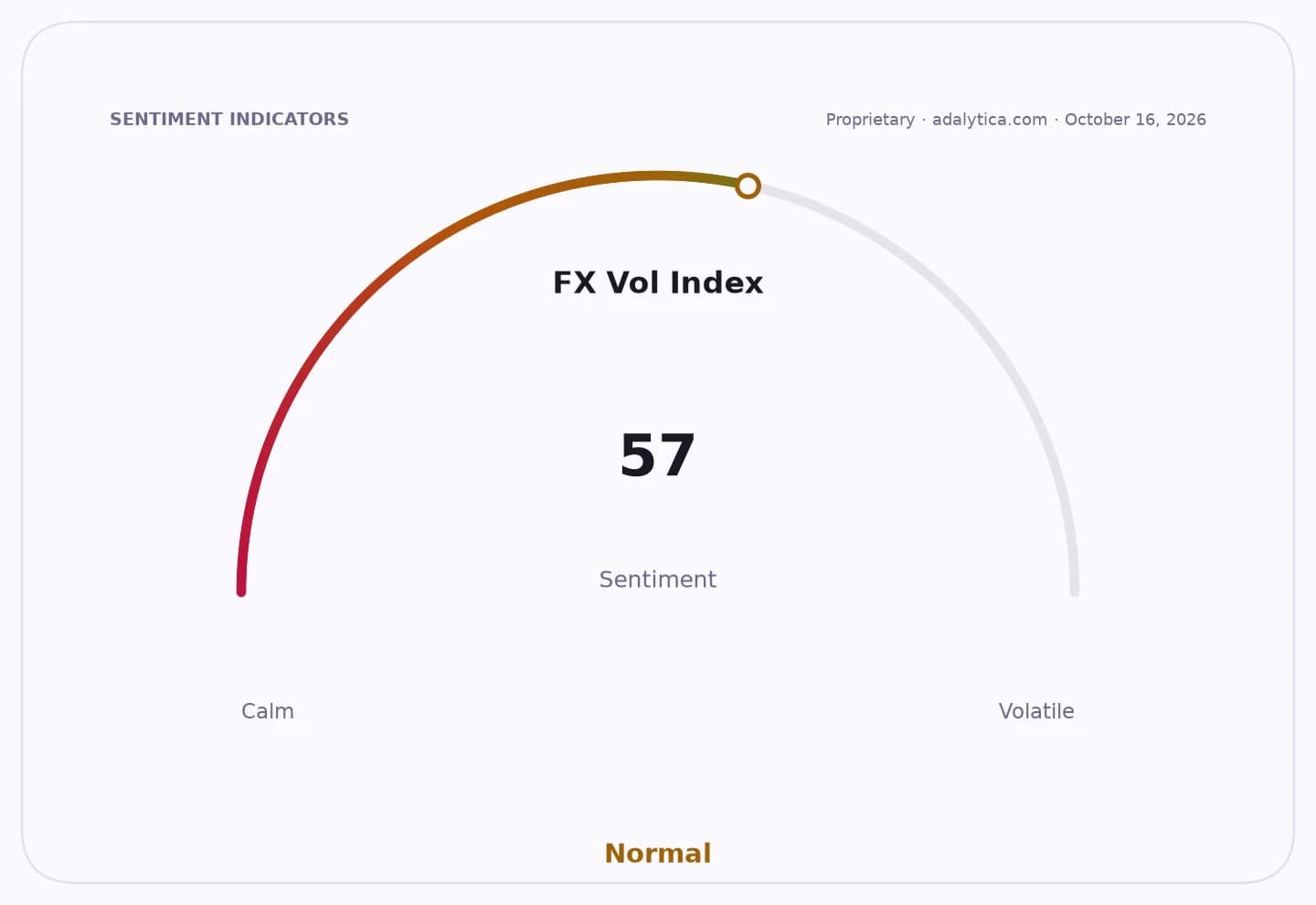
Sentiment IndicatorsⓘProprietary · adalytica.com · October 16, 2026
This is a snapshot — live sentiment, awareness and momentum for 130+ markets update continuously in the dashboard.Open AlphaPulse
In Bangkok, Finance Minister Satsuki Katayama said Japan had raised concerns about market volatility during the G20 meeting as long-term interest rates climbed and currencies fluctuated. The discussion also reaffirmed an existing understanding that foreign-exchange intervention should be used only to curb disorderly moves, a reminder that the world’s major economies still want a line between volatility and outright disruption.
The backdrop is a market already sensitive to rate shocks. U.S. 10-year Treasury yields were around 5.10% in the latest data, while the 2-year yield was near 4.77%, levels that keep pressure on duration-sensitive assets and raise the hurdle rate for growth stocks, infrastructure projects and highly levered companies. In Japan, the exchange-traded fund tracking the yen, FXY, has been holding close to its 50- and 200-day moving averages even as the currency remains under strain, a sign that investors are still hedging policy and yield differentials rather than embracing a clean trend.
FX Vol Index — 30-day sentimentadalytica.com
Explore this data interactively — full history, time series and cross-market comparisons.Open AlphaPulse
The bigger message for investors is that bond-market volatility is becoming a macro variable in its own right. Adalytica’s FX volatility trading signals show awareness still in “Extreme Fear,” while the U.S. dollar gauge sits in “Fear,” suggesting the market has not fully shaken off the demand for defensive positioning even after recent swings. Treasury-bond sentiment in the same model has tilted to “Greed,” a warning that rallies in duration can be crowded and fragile if growth or inflation surprises reassert themselves.
That is exactly why Japan’s message at the G20 matters. Tokyo is signaling that erratic yield moves can quickly turn into currency instability, and currency instability can feed back into import prices, corporate margins and central-bank reaction functions. For exporters, a weaker yen can be a tailwind — but for policymakers and consumers it also risks importing inflation just as Japan tries to normalize policy without destabilizing debt markets.
For investors, the playbook is clear: own the beneficiaries of a higher-volatility, higher-rate world, not the most rate-sensitive casualties. That means favoring banks, insurers, hedged exporters and select commodity and defense names over long-duration growth that depends on perpetually cheap money. It also argues for staying selective on sovereign-duration exposure; if yields are about to become a policy problem again, the easy bond trade is already behind us.
The next catalyst is whether volatile yields keep feeding into currency weakness and forcing more intervention rhetoric from Japan and other G20 members. If they do, expect renewed demand for hedges, a steadier bid for cash-like assets and fresh pressure on crowded equity sectors that still trade as if rates will quietly fade again.
| Entity | Gains | Losses |
|---|---|---|
| Japanese exporters | ▲Weaker yen tailwind | ▼Imported input costs |
| Japanese policymakers | ▲G20 backing for stability | ▼Less room for yen weakness |
| U.S. Treasury buyers | ▲Higher starting yields | ▼Price volatility risk |
| Rate-sensitive growth stocks | ▲— | ▼Higher discount rates |