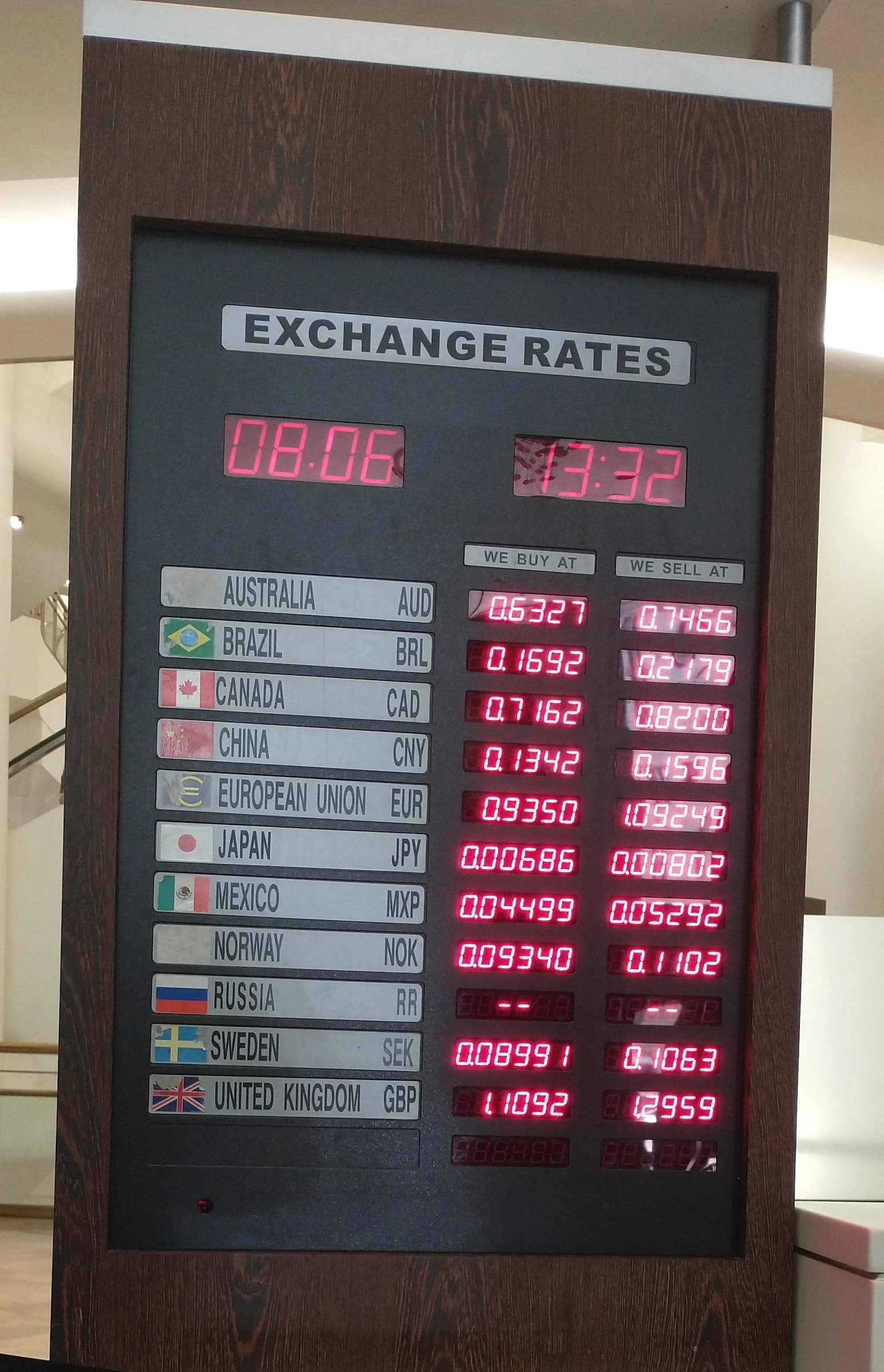
The dollar climbed back into the 158-yen range on Tuesday as traders pared bets that the Bank of Japan will raise interest rates again this month, a reminder that the yen still moves first on policy expectations and yield gaps.
Dollar rises to 158 yen as BOJ hike bets fade

At midday in Tokyo, the greenback fetched 158.43-158.44 yen, up from 158.07-158.17 yen in New York and 158.10-158.13 yen late Monday in Tokyo. The move matters because a stronger dollar against the yen usually reflects two forces investors care about: a wider U.S.-Japan rate differential and a market that is losing confidence in how far the BOJ can tighten without rattling growth.
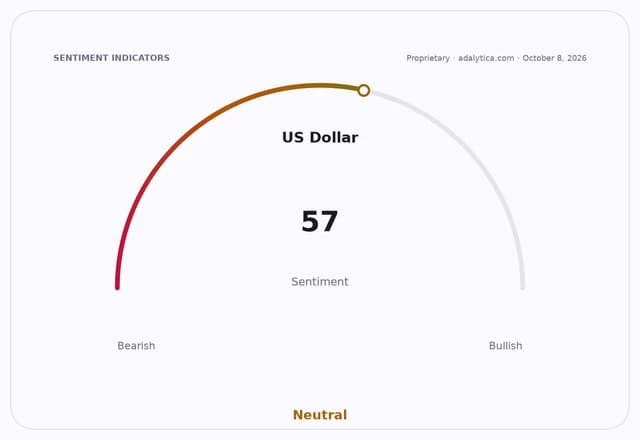
Sentiment IndicatorsⓘProprietary · adalytica.com · October 8, 2026
This is a snapshot — live sentiment, awareness and momentum for 130+ markets update continuously in the dashboard.Open AlphaPulse

That yield gap remains the central story. U.S. policy rates are still far above Japan’s, and even though the yen has staged periods of recovery, the dollar has repeatedly found buyers near the 158 level. Technical indicators reinforce that the pair is still in a constructive uptrend in the near term, with the exchange rate sitting above its 50-day moving average and momentum measures such as RSI remaining elevated after the latest rebound.
For investors, the implication is straightforward: as long as the BOJ is seen moving slowly, the yen remains vulnerable and Japan’s import bill stays sensitive to every fresh leg higher in the dollar. That can pressure household purchasing power and keep the debate over inflation, wages and policy normalization alive inside Japan.
A weaker yen can also ripple through corporate earnings. Japanese exporters often benefit when overseas sales are translated back into yen, while import-heavy businesses and consumers usually lose out. For global investors, the currency is also a barometer of whether Japan is finally exiting ultra-loose policy or merely pausing before the next cautious step.
Adalytica’s dollar signals show sentiment on the currency is neutral but awareness remains elevated, suggesting traders are watching the BOJ closely for any surprise rather than pricing a strong conviction trade. FX volatility signals are still subdued, which implies the market sees this more as a grinding policy story than an abrupt one.
The broader lesson for long-term investors is that currency moves are rarely random. They tend to follow monetary policy, inflation and growth expectations, and those forces are likely to keep the dollar-yen pair highly relevant for portfolios with Japan exposure, global brands and imported cost bases. If the BOJ stays on hold this month, the dollar’s advantage should remain intact, and the yen may stay under pressure. Worth watching closely.
| Entity | Gains | Losses |
|---|---|---|
| U.S. dollar bulls | ▲Higher yen value | ▼Japanese exporters with hedged revenue |
| Japanese exporters | ▲Translation tailwind | ▼Import-dependent retailers |
| Japanese consumers | ▲Stronger overseas earnings prospects | ▼Higher import costs |
| BOJ hawks | ▲More room to tighten | ▼Traders betting on a quick hike |