Japan’s household spending fell for a ninth straight month in August, underscoring how fragile domestic demand remains even as policymakers grapple with a weaker yen and persistent inflation.
Japan Household Spending Falls for Ninth Straight Month

Real consumer spending dropped 3.1% from a year earlier, according to the Ministry of Internal Affairs and Communications, with average outlays per household of 319,975 yen. The decline was slightly smaller than many market participants feared, but the trend is what matters: Japanese consumers are still pulling back in real terms, and that keeps the recovery dependent on exports, wages and policy support rather than a self-sustaining spending cycle.
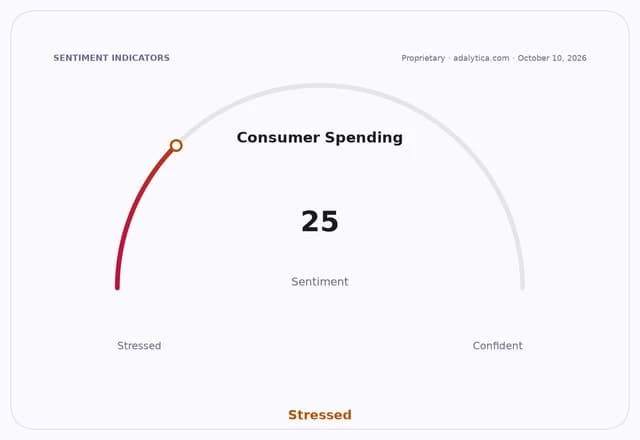
Sentiment IndicatorsⓘProprietary · adalytica.com · October 10, 2026
This is a snapshot — live sentiment, awareness and momentum for 130+ markets update continuously in the dashboard.Open AlphaPulse

That matters economically because household consumption is the backbone of Japan’s economy. When it shrinks for nine months in a row, it blunts the pass-through from nominal wage gains into actual spending and makes it harder for inflation to be driven by healthy demand rather than imported costs. It also complicates the Bank of Japan’s normalization path, because a central bank trying to exit decades of ultra-easy policy cannot lean too heavily on an economy where shoppers are still trading down and saving more.
The yen’s recent weakness only sharpens the problem. A softer currency can lift import prices for food, fuel and other essentials before it translates into better corporate profits or wage growth, squeezing households first. That is a particularly uncomfortable mix for Japanese policymakers: inflation remains sticky, but the consumer is not in a position to absorb more price pressure. In that setting, higher interest rates look even riskier, which is why markets remain sensitive to any sign the BoJ could slow or stagger its tightening cycle.
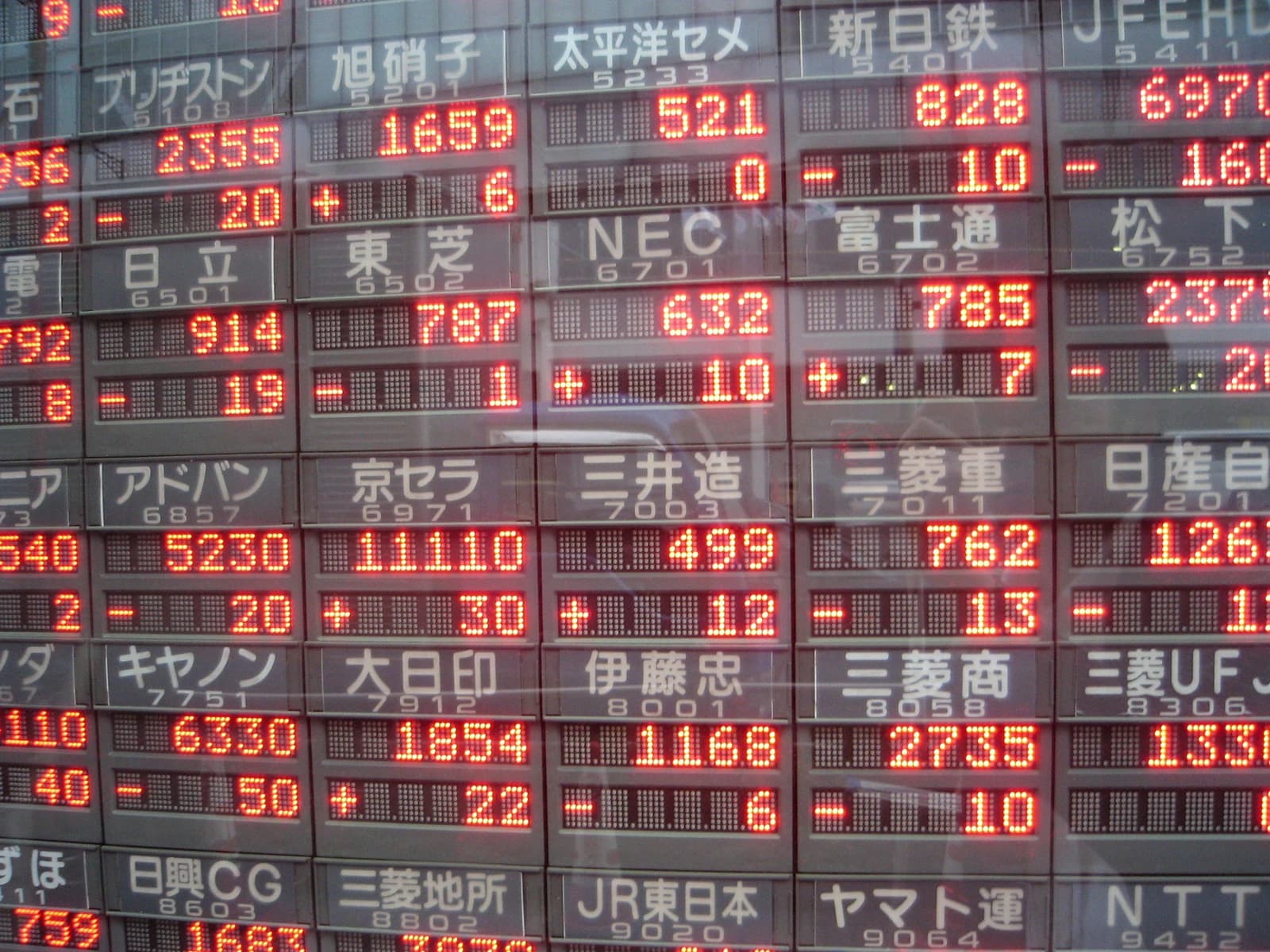
For investors, the message is clear: Japan’s story is increasingly a contest between beneficiaries of currency weakness and domestic demand-sensitive names that remain under pressure. Exporters, overseas earners and companies with pricing power are better positioned than retailers, discretionary消费 stocks and import-dependent businesses. The recent resilience in Japanese equities and exchange-traded funds such as EWJ also reflects that split, with the market rewarding firms tied to global demand while the domestic consumer remains the weak link.
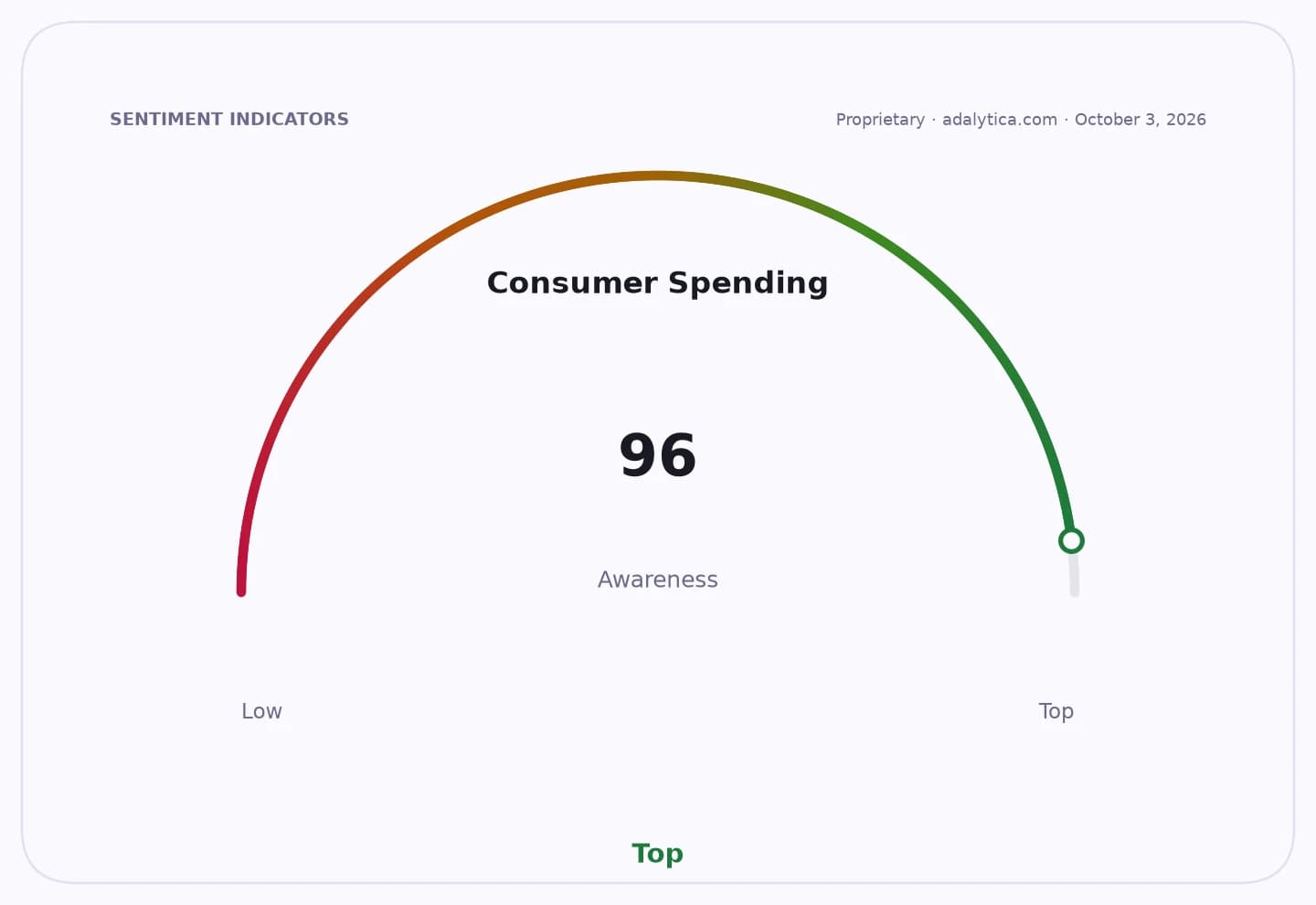
Adalytica’s Consumer Spending Sentiment gauge is flashing “Fear,” reinforcing what the hard data already shows: households are not ready to drive a durable expansion on their own. The market may be underestimating how long this drag can last if wages, energy costs and the yen continue to move in the wrong direction.
The trade here is not to chase a broad Japan consumption rebound just yet. The more asymmetric opportunity remains in exporters, industrial suppliers and firms that can turn currency weakness into margin expansion, while staying selective on domestic retail and consumer names until real spending turns decisively higher.
| Entity | Gains | Losses |
|---|---|---|
| Japanese exporters | ▲Higher yen translation gains | ▼— |
| EWJ holders with export-heavy exposure | ▲Relative outperformance | ▼Domestic consumer names |
| Importers and retailers | ▲— | ▼Margin pressure from weak yen |
| Bank of Japan | ▲More room to stay cautious | ▼Pressure from soft household demand |