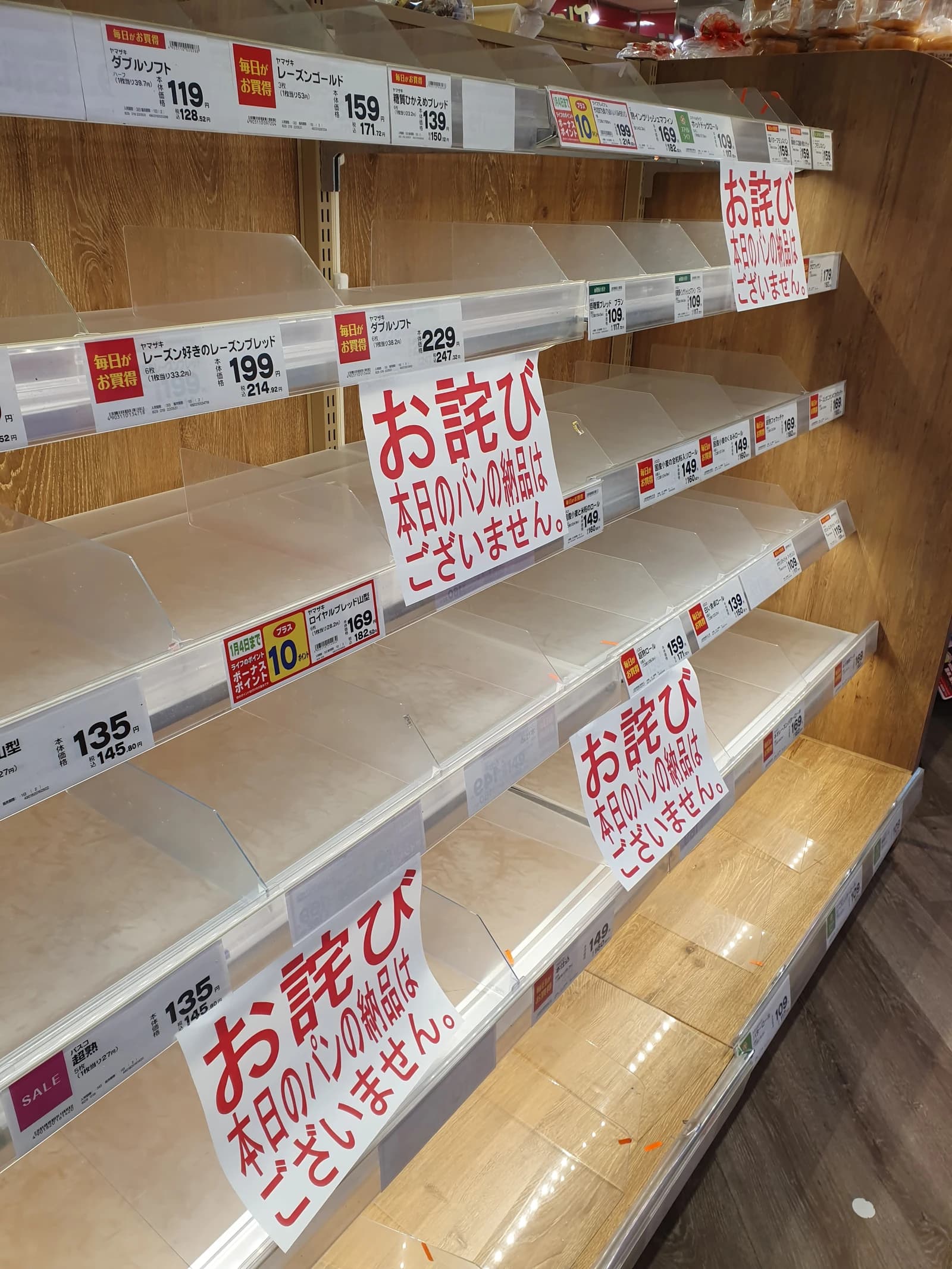
Japan’s October price reset is landing hard on consumers, with more than 8,000 food and daily-use items getting more expensive just as households face the year’s heaviest inflation shock.
Japan October food price hikes hit consumers
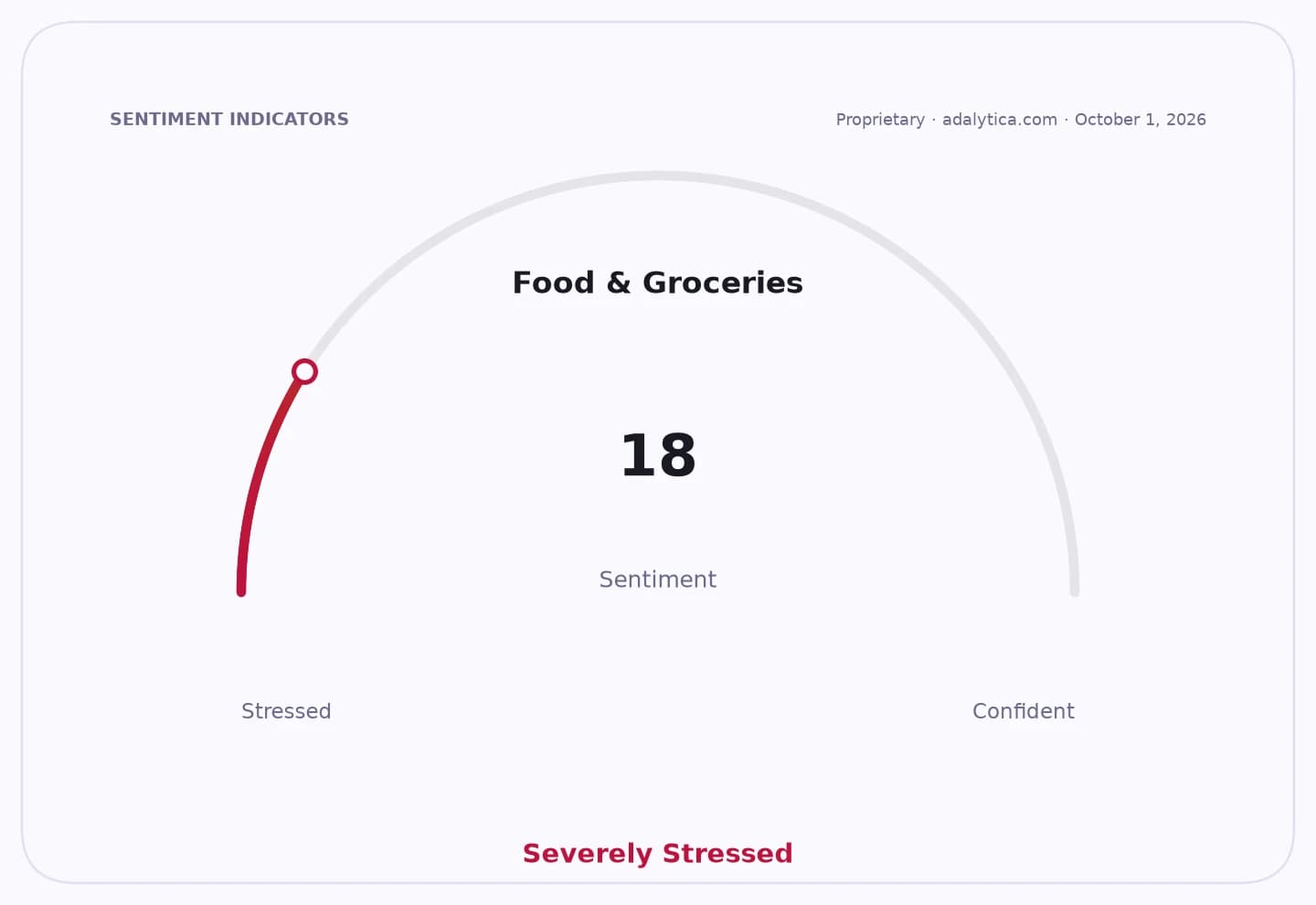
That matters because this is not a one-off sticker adjustment. In Japan, nearly 40% of annual price increases are concentrated in the fall, making October the month when household budgets feel the most strain. The latest round of hikes is broad enough to hit groceries, restaurant costs and everyday essentials at the same time, turning a seasonal pattern into a real economic drag.
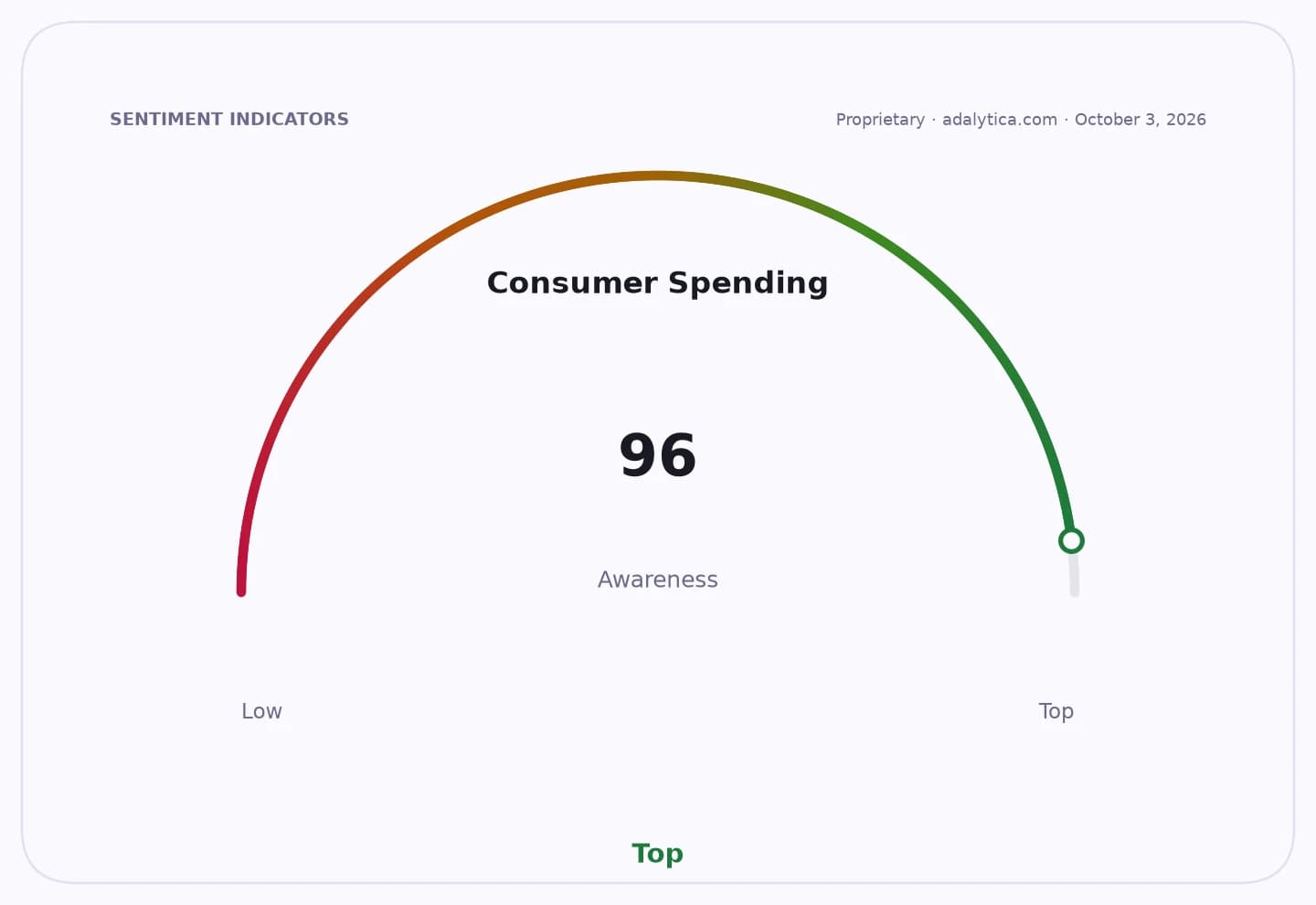
Sentiment IndicatorsⓘProprietary · adalytica.com · October 3, 2026
This is a snapshot — live sentiment, awareness and momentum for 130+ markets update continuously in the dashboard.Open AlphaPulse
For consumers, the impact is immediate and visible at the checkout. Shoppers in Kagoshima told local media that a single trip to the supermarket can cost 1,000 yen more than before, a reminder that inflation is not an abstract number but a direct hit to disposable income. For retailers, the problem is more complicated: they must pass on costs without destroying demand, especially as households become more price sensitive and trade down to cheaper brands or smaller basket sizes.
The inflation backdrop helps explain why this matters beyond one shopping season. Even after years of ultra-loose monetary policy, Japan is still wrestling with a cost-of-living squeeze driven by imported food inflation, packaging costs, logistics and persistent input pressures. That keeps pressure on wages to keep rising and on policymakers to avoid declaring victory too early.
There is one offset: beer taxes are being lowered, offering a small lift to producers and a little relief for consumers. But that is a narrow bright spot against a much larger wave of food-price increases. The bigger investment story is that pricing power remains alive in Japan’s consumer sector, even as volume growth stays fragile.
For investors, the winners are the companies with real brand strength, efficient distribution and the ability to reprice without losing customers. The losers are the households absorbing the shock and the retailers forced to balance margin protection against weak demand. If the fall price surge persists, expect continued support for grocers, food manufacturers and discount formats, while consumer sentiment remains under pressure.
The market should treat October’s surge as a reminder that Japan’s inflation story is not finished. Even as one tax is cut, the broader message is clear: the cost of living is still rising faster than comfort, and that keeps the consumer trade exposed while reinforcing the case for selective exposure to pricing-power names.
| Entity | Gains | Losses |
|---|---|---|
| Food makers with pricing power | ▲Higher revenues | ▼Volume pressure |
| Discount retailers | ▲Trade-down traffic | ▼Margin compression |
| Japanese households | ▲Beer tax relief | ▼Grocery budgets |
| Consumer staples exporters | ▲Stronger repricing leverage | ▼Domestic demand weakness |