Japan’s household spending fell 3.6% in July from a year earlier, a far steeper drop than economists expected and the eighth straight month of decline, underscoring how fragile domestic demand remains as the Bank of Japan weighs another interest-rate increase.
Japan Household Spending Falls 3.6% in July
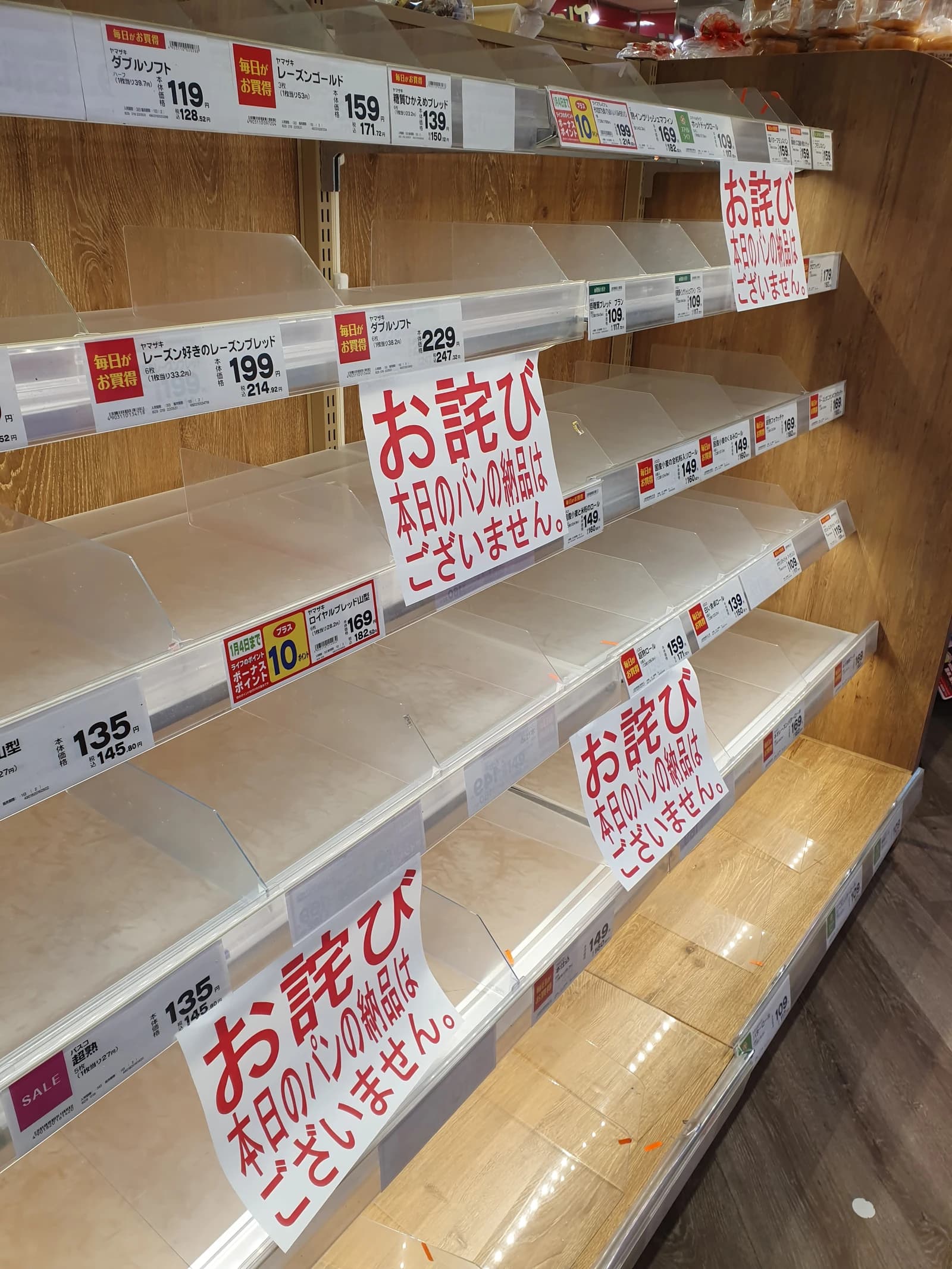
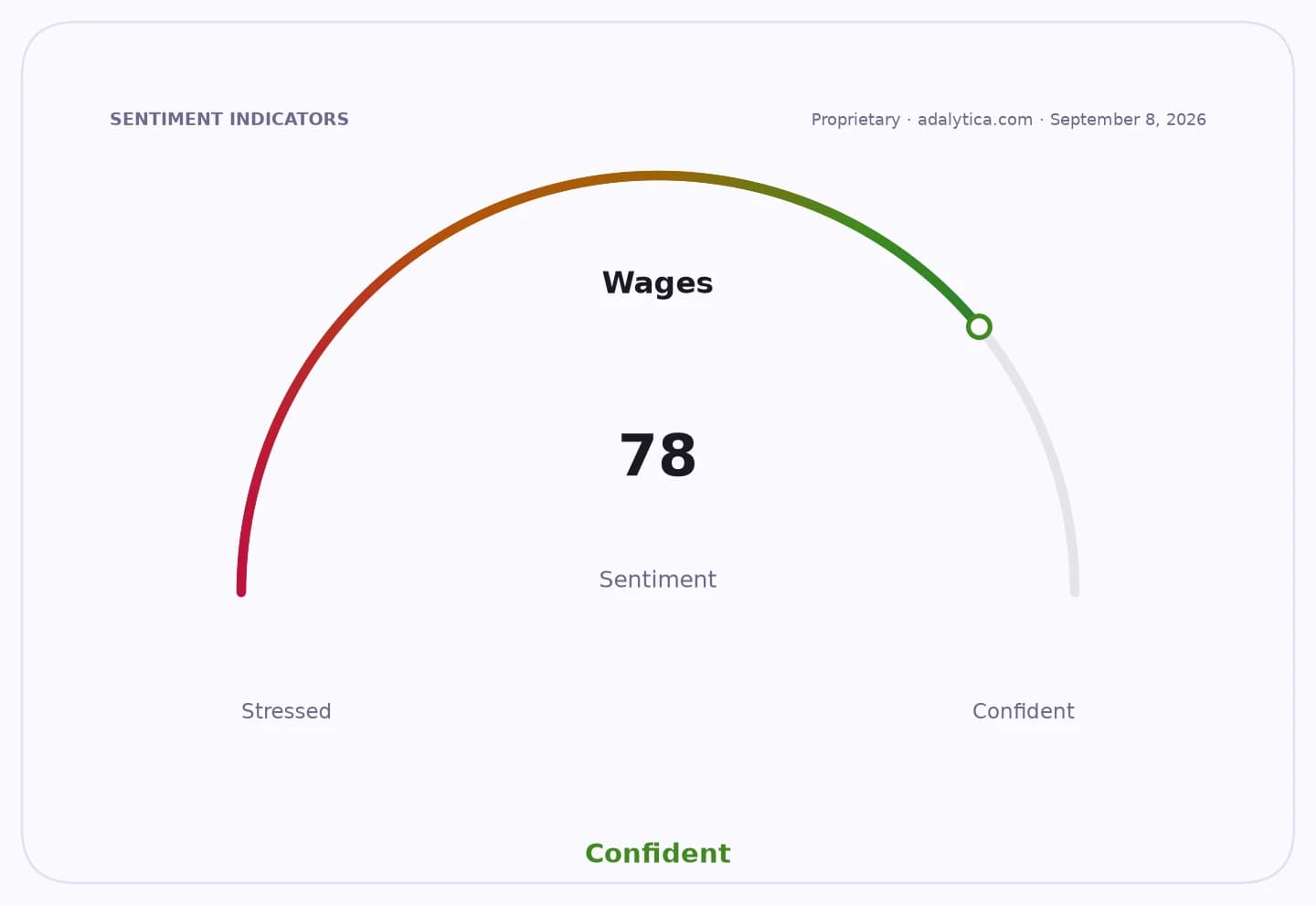
The weak reading matters because household consumption is Japan’s clearest gauge of whether wage gains and inflation are translating into real spending. Instead, the data suggest consumers are still being squeezed by higher prices and tighter financial conditions, leaving the economy more dependent on exports and corporate investment than policymakers would like.
Sentiment IndicatorsⓘProprietary · adalytica.com · September 4, 2026
This is a snapshot — live sentiment, awareness and momentum for 130+ markets update continuously in the dashboard.Open AlphaPulse
The decline was much larger than the median forecast for a 1.6% fall, according to the internal affairs ministry. On a month-on-month basis, spending rose just 0.5%, missing expectations for a 2.6% increase and reinforcing the view that the recovery in private consumption is uneven at best.
That weakness lands at a sensitive time for the BOJ. Officials have said they are scrutinizing household spending alongside wages and inflation as they consider whether to raise rates as soon as this month. A softer consumer backdrop gives policymakers less room to tighten aggressively, even as they try to normalize borrowing costs after years of ultra-loose policy.
For markets, the report cuts both ways. It may reduce near-term pressure for a rapid policy move, which can support rate-sensitive assets and keep funding conditions looser than some investors had expected. But it also raises questions about the durability of Japan’s growth cycle and whether recent gains in equities and the yen-friendly trade can be sustained if domestic demand keeps lagging.
The strain is visible beyond the data point itself. Higher long-term rates, now around 3%, are squeezing mortgage borrowers and feeding through to household budgets, while record budget requests for fiscal 2027 reflect the government’s attempt to revive activity without losing control of public finances. That mix leaves Japan with a narrow policy path: too much tightening risks deepening consumption weakness, while too little risks leaving inflation and rates higher for longer.
Investors will now focus on whether wage growth can outpace inflation in coming months and whether the BOJ chooses to wait for firmer consumption before acting. If household spending stays weak, the case for a delayed rate increase strengthens; if wages and price stability improve, the central bank may still press ahead, keeping Japanese bond yields and the yen in play.
| Entity | Gains | Losses |
|---|---|---|
| Consumers | ▲Lower urgency for rate hikes | ▼Real spending power |
| BOJ doves | ▲More time to wait | ▼Policy momentum |
| BOJ hawks | ▲Inflation fight remains alive | ▼Case for near-term tightening |
| Japanese retailers | ▲Potentially easier financing | ▼Demand growth |