Japan’s workers kept seeing pay outrun inflation in July, with real wages rising 2.4% from a year earlier for a seventh straight month of gains, a sign that household purchasing power is finally starting to recover after years of squeeze.
Japan real wages rise 2.4% in July
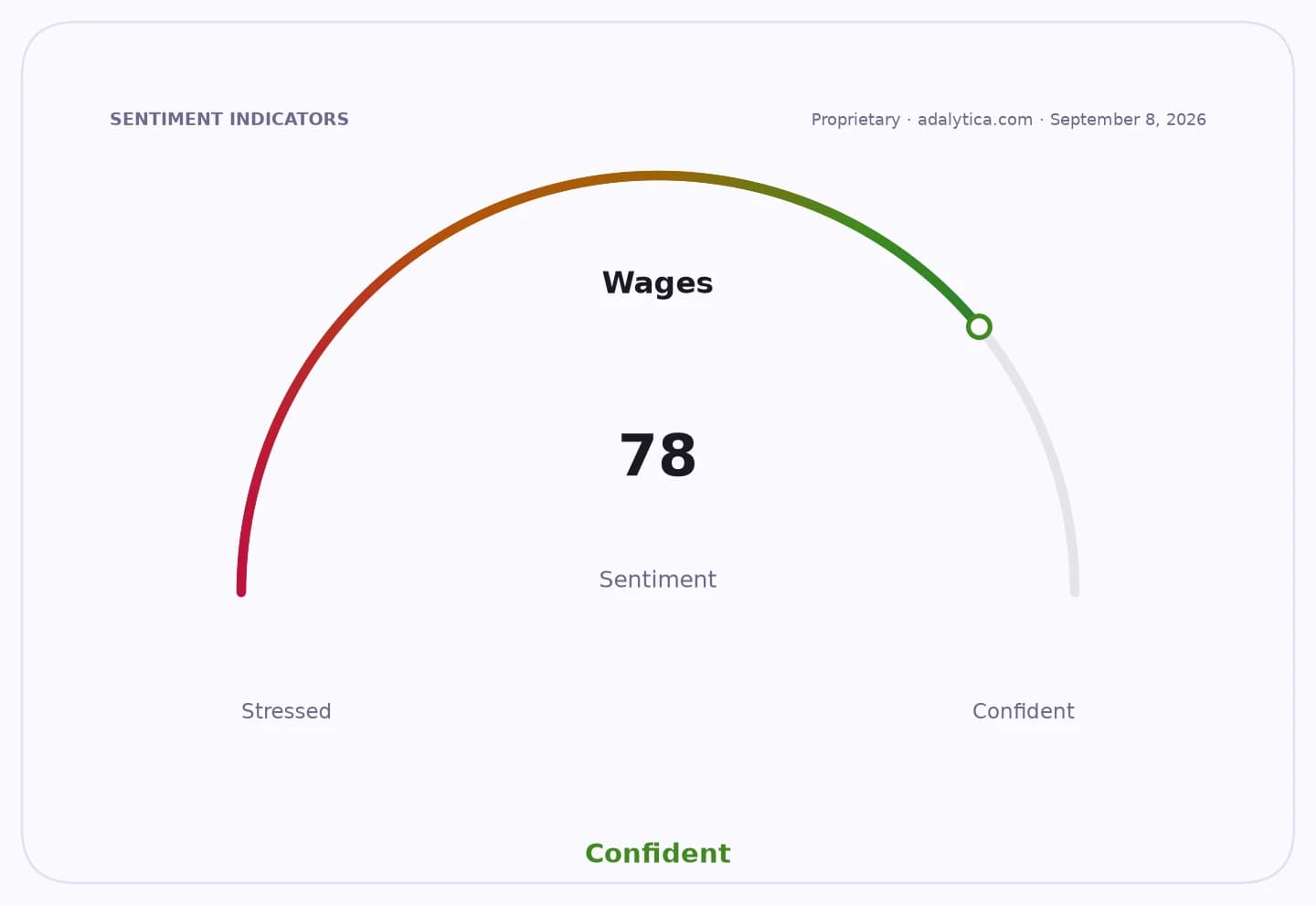
That matters because real wage growth is the cleanest measure of whether Japan’s long-promised wage cycle is translating into stronger consumption. When pay increases faster than prices, families have more room to spend on food, travel and everyday goods — and that can give the world’s fourth-largest economy a more durable source of growth than exports alone.
Sentiment IndicatorsⓘProprietary · adalytica.com · September 8, 2026
This is a snapshot — live sentiment, awareness and momentum for 130+ markets update continuously in the dashboard.Open AlphaPulse
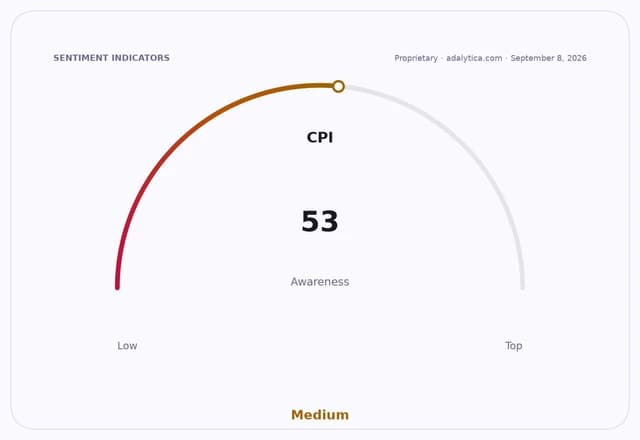
The July reading was helped by summer bonuses, which can be lumpy from month to month but still matter for confidence. They suggest that corporate Japan is, at least in part, sharing a better earnings backdrop with employees. For investors, that is important not just for labor stocks and retailers, but for the broader market story: a consumer that is less pressured by inflation is a better customer for everything from department stores to convenience chains.
The labor market backdrop remains relatively tight, even if not overheated. Japan’s unemployment rate has stayed low by developed-market standards, giving workers more leverage than they had in the deflationary years. That helps explain why wage gains have been able to persist even as inflation has eased from its peaks. In other words, this is not a one-off data point — it fits a broader shift in which employers are being pushed to keep lifting pay.
For long-term investors, the message is straightforward. Japan’s market case increasingly rests on a healthier domestic economy, not just on global cyclicals or a weak yen. Sustained real wage growth would support consumer spending, improve revenue visibility for domestic businesses and strengthen the argument that Japan’s corporate reforms are feeding through to the real economy. That is the kind of backdrop that can matter for years, not weeks, and it is worth keeping on the watchlist.
| Entity | Gains | Losses |
|---|---|---|
| Japanese workers | ▲Higher purchasing power | ▼Less inflation pressure |
| Domestic retailers | ▲Stronger consumer spending | ▼Price-sensitive shoppers |
| Japanese corporates | ▲Better demand outlook | ▼Higher labor costs |
| Inflation-focused savers | ▲Higher real returns on income | ▼Fewer bargain opportunities |