India’s central bank is poised to reverse course and raise rates for the first time since 2023, a move that would lift borrowing costs across the economy just as inflation is accelerating and crude prices are adding to price pressures.
India RBI rate hike expectations rise on inflation
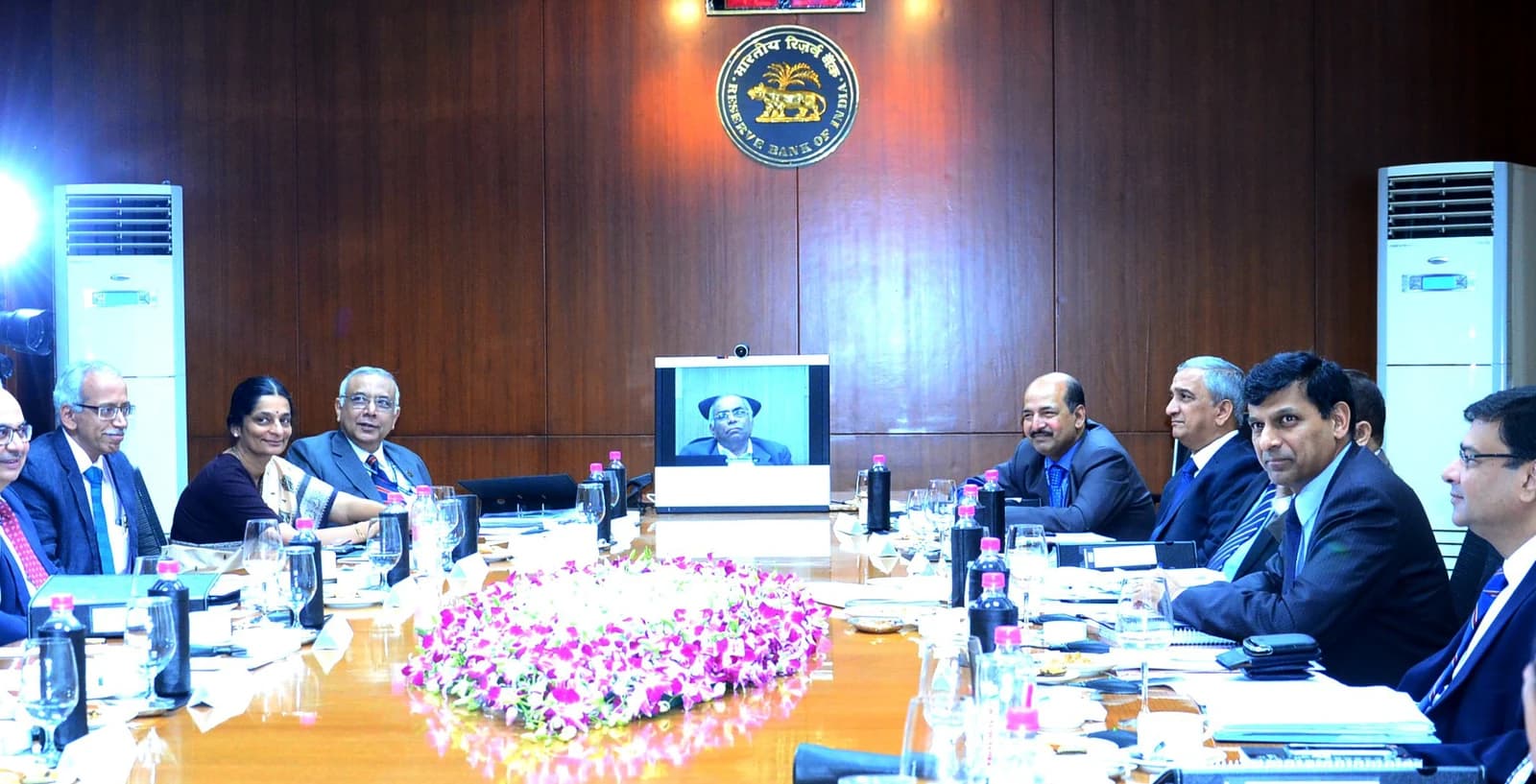
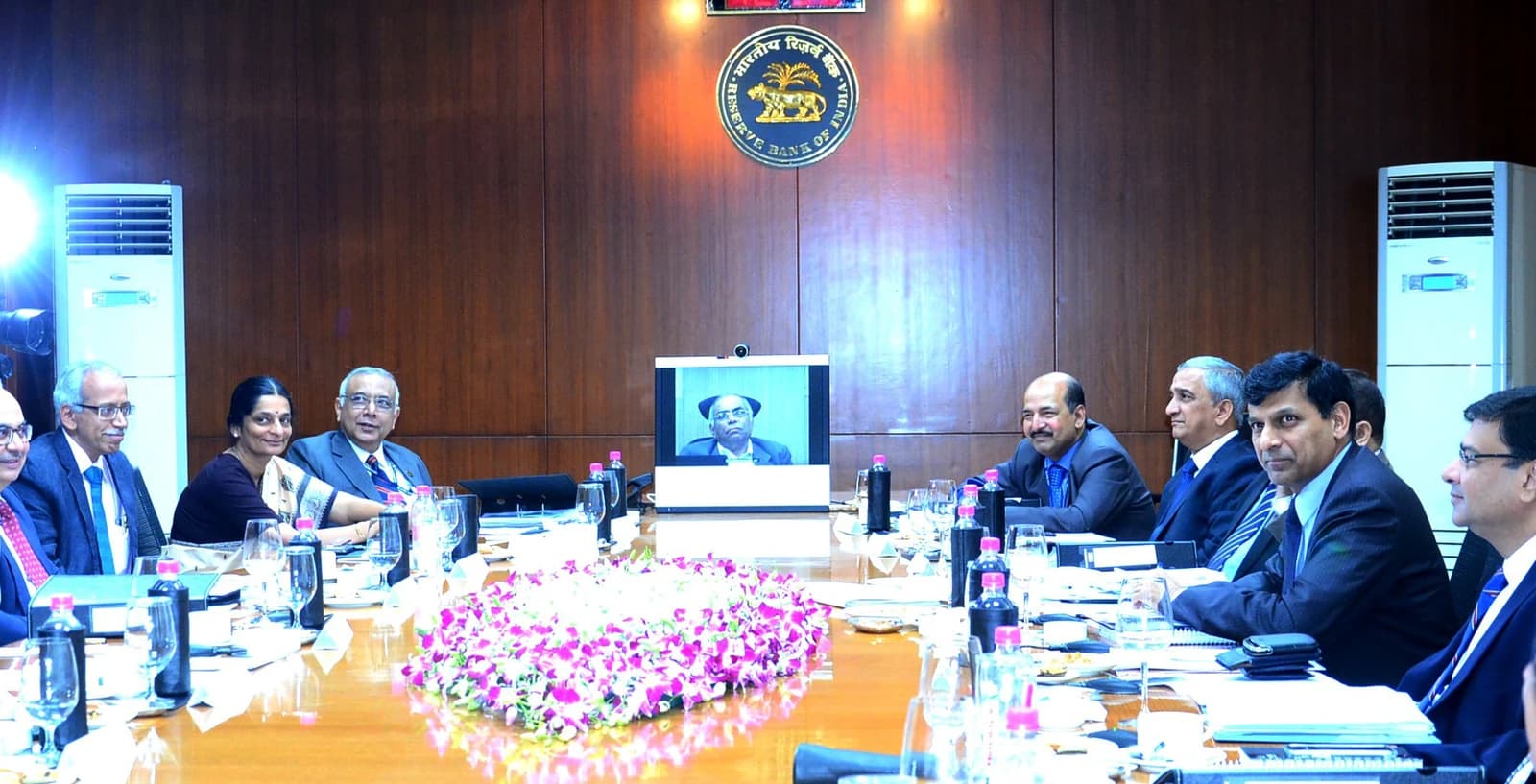
A PTI poll of 16 economists and bankers points to a 25-basis-point increase at the Reserve Bank of India’s October policy meeting, with the repo rate currently at 5.25%. The expected hike would mark a shift after rate cuts in 2025 and a prolonged pause, underscoring how the RBI is being forced to balance still-solid growth against a broader inflation upturn and currency pressure.
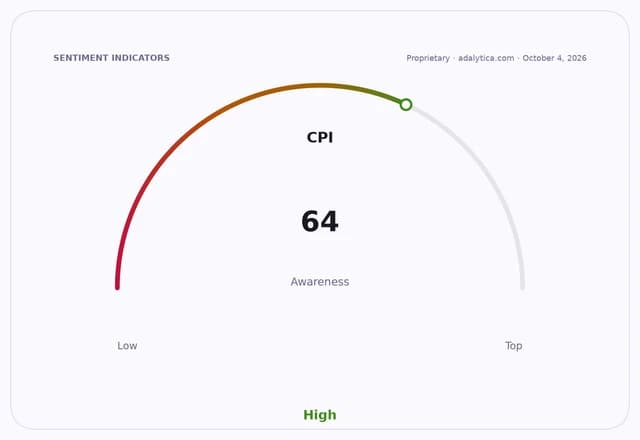
Sentiment IndicatorsⓘProprietary · adalytica.com · October 4, 2026
This is a snapshot — live sentiment, awareness and momentum for 130+ markets update continuously in the dashboard.Open AlphaPulse
The case for tightening is being driven by a more persistent inflation backdrop. India’s retail inflation rose to an eight-month high of 4.82% in August from 4.45% in July, staying above the RBI’s 4% target for three straight months. Economists said the rise is no longer confined to a narrow set of prices: CareEdge Ratings’ Rajani Sinha said about 19% of the 358 items in the consumer basket were rising more than 6% in August, up from 13% in March.
Inflation risks have also widened through energy. Crisil’s Dipti Deshpande said price pressures have intensified since the last policy, in part because of the renewed West Asia conflict and the knock-on effects on energy and commodity costs. ICRA’s Aditi Nayar said crude prices above $100 a barrel could feed through to higher retail fuel prices and broaden inflation, forcing the RBI to lift its inflation forecasts.
That matters because real rates are nearing the point where they could slip negative again if the central bank waits too long. IDFC First Bank’s Gaura Sengupta said gradual normalization is needed as headline inflation rises, while others in the poll argued that future inflation revisions are almost a precondition for a hike. Most respondents expect the RBI to strike a hawkish tone, even though views on the policy stance remain split between no change, calibrated tightening and withdrawal of accommodation.
For investors, the implication is higher funding costs and a more cautious outlook for rate-sensitive sectors. Home loans, car loans and corporate borrowings would all become more expensive if the RBI follows through, which can weigh on consumption and investment even as it helps protect the rupee and anchor inflation expectations. The move would also signal that the central bank is less willing to tolerate an extended period of easy money, especially if imported inflation from oil and global rates keeps building.
The growth backdrop gives the RBI room to tighten without immediately derailing the expansion. Economists broadly expect an upward revision to the FY27 GDP forecast after stronger-than-expected activity in the first half of the fiscal year, with DBS’s Radhika Rao calling for growth to be nudged to above 7%. The RBI’s last projection was 6.7% for FY27, with quarterly readings ranging from 6.4% to 7.0%.
Markets will be watching not just the October move, but the path after it. Economists in the poll broadly see at least two rate increases in FY27, with some expecting two to three. That suggests the October meeting may be the start of a gradual tightening cycle rather than a one-off adjustment, especially if inflation stays sticky and the central bank continues draining surplus liquidity through reverse repo operations, open market operations and foreign-exchange swaps.
| Entity | Gains | Losses |
|---|---|---|
| RBI | ▲Inflation credibility | ▼Borrowers, growth-sensitive sectors |
| Banks | ▲Wider lending margins | ▼EMI-heavy consumers |
| Indian rupee | ▲Support from higher rates | ▼Importers facing pricier funding |
| Bondholders | ▲Clearer policy path | ▼Existing debt valuations |