Venezuela’s economy is growing again, but the rebound remains too fragile to count as a recovery in the normal sense because chronic electricity shortages, runaway inflation and an unresolved debt burden are still constraining output, investment and access to finance.
Venezuela growth rebound hits power, inflation, debt
That makes the country’s next phase of growth a test of whether higher oil production can do more than mask structural weakness. The International Monetary Fund expects GDP to expand 5% this year and 7% in 2027, but from a much smaller base after the economy shrank to a quarter of its size between 2014 and 2020. Even if those forecasts are met, Venezuela would still need years of sustained expansion to rebuild lost capacity, restore household purchasing power and pull firms out of crisis management mode.
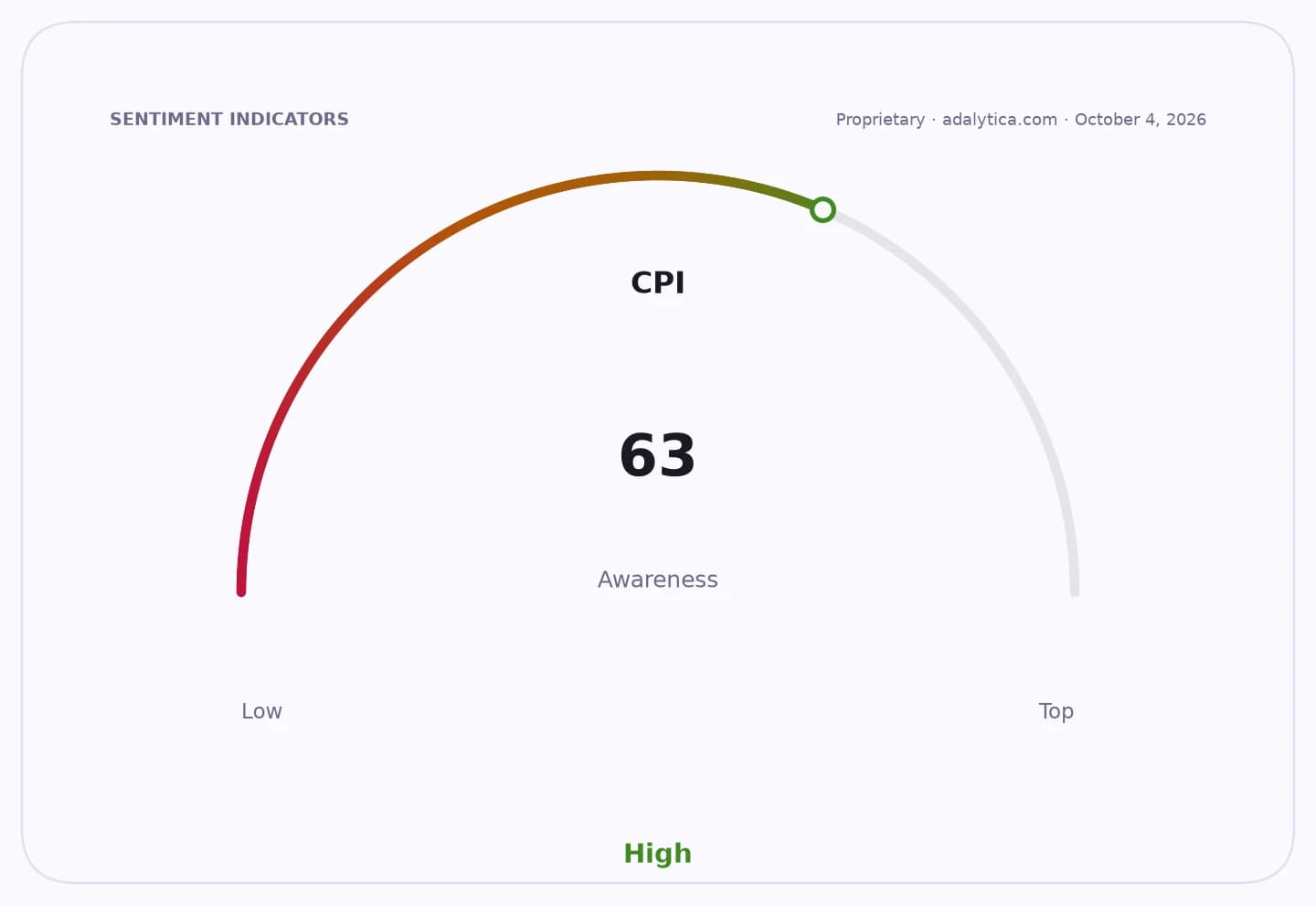
Sentiment Indicators
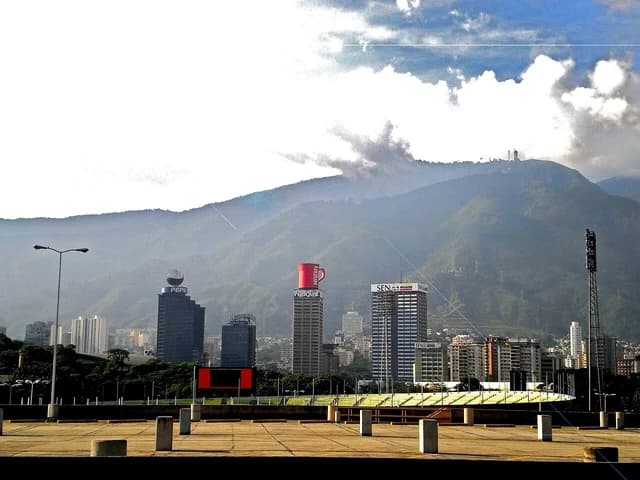
Oil is the only engine large enough to deliver that scale of improvement, and it is finally moving. Production is running around 1.2 million barrels a day, about a third of the level before the chavista era, but the sector is being reopened through new rules and deals with foreign companies. Chevron, Repsol and Eni have signed new contracts, while the U.S. has struck an opaque arrangement with the authorities that gives American interests participation in a venture tied to a fifth of the country’s oil reserves. For investors, that is the central bull case: more barrels, more hard currency and a broader opening for capital inflows.
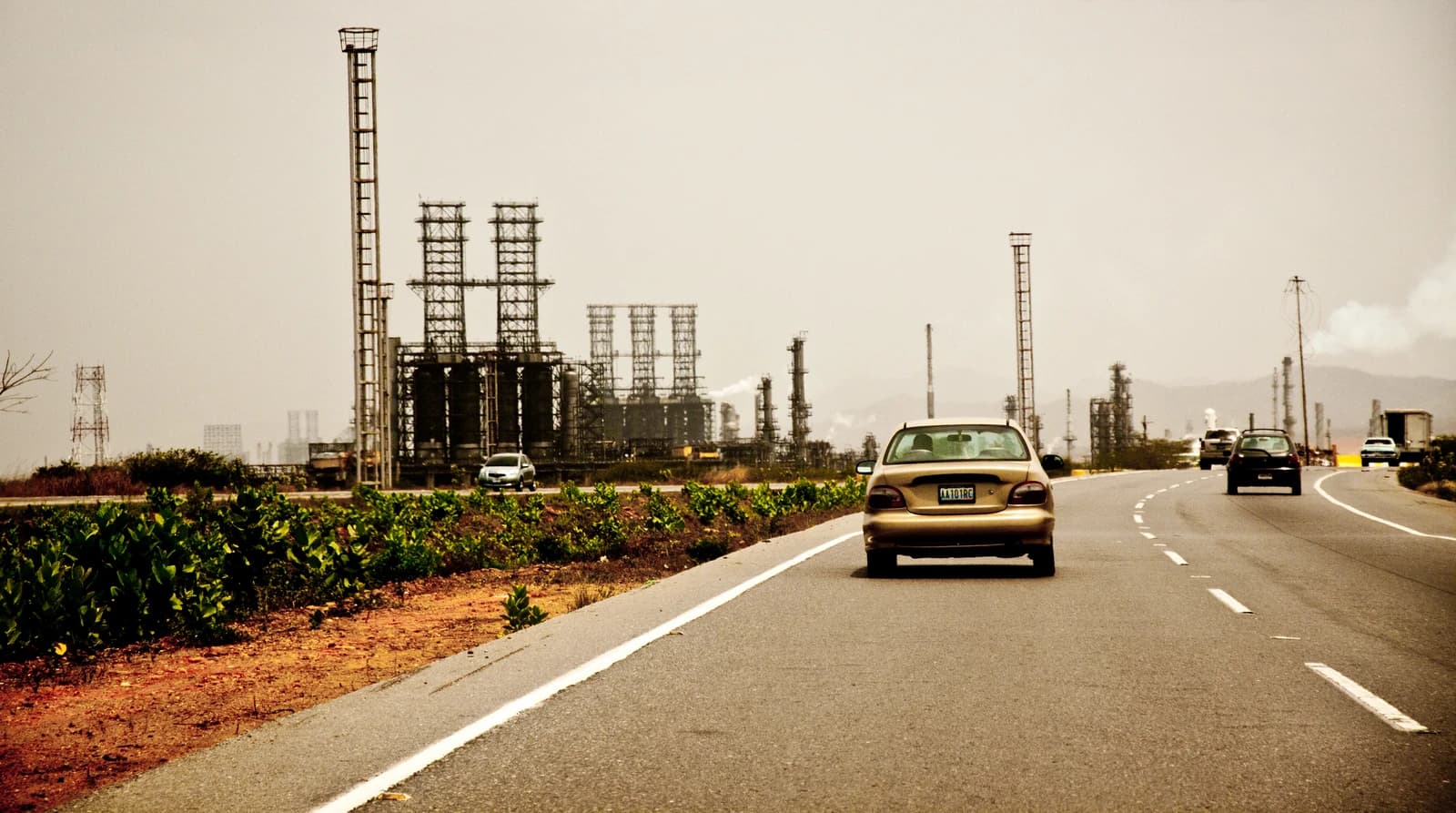
Yet the constraints are immediate and severe. Ecoanalítica says electricity is the main bottleneck to recovery, with supply around 13,000 megawatts versus peak demand above 15,000 megawatts. Recurrent blackouts already force factories to shut down for hours, and analysts warn that faster growth can itself worsen the deficit by lifting power demand faster than generation capacity. Delcy Rodríguez has announced a reform to invite private capital into the sector and says agreements, including with General Electric, could add 7,400 megawatts over time, but the timeline is unclear after years of underinvestment, poor management and sanctions-related shortages of spare parts.
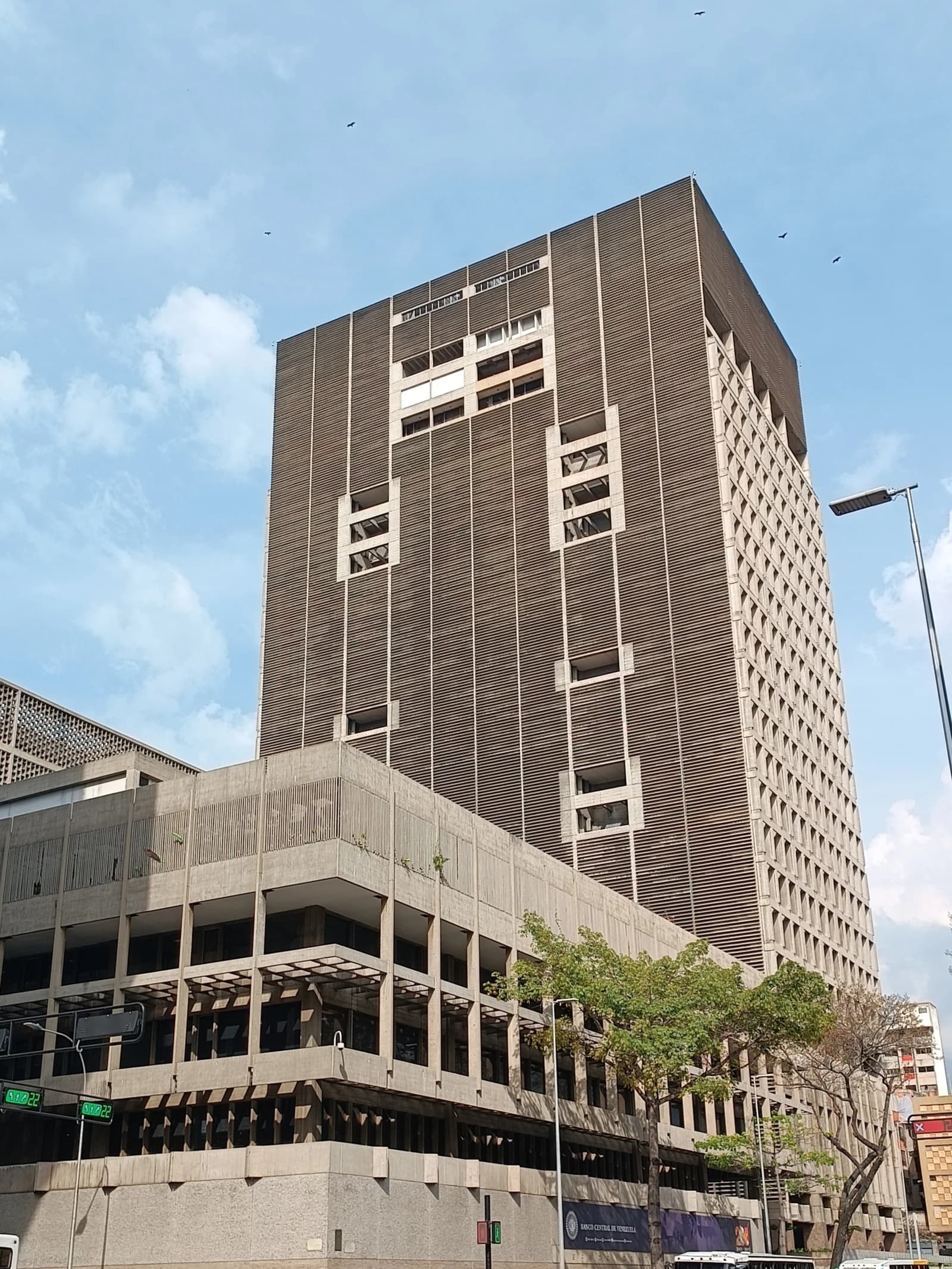
Inflation is the other drag. Prices have risen 225% so far this year, the central bank’s official exchange rate is up 190%, and the IMF sees inflation still above 300% by end-2026 and 139% in 2027. The problem is not only monetary instability but the loss of confidence in the bolívar, which pushes demand toward dollars the central bank cannot fully meet. Because many prices are effectively dollar-linked, a weaker currency quickly feeds through to local costs, leaving the government to ration credit in an attempt to contain the money supply.
The debt overhang may be the hardest problem of all. Venezuela’s external debt has swollen from a manageable $19.3 billion when Hugo Chávez took office to about $170 billion by private estimates, including roughly $112 billion in bonds, multilateral claims, bilateral loans and compensation demands from expropriated companies. Since the 2017 default, the country has been shut out of normal financing, which means any recovery must be funded largely from oil revenues and whatever capital foreign partners are willing to deploy. The government has hired Centerview Partners to work on restructuring, but officials acknowledge the debt sustainability analysis has been more difficult than expected. By choosing not to anchor the process in an IMF program, Caracas has also raised doubts about whether any eventual restructuring would be credible enough to unlock fresh lending.
For investors, the question is not whether Venezuela can post growth in the near term; it is whether that growth is investable. Higher oil output and a friendlier legal framework could lift energy and industrial assets, and companies with their own generation capacity may be better positioned than local peers dependent on the grid. But unless power supply improves, inflation cools and the debt process produces a meaningful clean-up, the country risks remaining stuck in a low-trust equilibrium: limited investment, repeated dislocations and a recovery that is real in the statistics but weak in the economy.
| Entity | Gains | Losses |
|---|---|---|
| Foreign oil companies | ▲New contracts, production upside | ▼Political and legal risk |
| Venezuelan government | ▲Hard-currency inflows, growth support | ▼Credibility pressure, reform burden |
| Local manufacturers | ▲Potential oil-led demand | ▼Blackouts, inflation, FX stress |
| Bondholders and creditors | ▲Possible restructuring talks | ▼Risk of deep haircuts and delay |