Venezuela’s central bank said September consumer prices rose 8.4% from August, keeping monthly inflation in single digits as the bolívar steadied after months of pressure and helping ease the country’s chronic exchange-rate gap.
Venezuela September inflation rises 8.4% as bolívar steadies
The reading matters because Venezuela’s economy is still highly dollarized and price stability remains fragile. When the currency stops sliding as fast, import costs, local pricing and wage expectations all become easier to manage — even if inflation remains extremely high by regional standards.
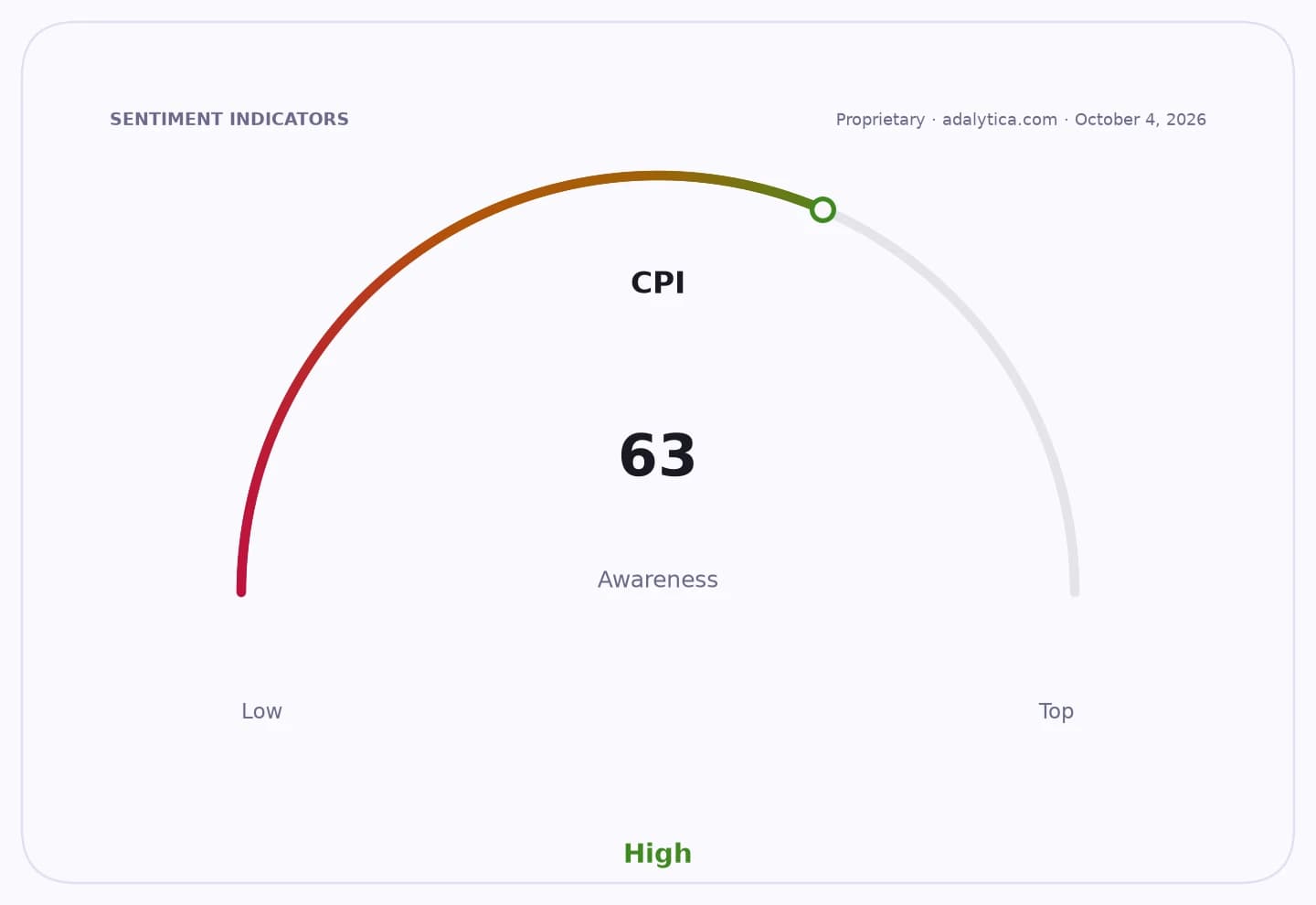
Sentiment IndicatorsⓘProprietary · adalytica.com · October 4, 2026
This is a snapshot — live sentiment, awareness and momentum for 130+ markets update continuously in the dashboard.Open AlphaPulse
The Banco Central de Venezuela said the slowdown came from closer coordination with the government, a normalization of external inflows and lower pressure in the foreign-exchange market. It said those factors helped the exchange rate move toward stabilization, reducing both the currency spread and the pace of increases in goods and services prices.
For investors, the key question is whether the improvement is durable or just a pause. A steadier currency can support consumer demand, improve visibility for companies that price in dollars and reduce near-term inflation risk, but Venezuela’s economy remains exposed to sanctions, policy shifts and any renewed strain in hard-currency flows.
The report adds to the government’s narrative that the economy is gaining traction, even as confidence remains thin. Sustained stabilization would matter for local businesses, importers and any foreign capital considering exposure to the country, but a fresh bout of pressure in the currency market would quickly feed back into prices.
| Entity | Gains | Losses |
|---|---|---|
| BCV / Maduro government | ▲Credibility on stabilization | ▼Pressure to explain any reversal |
| Venezuelan consumers | ▲Slower price increases | ▼Persistent inflation burden |
| Importers and dollar-priced businesses | ▲More predictable costs | ▼Currency speculators |
| Exporters / FX buyers | ▲Less volatility | ▼Fewer upside gains from a weaker bolívar |