Venezuela is trying to turn a political opening into real money, with Delcy Rodríguez convening a working session with private-sector leaders and representatives from the Inter-American Development Bank in Caracas to discuss financing, investment and project support.
Venezuela Meets IDB on Financing and Investment
That matters because Venezuela’s recovery story has long depended on something the country has struggled to secure: reliable capital. A more structured dialogue with a multilateral lender, especially one with a private-sector arm such as BID Invest, could help unlock funding for industry, commerce and agriculture at a time when the economy is still dealing with a weak currency, tight credit and patchy public services.
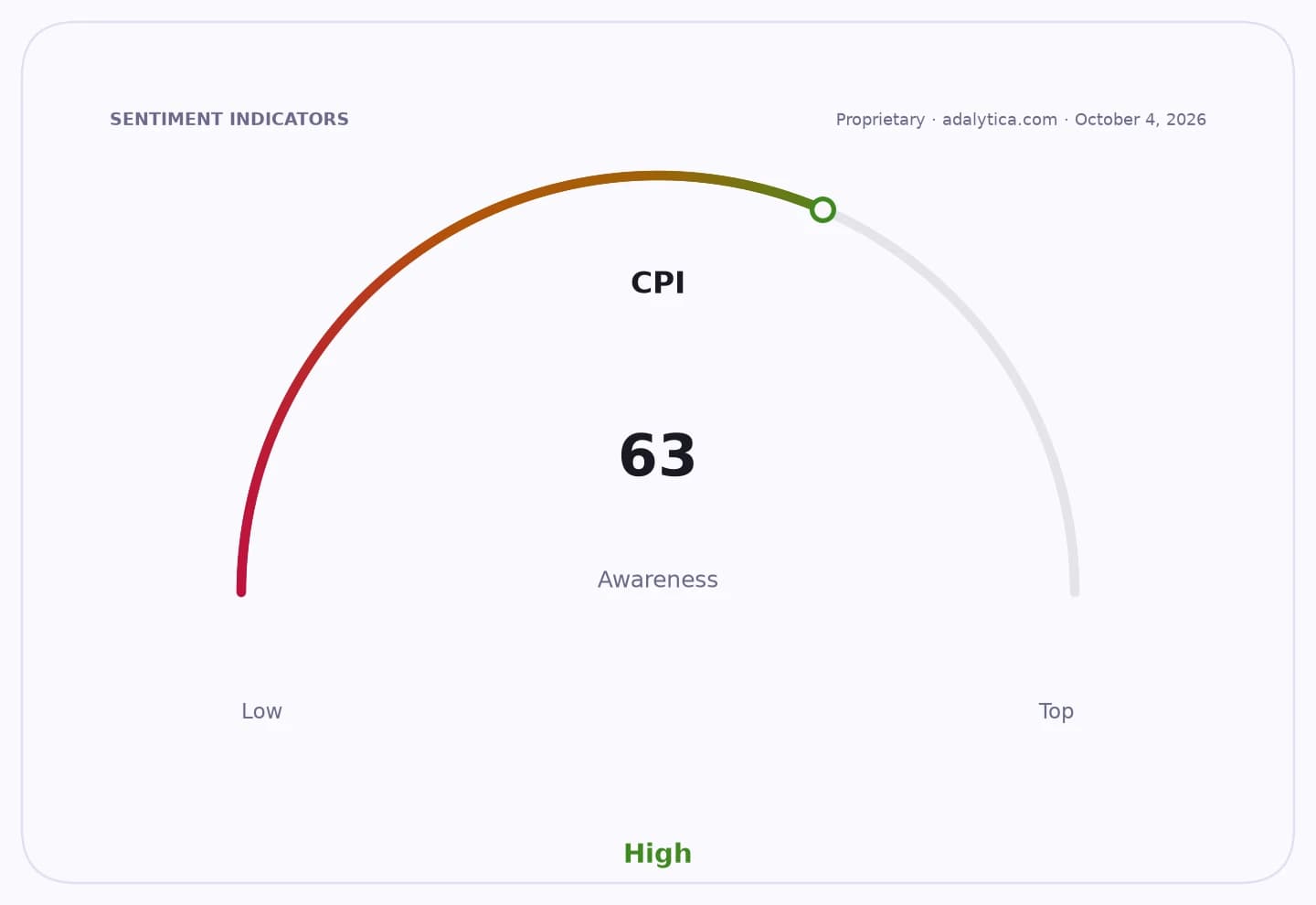
Sentiment IndicatorsⓘProprietary · adalytica.com · October 3, 2026
This is a snapshot — live sentiment, awareness and momentum for 130+ markets update continuously in the dashboard.Open AlphaPulse
The meeting is the latest sign that Caracas wants to move beyond ad hoc outreach and toward a more formal investment pitch. According to the report, the talks were meant to review current economic policies and adapt development models to market needs, with BID Invest signaling willingness to back productive projects for Venezuelan businesses. For investors, that is important not because it changes Venezuela overnight, but because it suggests a path toward incremental normalization after years of isolation.
The economic logic is straightforward. Venezuela needs more than speeches about growth; it needs financing, technology and confidence that capital can move in and out without getting trapped. If multilateral institutions begin to re-engage more meaningfully, even in limited form, that could lower financing costs, support working capital and help revive supply chains for domestic producers. In a country where access to hard currency and credit has been severely constrained, those are not small gains.
There is also a broader market angle. Any sign of closer ties with the BID and its private investment arm may be watched by companies already exposed to Venezuela’s energy and industrial base, as well as by regional lenders and suppliers weighing whether the country is becoming more investable. The message to markets is that Caracas wants to present itself as open for business, not merely relying on state management and domestic controls.
Still, investors should keep expectations grounded. Venezuela has made similar overtures before, and the gap between a working table and actual financing can be wide. Political risk remains high, monetary instability is still a drag, and foreign capital will want clearer rules before it commits in size. But if this dialogue leads to even modest project financing, it could support a slow rebuild of productive capacity.
For long-term investors, the key takeaway is simple: Venezuela is trying to stitch itself back into regional financial channels, and that is worth watching. In markets, access to capital is often the first step toward a durable recovery, and even small institutional bridges can matter when an economy has been cut off for years.
| Entity | Gains | Losses |
|---|---|---|
| Venezuelan government | ▲More credibility on investment outreach | ▼Pressure to deliver reforms |
| Private businesses | ▲Potential funding and project support | ▼Continued policy uncertainty |
| BID / BID Invest | ▲New engagement channel | ▼Reputational and political risk |
| Investors | ▲Possible recovery optionality | ▼High execution and country risk |