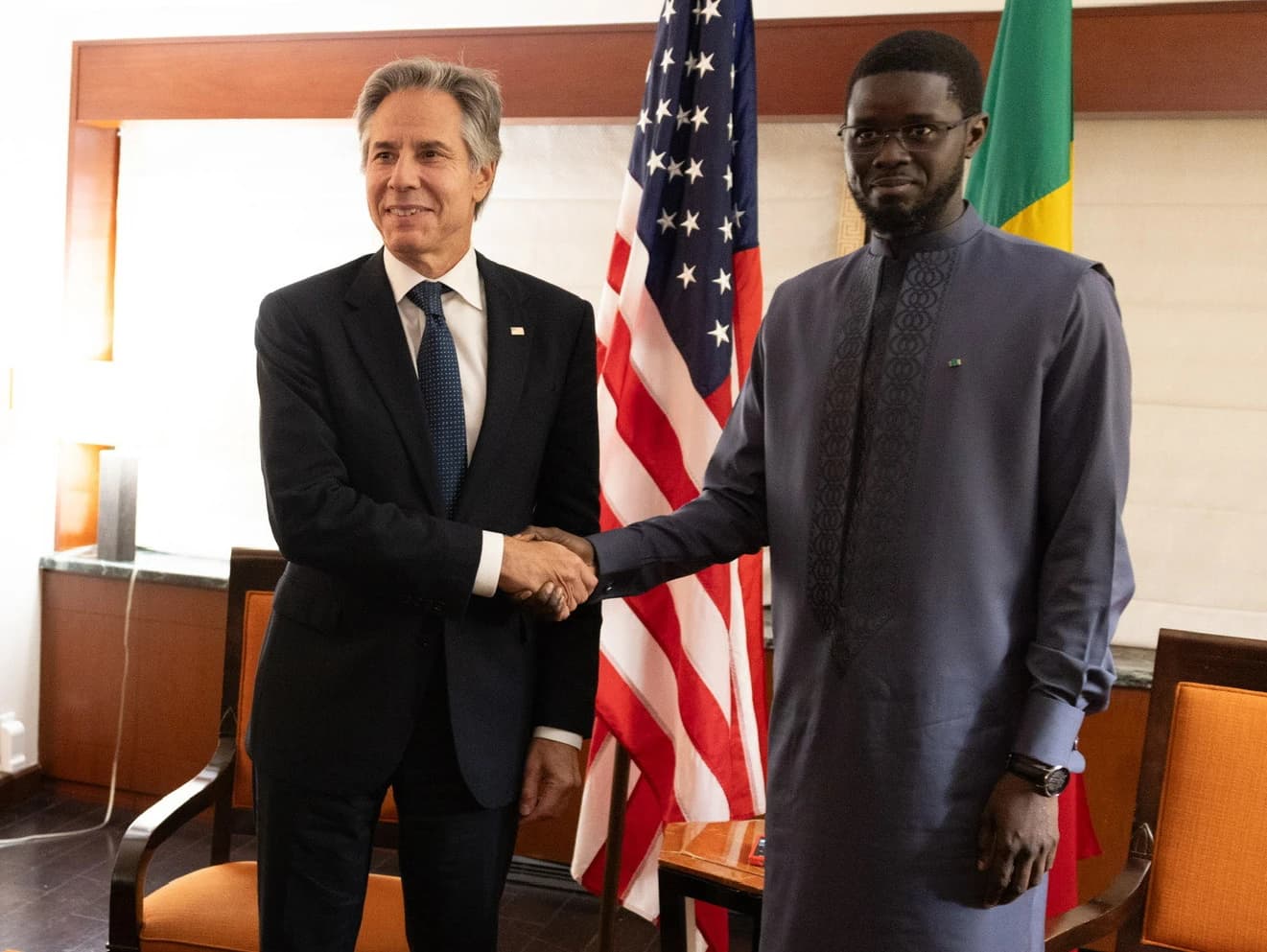
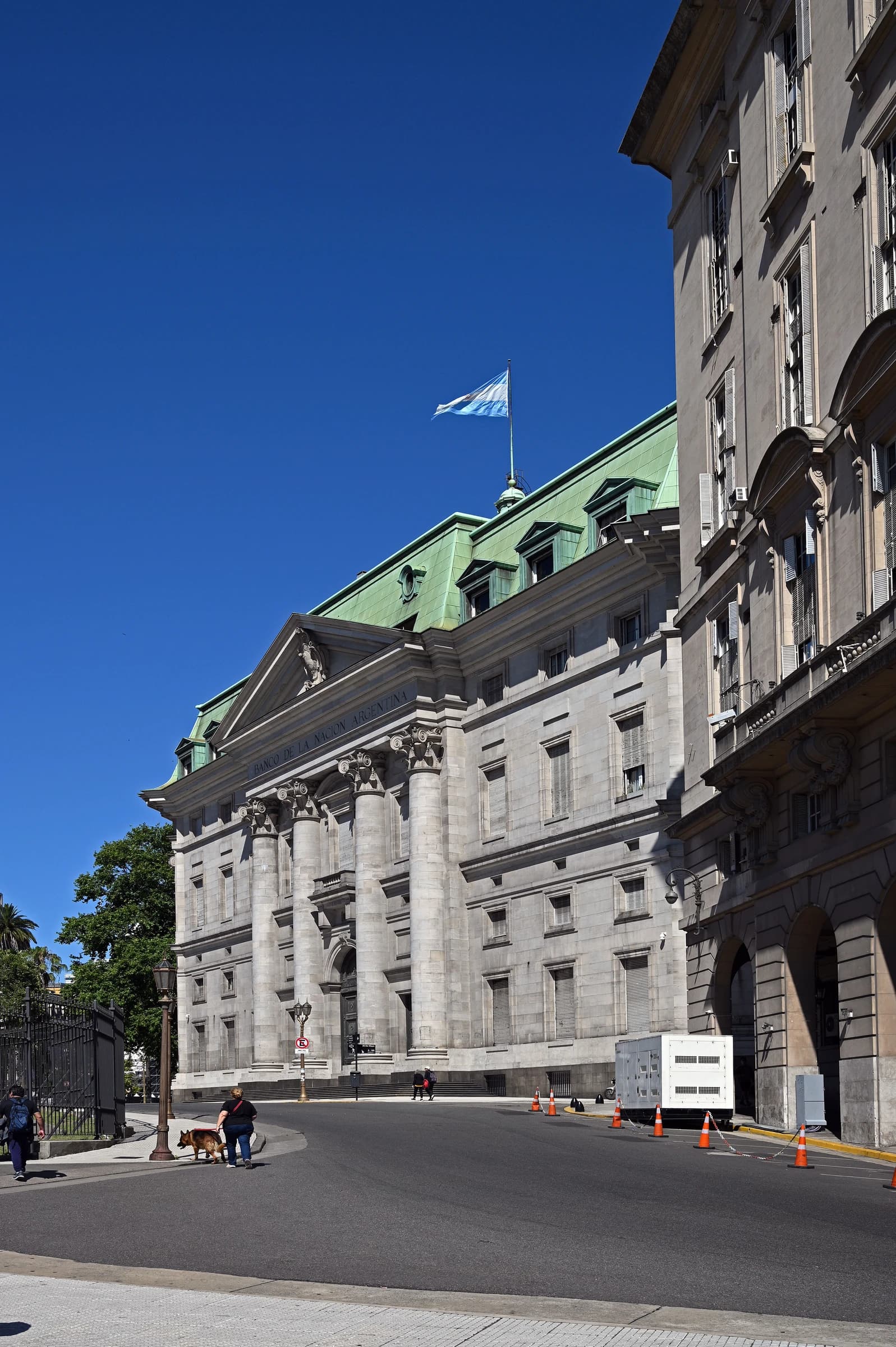
The International Monetary Fund has approved a $1.9 billion, 36-month financing package for Bolivia, giving the cash-strapped government immediate access to about $214 million and a lifeline to steady reserves, the currency regime and public finances.
Bolivia IMF Approves $1.9 Billion Financing Package
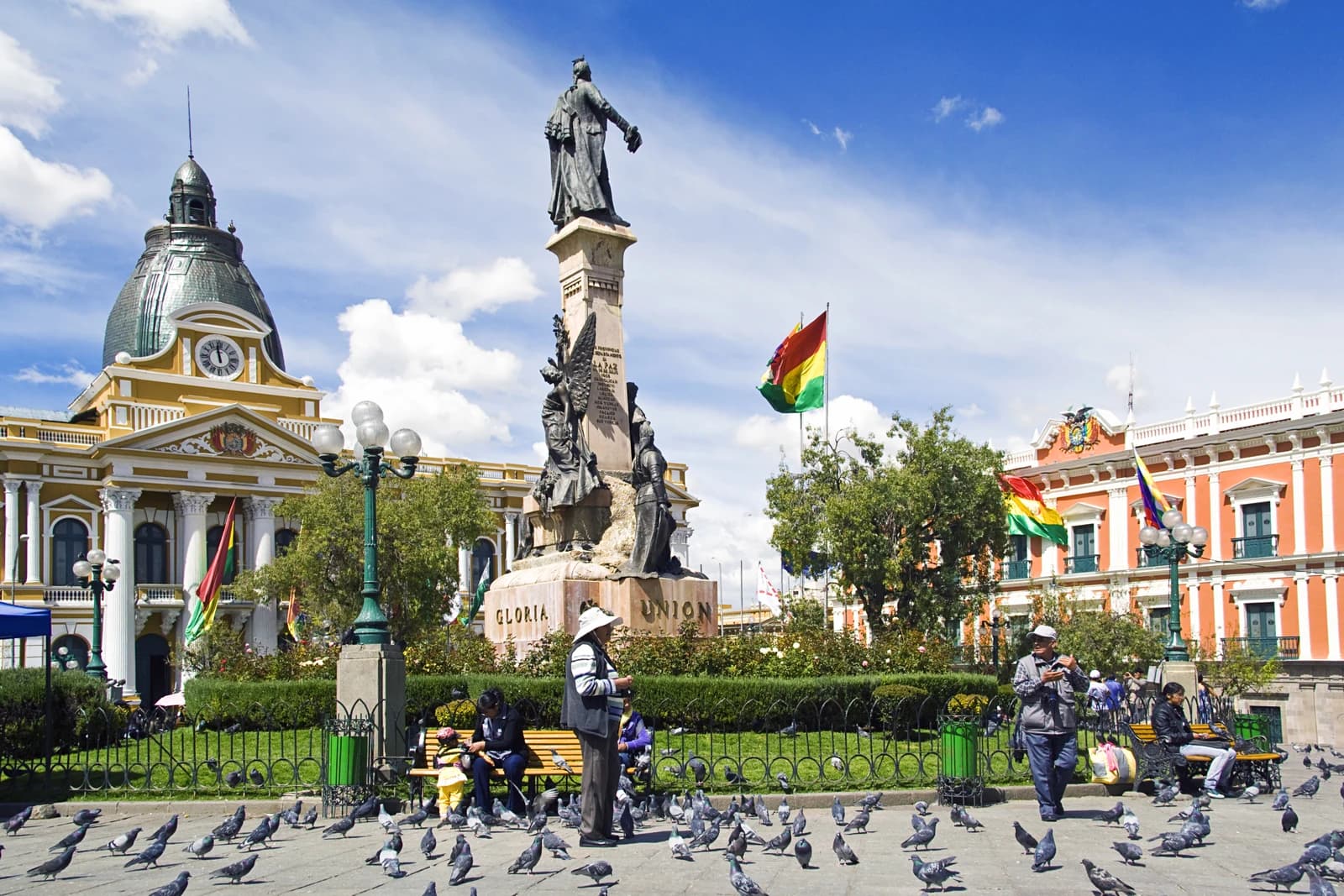
That matters because Bolivia is not simply getting cheap funding — it is getting a policy anchor at a moment when external buffers are thin and investor confidence is fragile. The Extended Credit Facility is designed to restore macroeconomic stability, rebuild international reserves, reduce fiscal and external vulnerabilities and lay the groundwork for private-sector-led growth, a framework that usually comes only when a country’s financing options have narrowed sharply.
Sentiment IndicatorsⓘProprietary · adalytica.com · October 3, 2026
This is a snapshot — live sentiment, awareness and momentum for 130+ markets update continuously in the dashboard.Open AlphaPulse
For investors, the headline is less about the size of the package than the conditions it signals. IMF support can help prevent a disorderly balance-of-payments squeeze, but it also typically comes with tougher budget discipline, exchange-rate flexibility, monetary reform and tighter oversight of financial institutions. In other words, the rescue reduces near-term default and liquidity risk, while raising the odds of slower, more disciplined economic management in the medium term.
The fund said the program aims to put public debt on a sustainable downward path, protect vulnerable households and strengthen governance and transparency to improve the business climate. That is the kind of institutional reset that can eventually unlock foreign capital, but only if policymakers follow through on reforms that markets have long doubted Bolivia would make.
The immediate economic significance is clear: the IMF arrangement buys time. Bolivia needs that time to stabilize reserves, shore up its banking system and avoid deeper pressure on domestic demand. The political significance is just as important. An IMF program is often a last-resort signal that the government recognizes the need to adjust before financing stress becomes a broader crisis.
For global investors, Bolivia is not a top-tier market-moving story on its own. But it is part of a larger Latin American pattern in which governments under fiscal strain are being forced back toward multilateral lenders. That tends to support select opportunities in sovereign debt, frontier-market funds and regional financial assets, while underscoring the risks for countries that delay reform.
The key question now is execution. If Bolivia uses the program to rebuild credibility and attract private investment, the market may eventually reward local assets and reduce the country risk premium. If reforms stall, the IMF money will only postpone a bigger adjustment.
| Entity | Gains | Losses |
|---|---|---|
| Bolivia government | ▲Near-term funding relief | ▼Policy flexibility |
| IMF | ▲Influence over reforms | ▼None if program stalls |
| Foreign investors | ▲Better stability outlook | ▼Near-term uncertainty |
| Bolivian households | ▲Social protections | ▼Slower adjustment burden |