PDVSA says oil production has climbed to 1.252 million barrels a day, its highest level since 2019, as output in western Venezuela rebounds under new production-sharing deals that could add more barrels and exportable liquids.
PDVSA oil output rises to 1.252 million barrels a day
The milestone matters because Venezuela has spent years trying to reverse a collapse in output, making every incremental gain important for state finances, hard-currency supply and the country’s ability to meet export commitments. A sustained recovery would also strengthen PDVSA’s bargaining position with foreign partners at a time when sanctions, aging infrastructure and capital shortages still constrain operations.
Sentiment Indicators
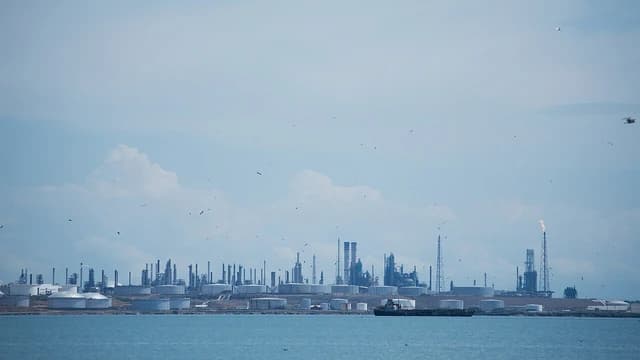
The biggest gains are coming from Zulia state, where PDVSA is using so-called CPPH contracts to bring in private partners. At Petrozamora’s Macoya D84 field, output has risen from about 30,000 barrels a day at the start of the scheme to 115,000 barrels a day, with technicians targeting 120,000 barrels a day by year-end.
In western Venezuela, total production reached 582,500 barrels a day, according to the company. PDVSA Gas says new technology and maintenance have helped lift volumes, while the planned arrival of three compression plants could add another 150,000 barrels a day.
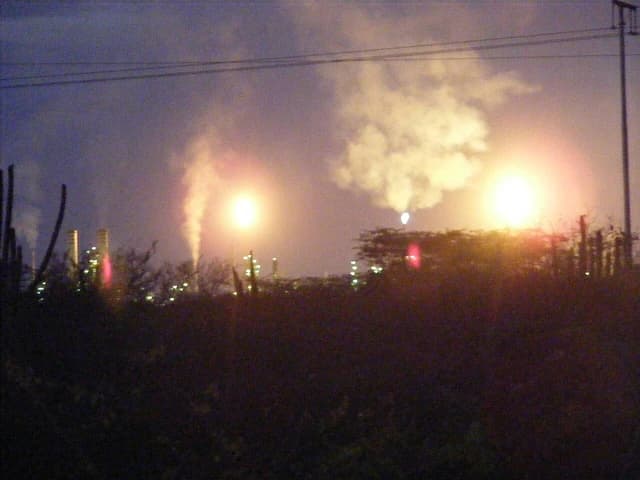
The company is also looking to restart extraction and fractionation units in Zulia and activate five compression units to process associated liquids for export markets. Officials said recovered wells in the area contain potential liquid yields of 3 to 5 gallons per thousand cubic feet of gas, suggesting room to monetize more of the hydrocarbon stream beyond crude alone.
For investors, the key question is whether the rebound can be sustained and translated into cash flow, not just headline production. Higher output could support Venezuelan exports and improve earnings for service partners and traders exposed to the country, while also feeding supply expectations in a market where WTI recently hovered around $105 a barrel and energy equities have stayed firm.
The next test is execution: whether PDVSA can keep wells online, bring compression capacity into service and convert the Zulia recovery into steady shipments rather than a one-off spike.
| Entity | Gains | Losses |
|---|---|---|
| PDVSA | ▲Higher output, more export revenue | ▼More operational strain if recovery stalls |
| Zulia production partners | ▲New barrels, contract upside | ▼Capital at risk in a fragile operating environment |
| Venezuelan state finances | ▲More hard-currency inflows | ▼Still exposed to sanctions and infrastructure limits |
| Global oil buyers | ▲More supply optionality | ▼Less leverage if Venezuelan barrels tighten market pricing |