Repsol is keeping gas production in Venezuela steady at 580 million cubic feet a day, a level that underscores the Spanish energy group’s role in shoring up supply in a market still short of reliable domestic fuel.
Repsol Keeps Venezuela Gas Output Steady
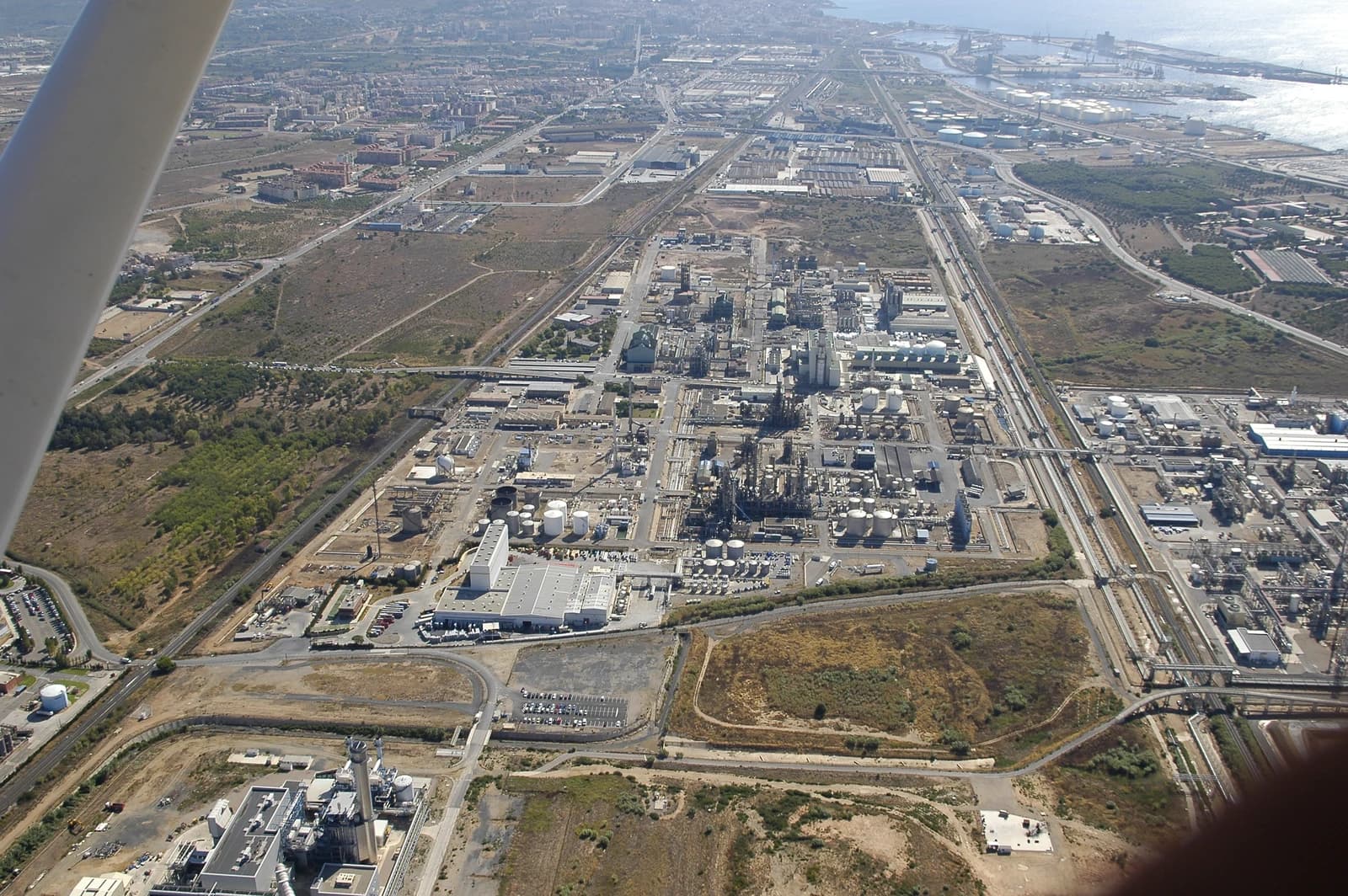
The output, produced in a field Repsol operates with Italy’s Eni, is stable for now, but the company is weighing a second phase that would add new wells and upgrade existing infrastructure. That would lift production to about 645 million cubic feet a day, boosting volumes available to Venezuela’s home market.
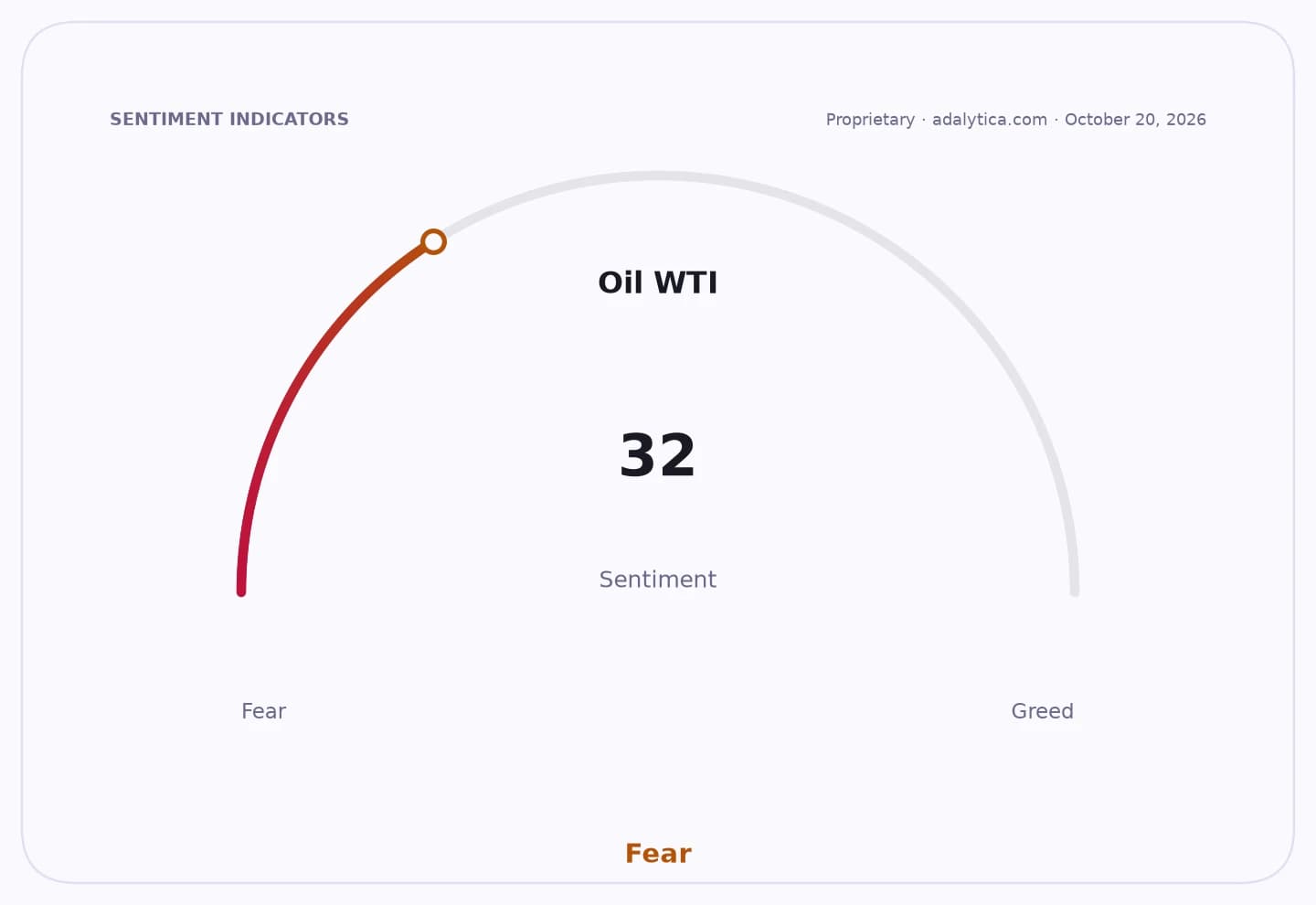
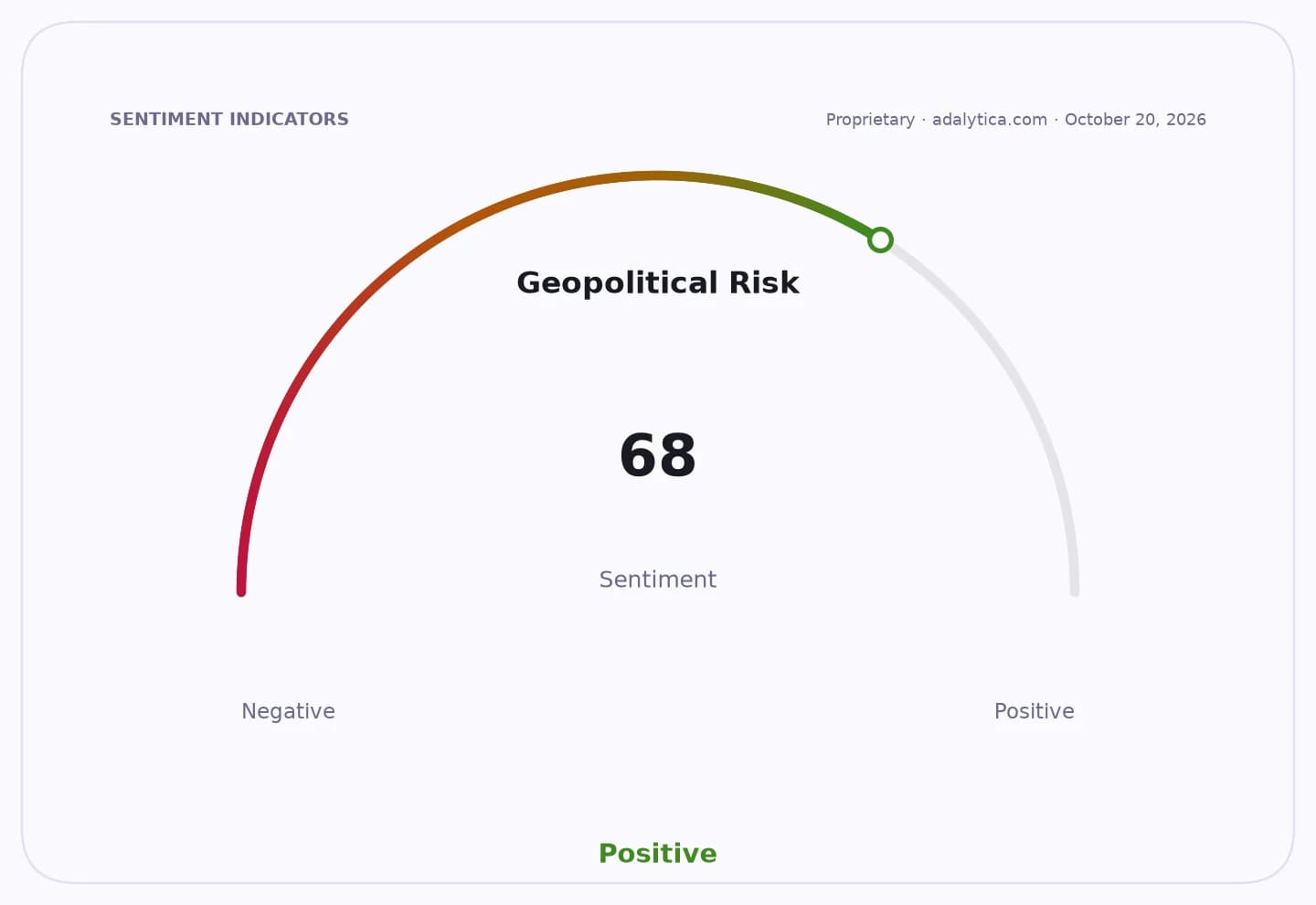
Sentiment IndicatorsⓘProprietary · adalytica.com · October 3, 2026
This is a snapshot — live sentiment, awareness and momentum for 130+ markets update continuously in the dashboard.Open AlphaPulse
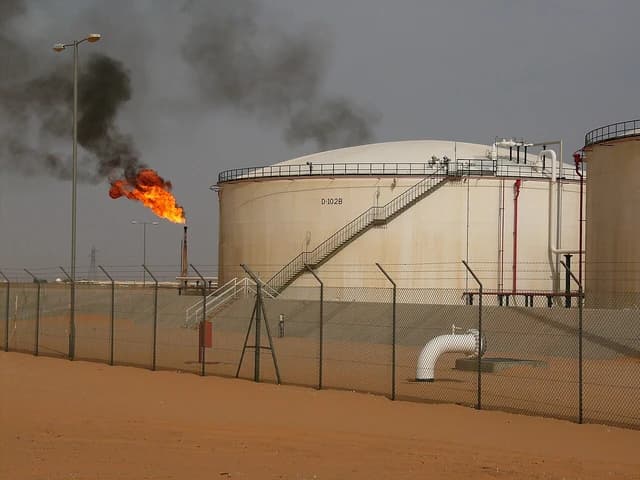
The plan matters because gas supply in Venezuela remains a constraint on the country’s energy system and a drag on broader industrial activity. Higher production would help reduce local shortages, support power generation and improve cash-generating capacity for state oil company Pdvsa and its foreign partners.
For Repsol, the project is part of a broader effort to deepen its foothold in Venezuela through agreements with the government and Pdvsa aimed at increasing oil and gas output. The company is also working on stabilizing output at Cardón IV, lifting production at Petroquiriquire and studying the Horcón oil-and-gas area in Zulia.
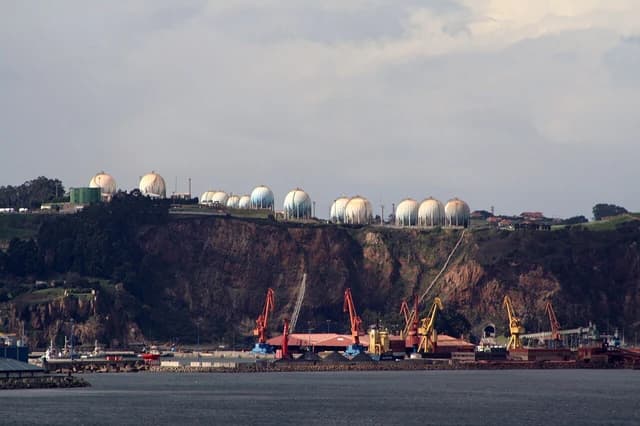
Investors are likely to read the update as a sign that Repsol continues to pursue upstream barrels and cubic feet in politically complicated markets where returns can be attractive if operations hold. The stock has recently traded above its 50-day and 200-day moving averages, suggesting the market has been willing to give the company some credit for production resilience.
The next catalyst is whether Repsol and Eni move ahead with the second phase and secure the infrastructure and regulatory support needed to raise volumes without disrupting current output.
| Entity | Gains | Losses |
|---|---|---|
| Repsol | ▲Higher gas volumes, stronger Venezuela presence | ▼Execution risk, capital spending |
| Eni | ▲Stable partner output, upside from phase two | ▼Exposure to project delays |
| Pdvsa/Venezuela | ▲More domestic gas supply, improved energy balance | ▼Less scarcity-driven leverage |
| Local consumers/industry | ▲Better fuel availability | ▼Potentially higher dependency on foreign operators |